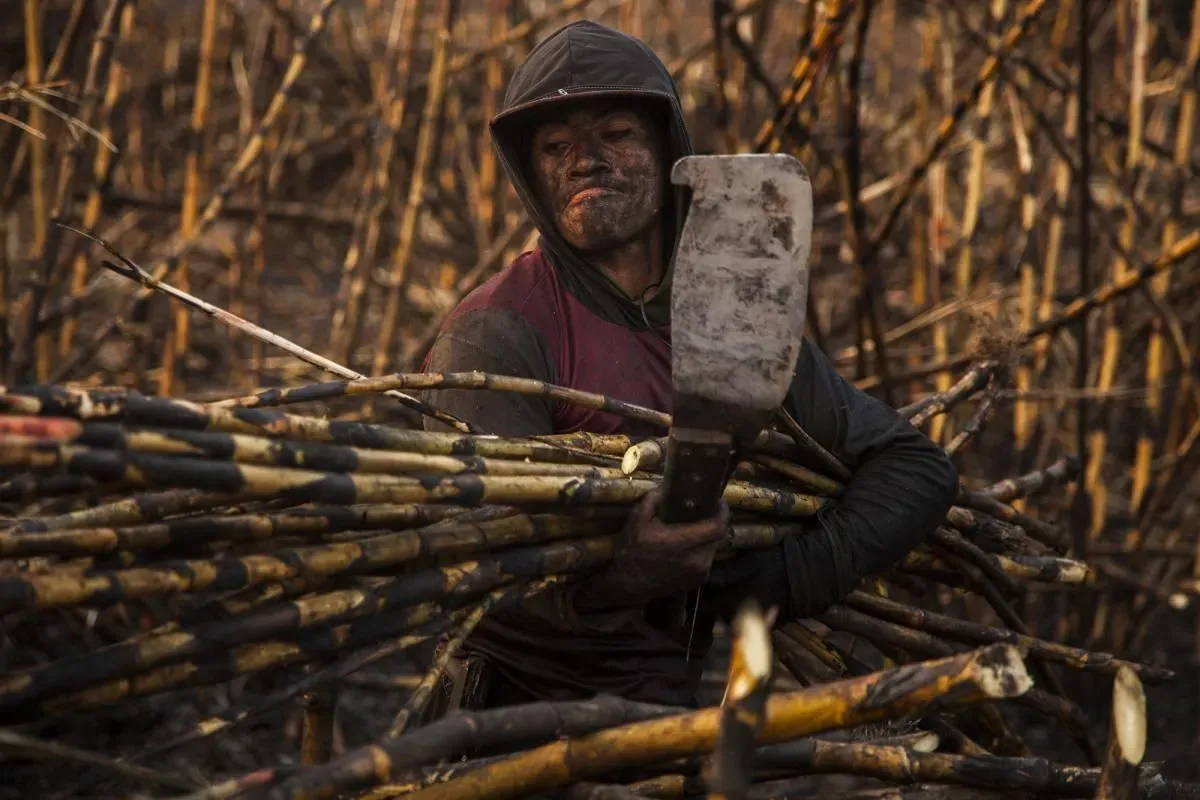
Field research in Guatemala
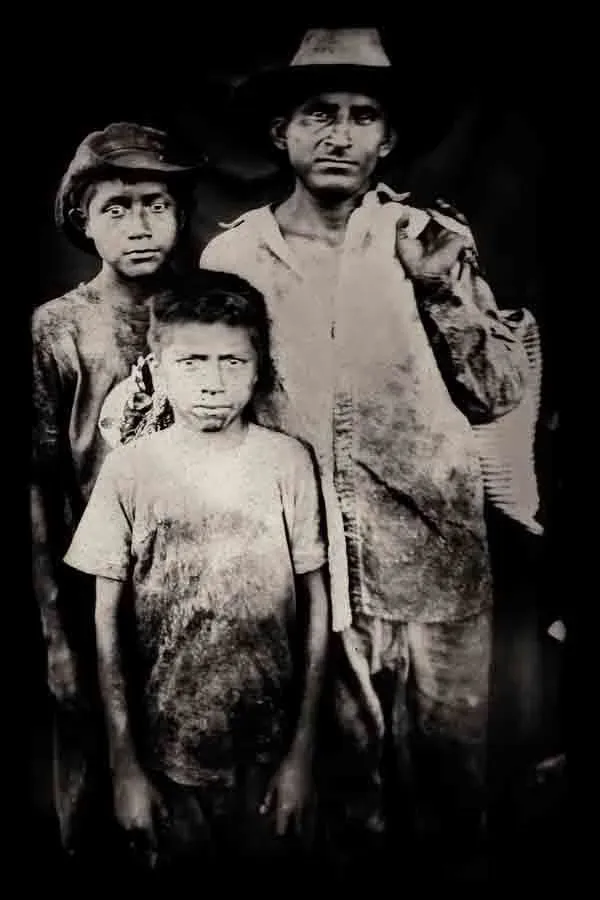
Photo:© El Faro
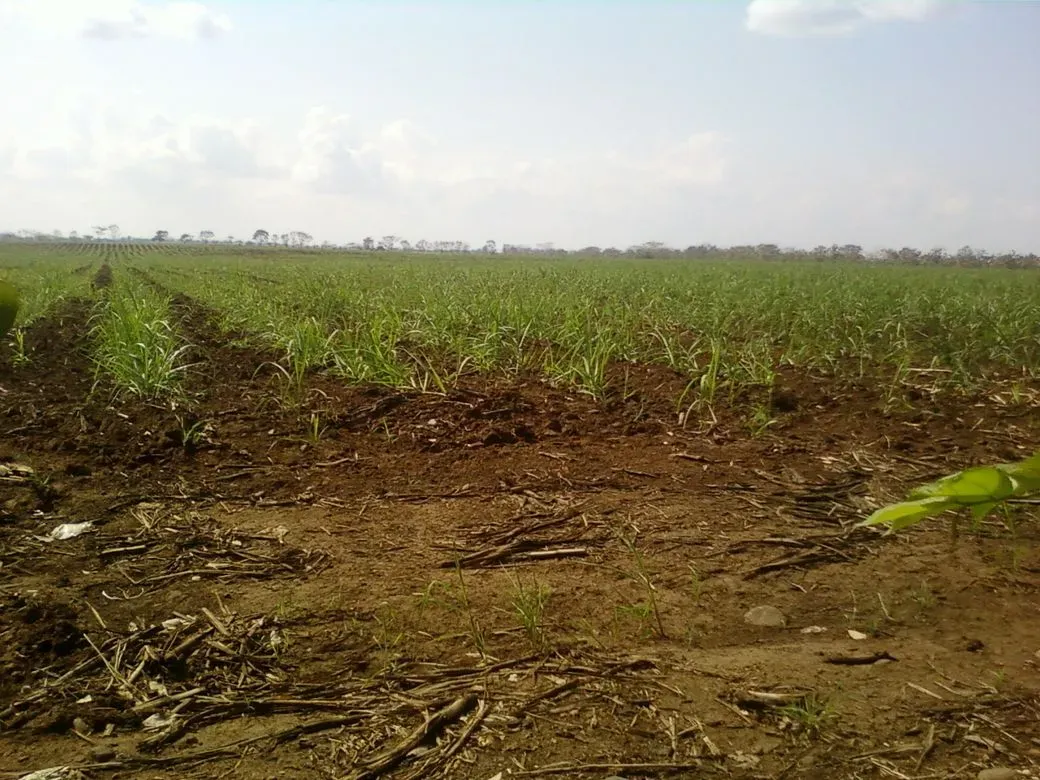
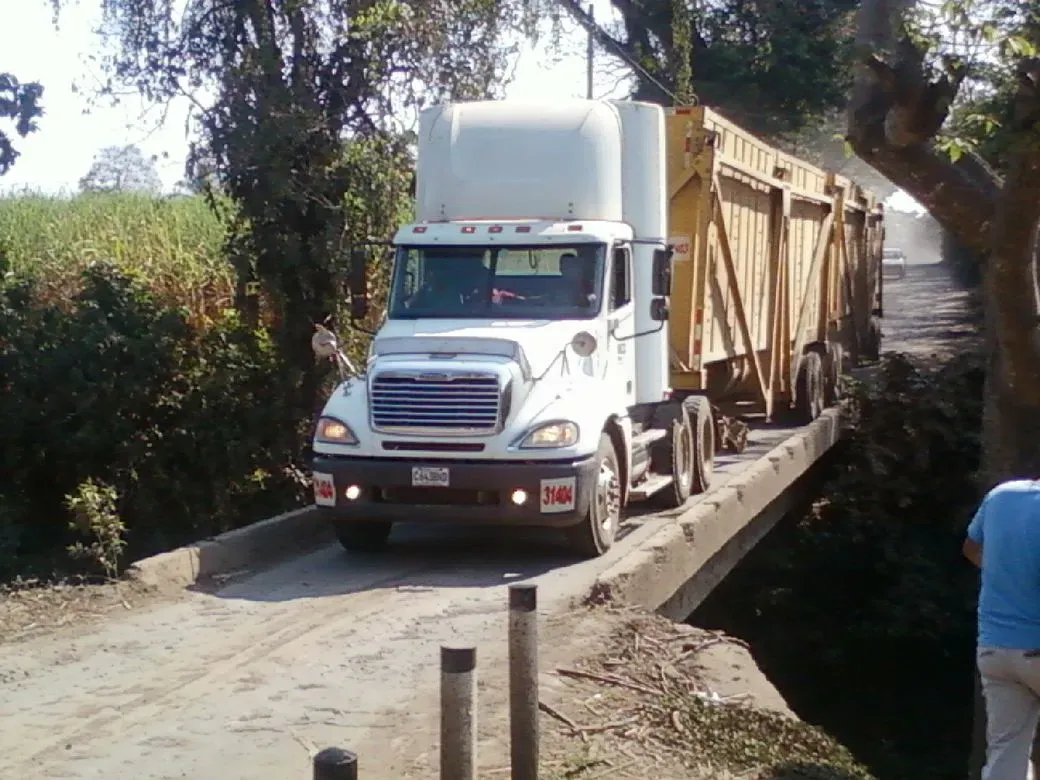
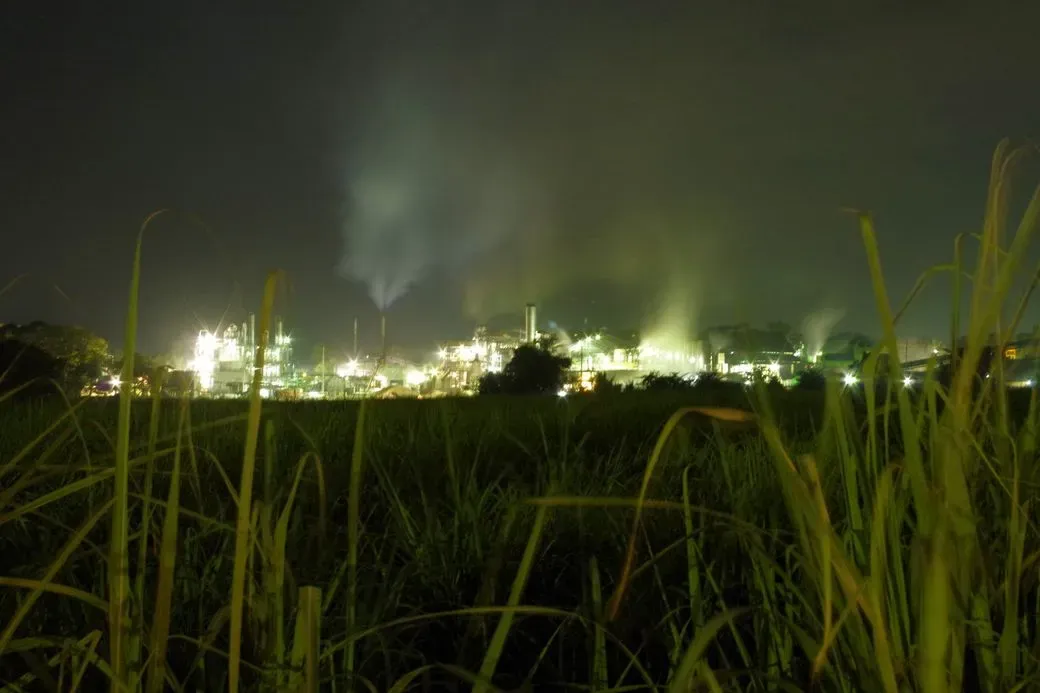
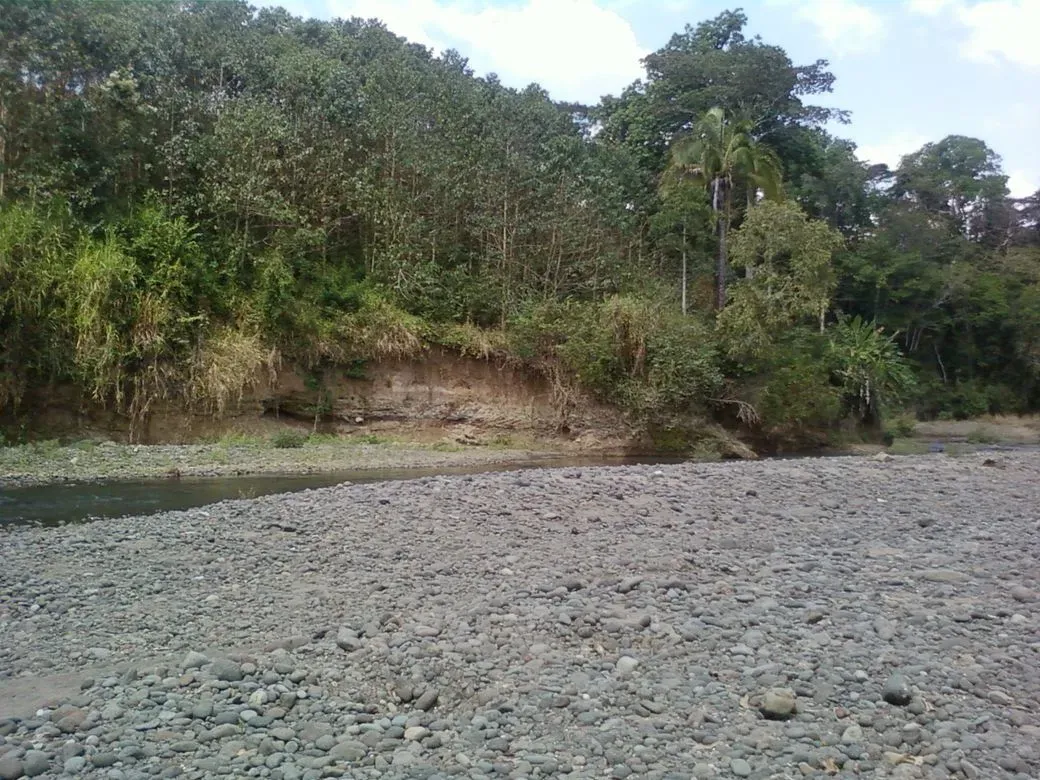
Monocrops for fuel and sugar for food
Publications, editions and compilations
Books
Professional Articles
Expert Opinions
Reports
My research focuses on land rights, environmental & resource justice, as well as Indigenous territorial governance in Guatemala. Selected publications have institutional recognition and are held in library collections of academic institutions in Guatemala, Mexico and the United States:
Permanently archived in the core collection of the Library of Congress, Washington, D.C.
Acquired by major US research libraries for Latin American and Indigenous Studies.(See
Princeton University Library Catalog
and
Indexed globally in the WorldCat registry (OCLC: 859619750).
You can access digital versions hitting the button below.
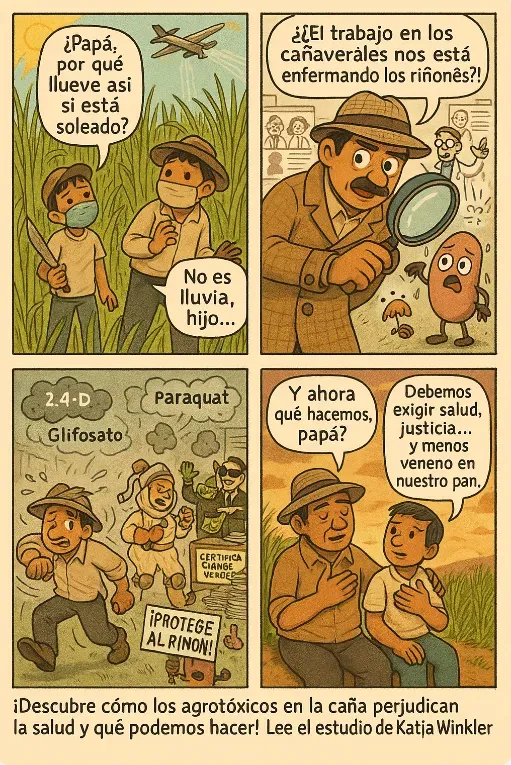
Agrochemicals in large scale sugarcane production
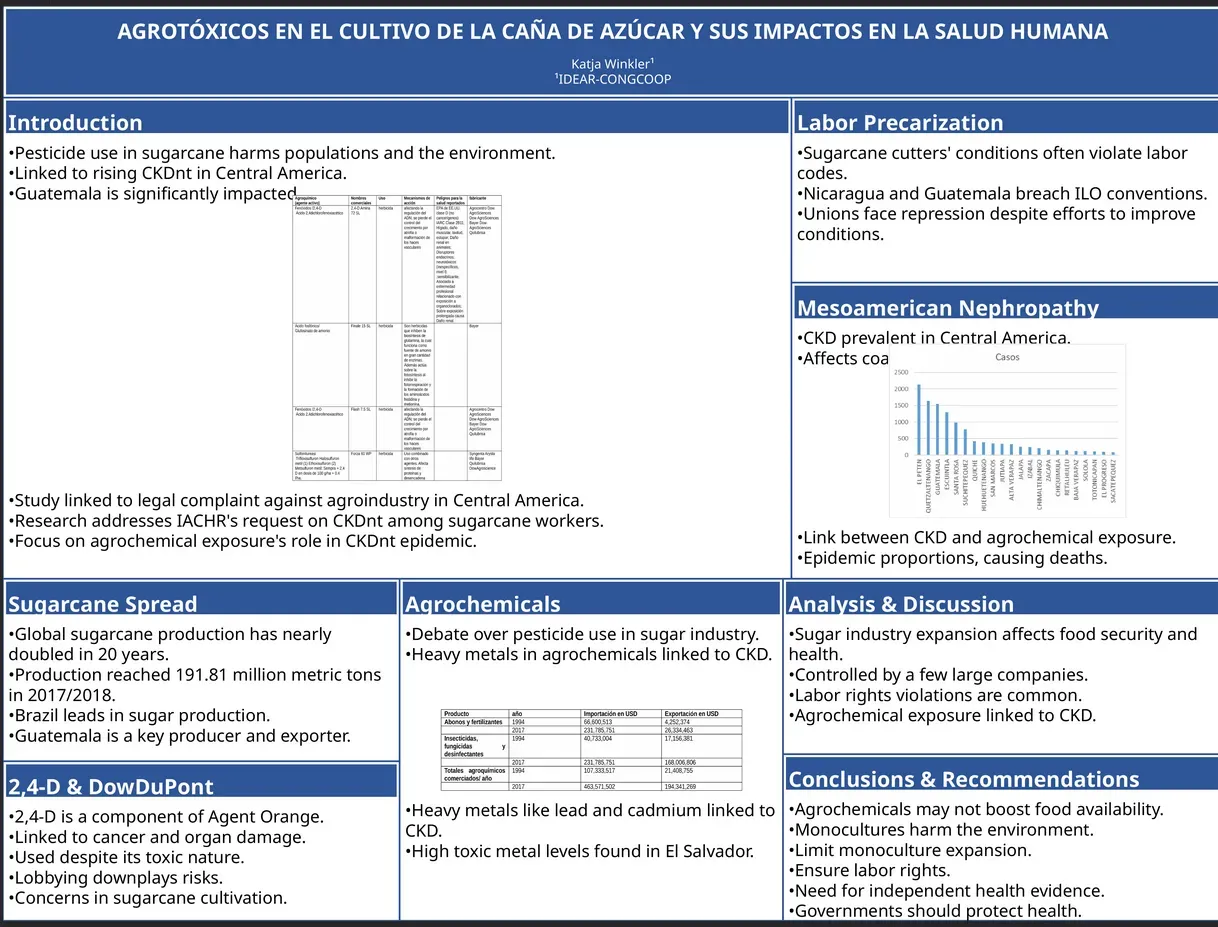
"Agrotóxicos en el cultivo de la caña de azúcar y sus impactos en la salud humana: causas y orígenes de la Nefropatía Mesoamericana en Guatemala" by Katja Winkler
Exploring the link between pesticide use in sugar cane large scale production and the epidemic of kidney diseases in Guatemala. Is cronic exposure to agrochemicals fueling a public health crisis? Learn more about how this affects communities.
#PublicHealth #Agrochemicals #NefropatiaMesoamericana
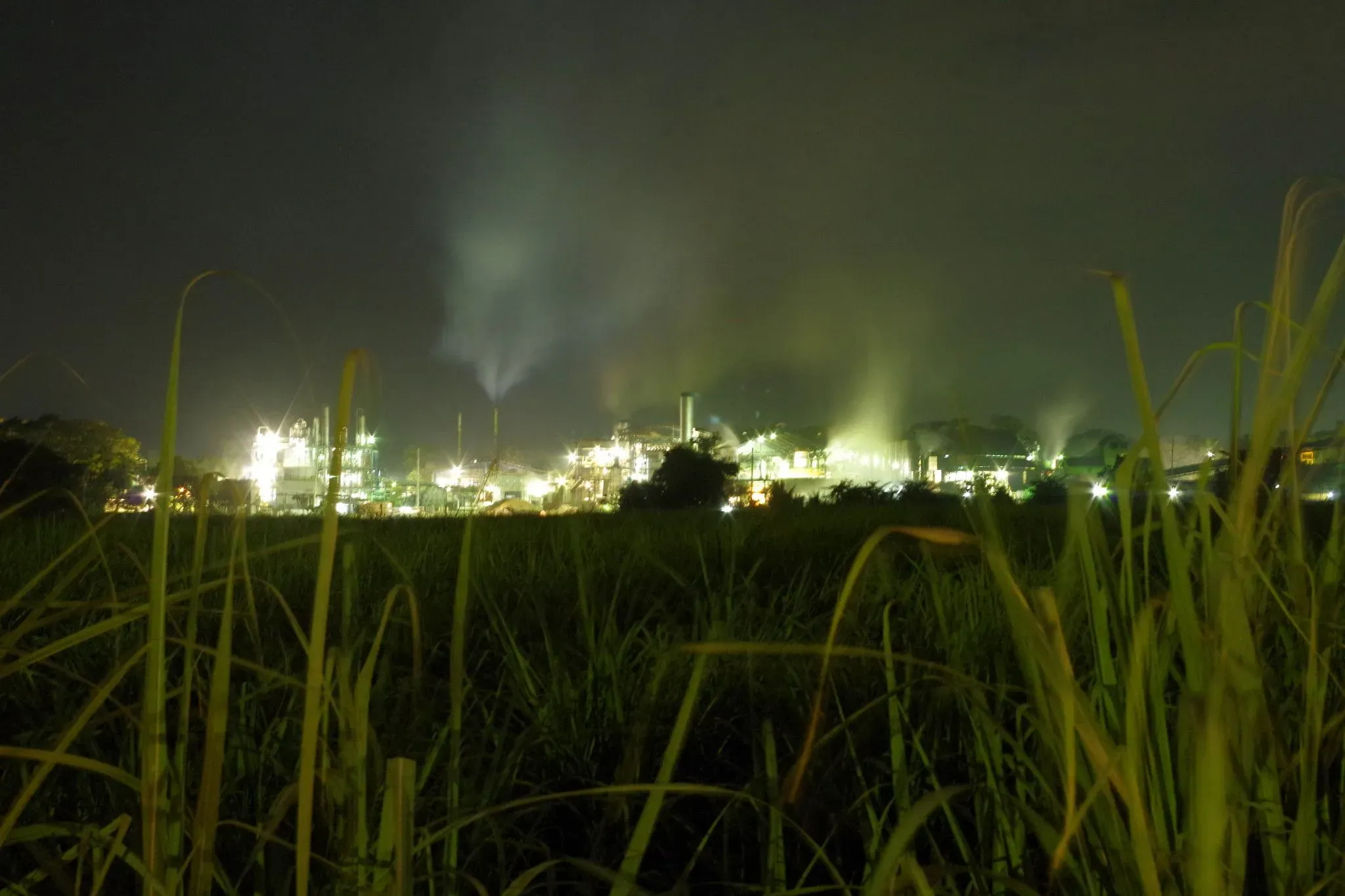
Agrochemicals in Sugarcane Production and Their Impacts on Human Health
"Agrotóxicos en el Cultivo de la Caña de Azúcar y Sus Impactos en la Salud Humana: Causas y Orígenes de la Nefropatía Mesoamericana en Guatemala" by Katja Winkler / Photo: ©Katja Winkler
This in-depth working paper from IDEAR-CONGCOOP (circa 2018) investigates the escalating use of agrochemicals (pesticides and herbicides) in Guatemala's expansive sugar cane monocultures—the world's third-largest producer—and their direct links to chronic kidney disease of non-traditional causes (CKDnT), known as Mesoamerican Nephropathy. Drawing on interviews with affected workers, medical personnel, and officials (2017–2018), alongside extensive documentary review, Winkler exposes how industrial practices exacerbate public health crises, labor violations, and environmental harm amid weak regulations and corporate lobbying.
Core Arguments and Findings
Agrarian Context and Labor Precarization: Guatemala's sugar cane sector has tripled production since the 2008 crisis, driving land grabs for agro-exports like biofuels and bioplastics. This has displaced small farmers, diversified rural incomes (heavily reliant on remittances), and worsened labor conditions—long hours without protection, union suppression, and rights abuses echoing historical violations in the industry.
CKDnT as Epidemic Health Crisis: The paper details the surge in non-traditional chronic kidney diseases, affecting agricultural workers (mostly men, but increasingly women) in hot, low-altitude regions. Prevalence has reached epidemic levels, with estimates of thousands of deaths; causes include dehydration, but Winkler emphasizes continuous exposure to agrotoxics without protective gear, leading to symptoms like deteriorated reflexes and renal failure.
Agrotoxics and Corporate Influence: Focuses on key pesticides like glyphosate (in Monsanto's Roundup) and 2,4-D (DowDuPont's Agent Orange component), banned or restricted elsewhere but imported in rising volumes to Central America (e.g., Guatemala's imports tripled from 1994–2017). Aerial spraying contaminates communities, rivers, and air; studies link these to kidney damage, cancer risks, and ozone depletion, yet corporate lobbying (e.g., over $34 million by Dow) downplays health impacts and blocks international regulations like the Rotterdam Convention.
Regulations and Gaps: Critiques inadequate international (e.g., Montreal Protocol, Basel Convention) and national frameworks in Guatemala, which lack enforcement on pesticide limits or worker protections. Calls for blacklists, independent monitoring, and human-rights-based reforms to prioritize health over profits.
Analysis and Recommendations: While acknowledging multifactorial causes, Winkler argues for a causal link between agrotoxics and CKDnT, urging independent research, better labor conditions, reduced pesticide use, and accountability for agro giants. Concludes that these chemicals do not boost food security but endanger workers and ecosystems.
Why It's Key
Amid ongoing debates on "multifactorial" vs. pesticide-driven causes of CKDnT, this paper stands out for its activist lens, tying health data to socio-economic critiques and real testimonies. Prepared for a 2017 CIDH hearing on agroindustry abuses in Central America, it amplifies calls for justice in a region plagued by exploitation. Though from 2018, its warnings resonate with current climate and health challenges in Latin American agriculture. For full text, reference pages 1–57.
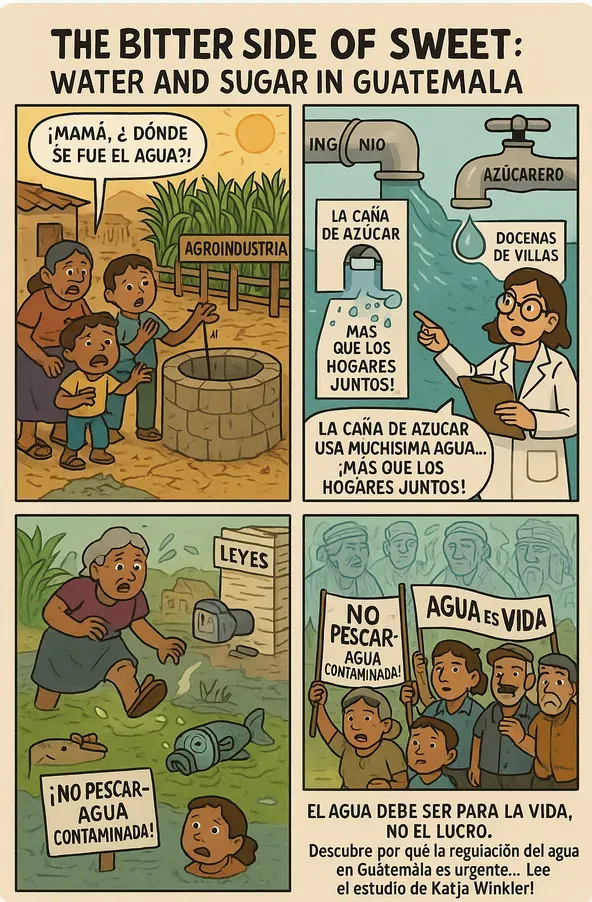
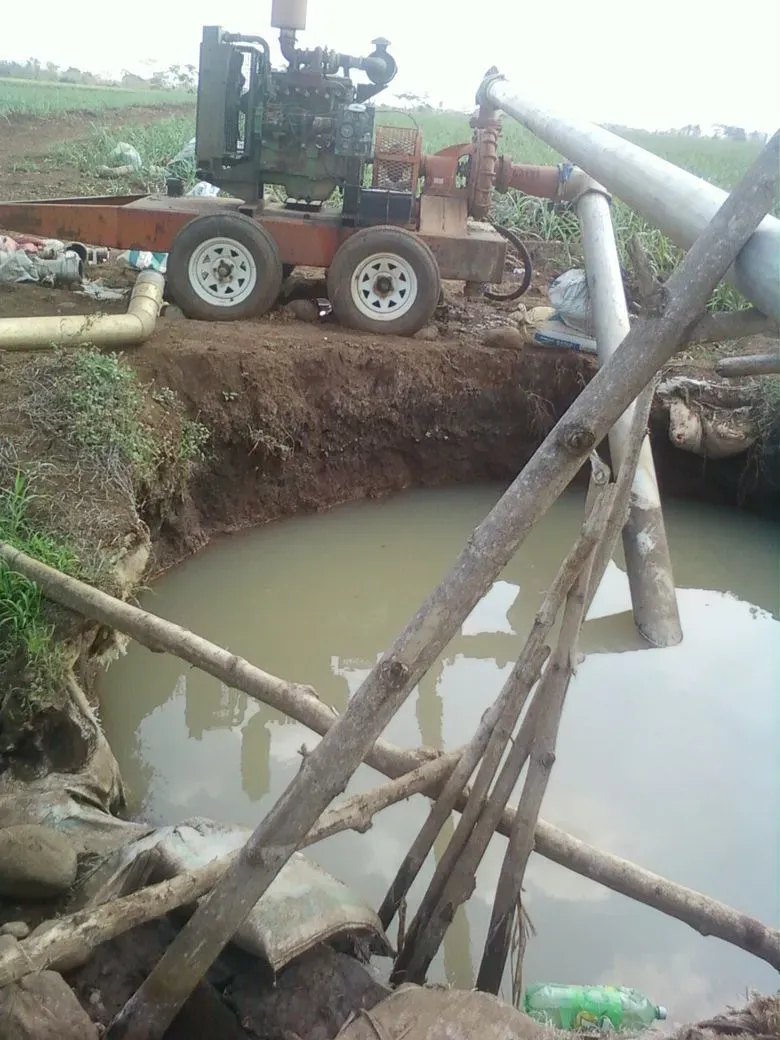
Water use by the sugarcane agroindustry in Guatemala
"Uso del agua por la agroindustria de la caña de azúcar en Guatemala" by Katja Winkler
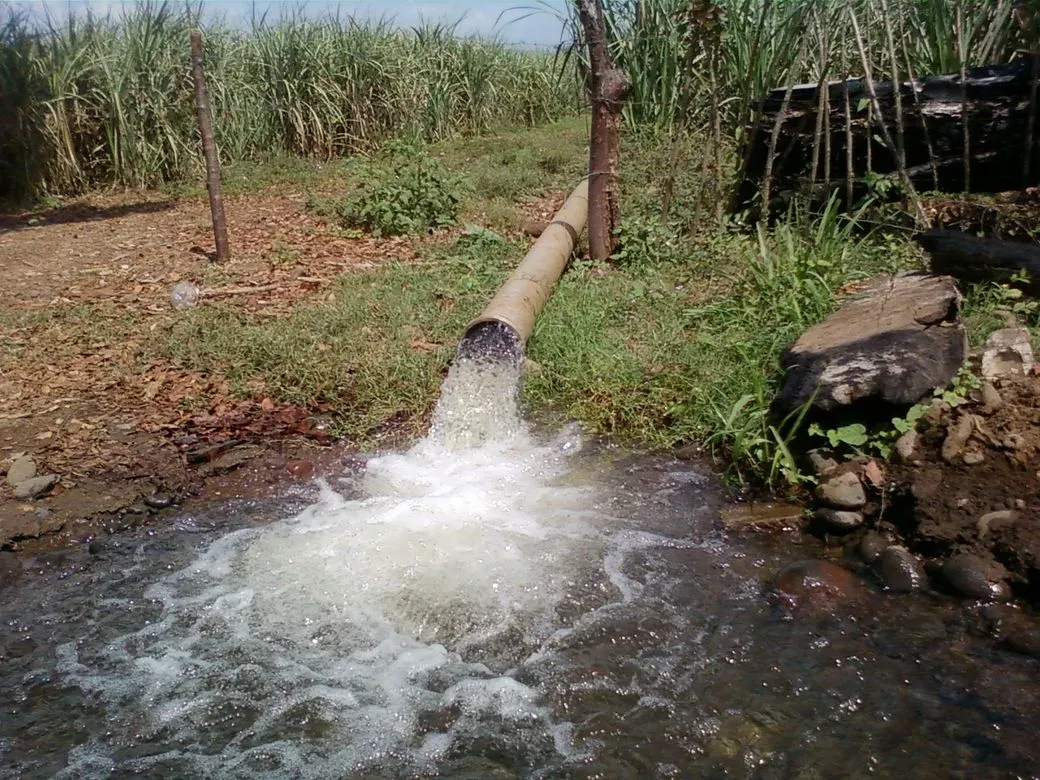
🔥 Must-read from 2016 still hits hard: “Uso del agua por la agroindustria de la caña de azúcar en Guatemala” by Katja Winkler reveals how sugar cane plantations in Guatemala devour billions of liters of water and poison rivers with toxic vinasse — while communities go thirsty. One hectare = up to 20,000 m³ per cycle. That’s not “green gold,” that’s water theft.
Dedicated to water defender Rigoberto Lima Choc.
#WaterJustice #Guatemala #SugarCane #TerritoriosXI
Start building today!
Water use by the sugarcane agroindustry in Guatemala
"Uso del agua por la agroindustria de la caña de azúcar en Guatemala" by Katja Winkler
This standout article from Territorios XI (2016), published by Guatemala's CONGCOOP and IDEAR, provides a critical examination of the sugarcane agroindustry's outsized and unsustainable water footprint in Guatemala. Authored by researcher Katja Winkler, it draws on field data, environmental reports, and policy analysis to expose how large-scale monoculture plantations and mills dominate water resources, often at the expense of local communities, ecosystems, and food sovereignty.
Core Arguments and Findings
Massive Water Consumption: Sugarcane is portrayed as a "thirsty" crop, with Guatemala's industry—concentrated in regions like Suchitepéquez and Escuintla—consuming billions of liters annually for irrigation, processing, and cooling. Winkler estimates that a single hectare requires 15,000–20,000 m³ of water per harvest cycle, leading to groundwater depletion and river diversion that starves smallholder farmers and indigenous groups of access.
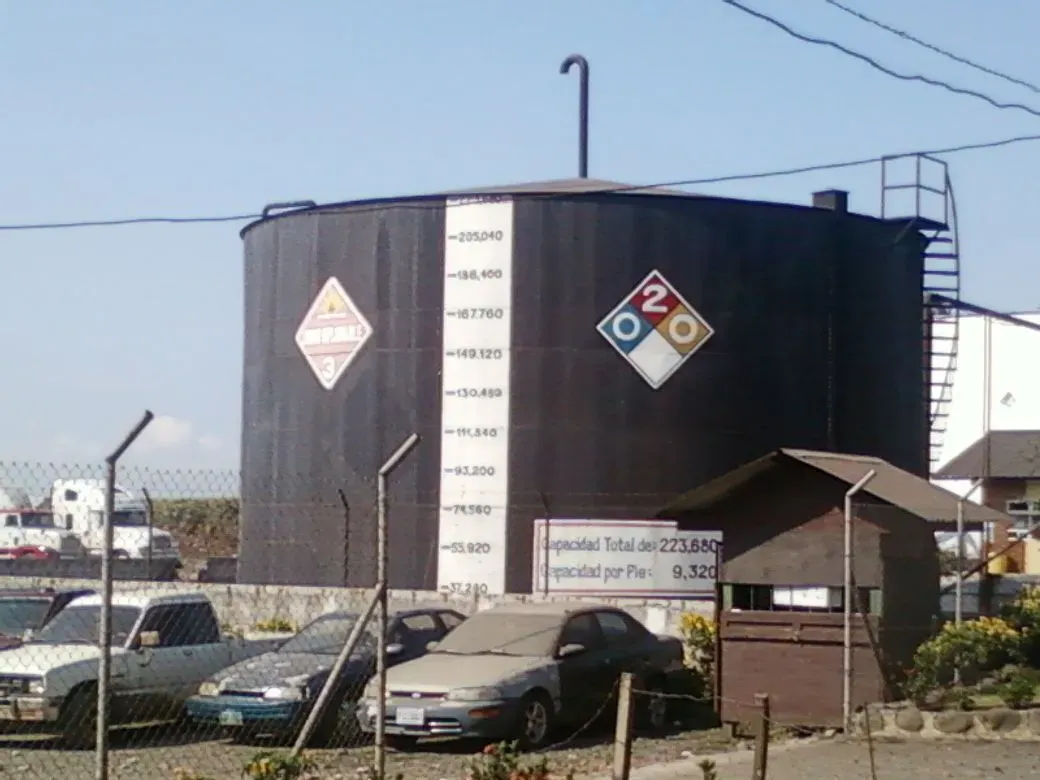
Environmental and Social Impacts: The piece highlights contamination from vinasse (sugarcane waste) discharge into rivers like the Samalá and Coatán, causing eutrophication, fish die-offs, and health risks. It critiques lax enforcement of environmental regulations, noting how agroindustrial giants secure concessions that prioritize export profits over human rights to water, exacerbating inequality in arid southern territories.
Policy Critique and Calls to Action: Winkler advocates for a human-rights-based water framework, referencing Guatemala's stalled Ley de Agua initiative. She contrasts industrial overexploitation with sustainable indigenous practices, urging reforms like participatory basin management and caps on corporate withdrawals to reclaim territories for local use.
Why It's Key
In the broader context of Territorios XI's focus on water as a battleground for territory and dignity—dedicated to water defender Rigoberto Lima Choc—this article stands out for its data-driven urgency. It bridges academic analysis with on-the-ground activism, making a compelling case that sugarcane's "green gold" label masks an ecocidal reality. Though from 2016, its insights remain relevant amid ongoing climate pressures and agroexport booms in Latin America. For the full text, see pages 69–92 of the publication.
Related articles
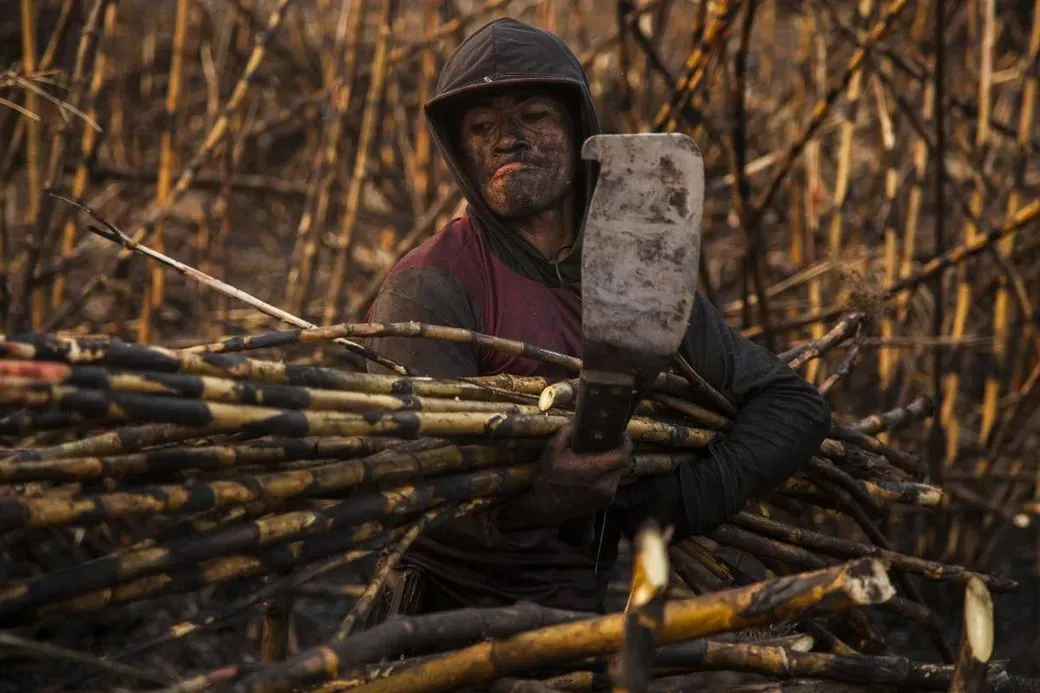
The Guatemalan sugar cartel
Article by Gabriel Labrador, Ximena Villagrán, Raúl Sánchez y Jimmy Alvarado
In Guatemala, 12 sugar mills act as an oligopoly, a cartel with deep political connections whose power is often resented by communities in the countryside, reveals an investigation by El Faro and eldiario.es.

The Guatemalan Sugar Cartel
Article in guatelaman Plaza Publica
Article based on the article by the same name in El Faro (by mentioned authors)