Maximize Consulting Speech-Language Therapy Services

Evaluation
Our adult communication assessment provides a comprehensive look at how an individual expresses and understands language in daily situations. The evaluation explores speaking—clarity, word retrieval, conversational effectiveness, and any motor‑planning challenges that may indicate apraxia of speech; listening, including comprehension of spoken information and ability to follow directions; reading, such as understanding written text, spelling, and oral reading; writing, from basic expression to organizing complex ideas; and gesturing, which includes nonverbal communication like facial expressions. Together, these components offer a full picture of communication strengths and needs, guiding personalized therapy recommendations.
The results of this assessment will be used to determine therapy goals.
Therapy
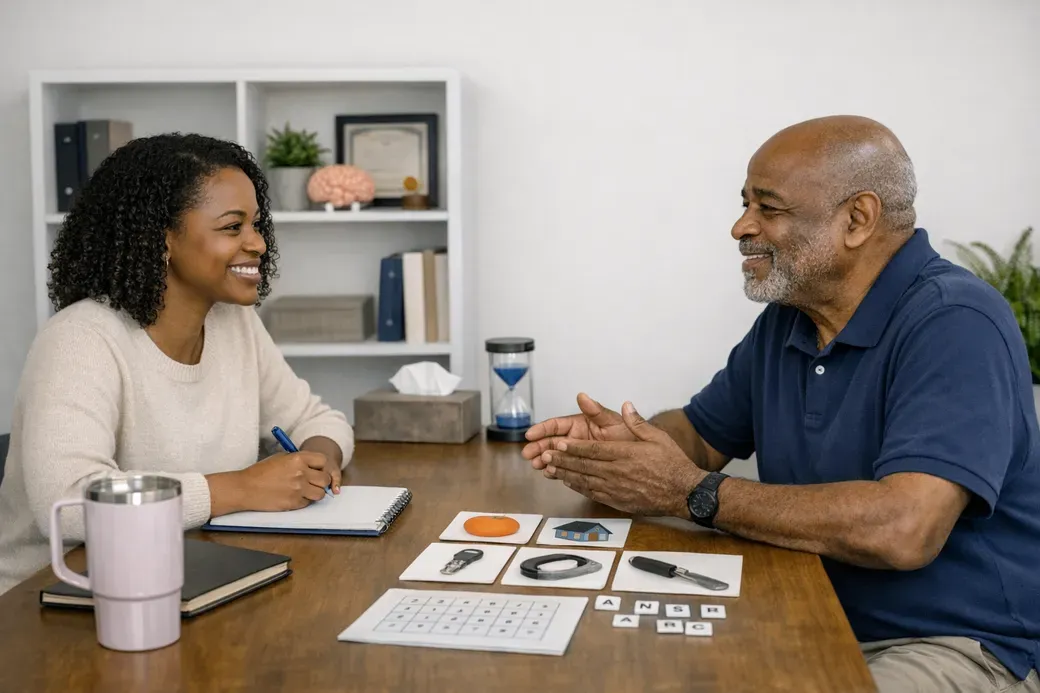
Aphasia therapy focuses on rebuilding a person’s ability to understand and use language after a neurological event such as a stroke. Treatment targets core language components—speaking, listening, reading, and writing—using evidence‑based strategies. Therapy may include word-finding, comprehension, and reading and writing tasks, and personalized activities that help individuals communicate more confidently and independently.
Therapy for apraxia of speech addresses motor planning challenges that make producing sounds, syllables, and words difficult. Treatment emphasizes repetitive, structured practice to improve speech coordination, sequencing, and consistency. Techniques may include multisensory cueing, rhythm and pacing strategies, and gradual progression from simple to more complex speech patterns, helping individuals speak more clearly and with greater ease.
Resources
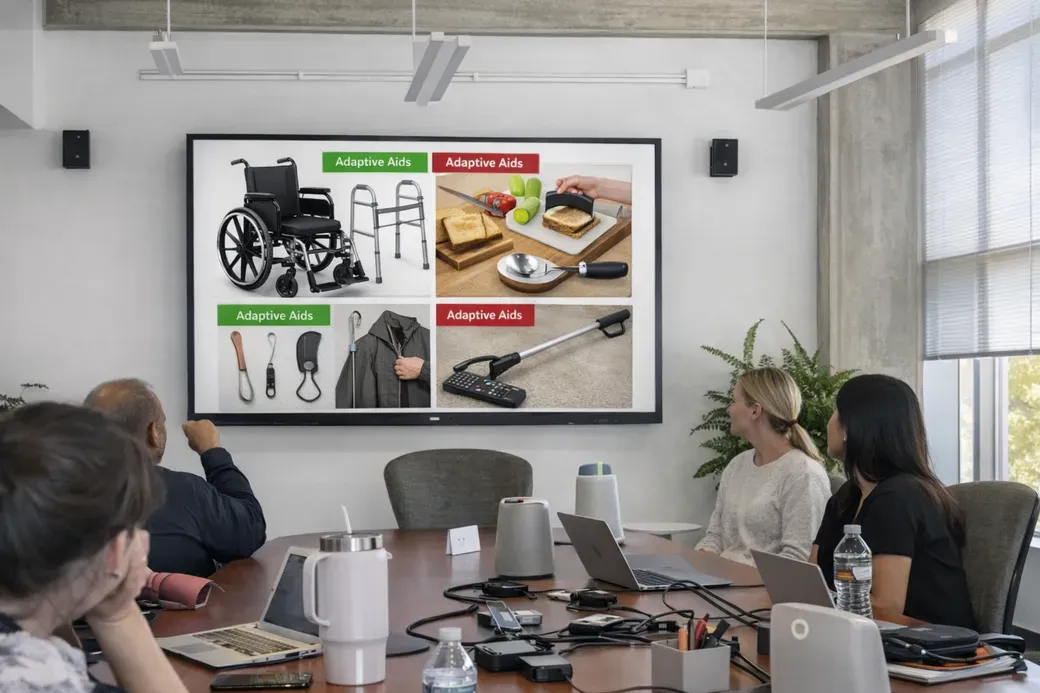
Individuals recovering from stroke benefit from personalized support and opportunities to connect with others who share similar experiences. Because meaningful communication progress depends on real‑time interaction, all therapy sessions are provided one‑on‑one and in person for effective assessment, feedback, and practice. Remote sessions may be offered only in specific circumstances when in‑person attendance is not possible. Clients may also participate in an interdisciplinary stroke support group to practice communication skills in a safe, encouraging environment while gaining strength from shared understanding. Connect with professionals across Occupational Therapy, Physical Therapy, and Speech‑Language Pathology. Together, these resources help build confidence, connection, and meaningful progress.