Mountain Tales & Trails

Explore captivating stories, expert tips, and serene escapes from the heart of the mountains, inspiring your next adventure with Mountain Girl Diary.

How To Plan A Trip: The Ultimate Step-by-Step Travel Guide

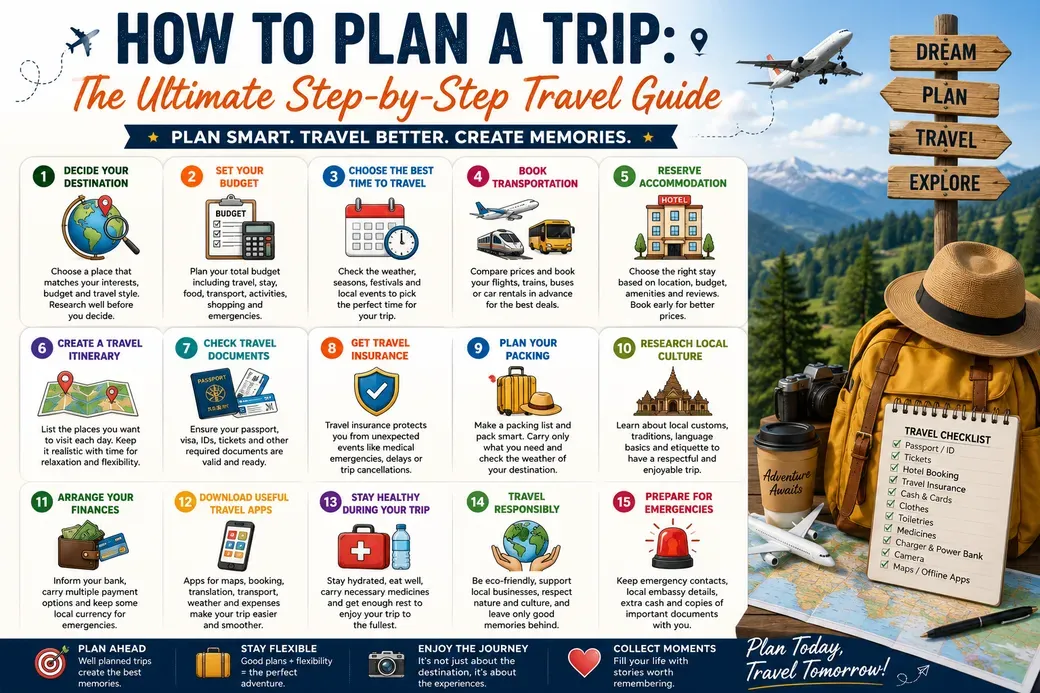
Planning a trip is one of the most exciting parts of traveling, but without proper preparation, it can quickly become overwhelming. From choosing a destination and setting a budget to booking accommodations and packing efficiently, every step contributes to a smooth and enjoyable experience. Learning How To Plan A Trip helps you save money, reduce stress, and make the most of your time away. Whether you're planning a weekend getaway, a family vacation, or an international adventure, a well-organized plan ensures a memorable journey. This ultimate guide explains How To Plan A Trip step by step so you can travel with confidence. Step 1: Decide Your Destination The first step in How To Plan A Trip is choosing where you want to go. Consider your interests, budget, available vacation time, and preferred travel style. Ask yourself: Do you want mountains, beaches, or cities? Are you looking for adventure or relaxation? How far are you willing to travel? What is your overall travel budget? Research different destinations before making your final decision. Step 2: Set Your Budget Creating a realistic budget helps you avoid overspending and plan your expenses wisely. Include costs for: Transportation Accommodation Food Local transportation Sightseeing Shopping Travel insurance Emergency expenses Knowing your budget early makes every other planning decision easier. Step 3: Choose the Best Time to Travel The timing of your trip affects weather, costs, and crowd levels. Before booking, research: Peak tourist seasons Off-season discounts Local festivals Weather conditions School holidays Public holidays Traveling during the shoulder season often provides pleasant weather with fewer crowds and lower prices. Step 4: Book Transportation Once you've chosen your destination and travel dates, book your transportation. Depending on your destination, you may travel by: Airplane Train Bus Car Ferry Compare prices across multiple booking platforms before making your reservation. Booking in advance often provides better rates. Step 5: Reserve Accommodation Accommodation is one of the most important parts of How To Plan A Trip . Choose lodging based on: Budget Location Reviews Safety Amenities Accessibility Options include: Hotels Hostels Guesthouses Resorts Homestays Vacation rentals Booking early gives you more choices and better prices. Step 6: Create a Travel Itinerary Planning your daily schedule helps you make the most of your vacation without feeling rushed. Your itinerary should include: Major attractions Opening hours Travel times Restaurant ideas Shopping areas Relaxation time Avoid overloading your schedule. Leave room for spontaneous discoveries. Step 7: Check Travel Documents Before traveling, ensure all required documents are ready. These may include: Passport Visa Government-issued ID Flight tickets Hotel confirmations Travel insurance Vaccination certificates (if required) Store digital copies securely on your phone or cloud storage. Step 8: Purchase Travel Insurance Travel insurance provides financial protection against unexpected situations. It may cover: Medical emergencies Trip cancellations Lost luggage Flight delays Emergency evacuation Although optional for some trips, travel insurance offers valuable peace of mind. Step 9: Plan Your Packing List Packing efficiently makes your journey much easier. Essential items include: Clothing suitable for the weather Comfortable shoes Toiletries Chargers Power bank Medications Reusable water bottle Sunglasses Travel documents Pack only what you need to avoid carrying unnecessary weight. Step 10: Research Local Culture Understanding local customs enhances your travel experience. Learn about: Cultural etiquette Dress codes Language basics Local traditions Tipping practices Public behavior Respecting local culture creates positive interactions with residents. Step 11: Arrange Your Finances Prepare your finances before departure. Helpful tips include: Inform your bank about your travel plans. Carry multiple payment methods. Keep some emergency cash. Exchange currency if needed. Use secure payment options. Avoid carrying all your money in one place. Step 12: Download Useful Travel Apps Technology can simplify your journey. Helpful apps include those for: Maps Language translation Flight tracking Hotel bookings Expense tracking Weather forecasts Public transportation Offline maps are especially useful when internet access is limited. Step 13: Stay Healthy During Your Trip Good health helps you enjoy every moment of your vacation. Remember to: Stay hydrated. Get enough sleep. Eat balanced meals. Carry basic medications. Wash your hands regularly. Protect yourself from the sun. Simple precautions reduce the risk of illness. Step 14: Travel Responsibly An important part of How To Plan A Trip is minimizing your impact on the environment and supporting local communities. Practice responsible travel by: Avoiding littering Carrying reusable items Supporting local businesses Conserving water Respecting wildlife Following local regulations Responsible travelers help preserve destinations for future generations. Step 15: Prepare for Emergencies Unexpected situations can happen anywhere. Keep handy: Emergency contact numbers Local embassy information Hotel address Copies of important documents Emergency cash Basic first-aid kit Being prepared allows you to respond calmly if problems arise. Common Travel Planning Mistakes Avoid these common mistakes when learning How To Plan A Trip : Booking everything at the last minute. Ignoring your budget. Overpacking. Forgetting travel insurance. Not checking passport validity. Planning every minute without flexibility. Ignoring weather forecasts. Skipping destination research. Learning from these mistakes makes travel much smoother. Benefits of Planning Ahead Proper planning offers many advantages: Lower travel costs Better accommodation choices Less stress Improved safety More efficient sightseeing Better time management Greater confidence while traveling A well-planned trip allows you to focus on enjoying your destination instead of solving unexpected problems. Conclusion Knowing How To Plan A Trip is the key to creating a smooth, enjoyable, and memorable travel experience. By choosing the right destination, setting a realistic budget, booking transportation and accommodations early, preparing travel documents, packing wisely, and respecting local culture, you can avoid common travel challenges and make the most of every journey. Whether you're traveling solo, with family, or with friends, following this step-by-step guide to How To Plan A Trip will help you travel confidently, stay organized, and create unforgettable memories wherever your adventures take you.
Solo Trip to Shimla: Everything You Need to Know Before You Go

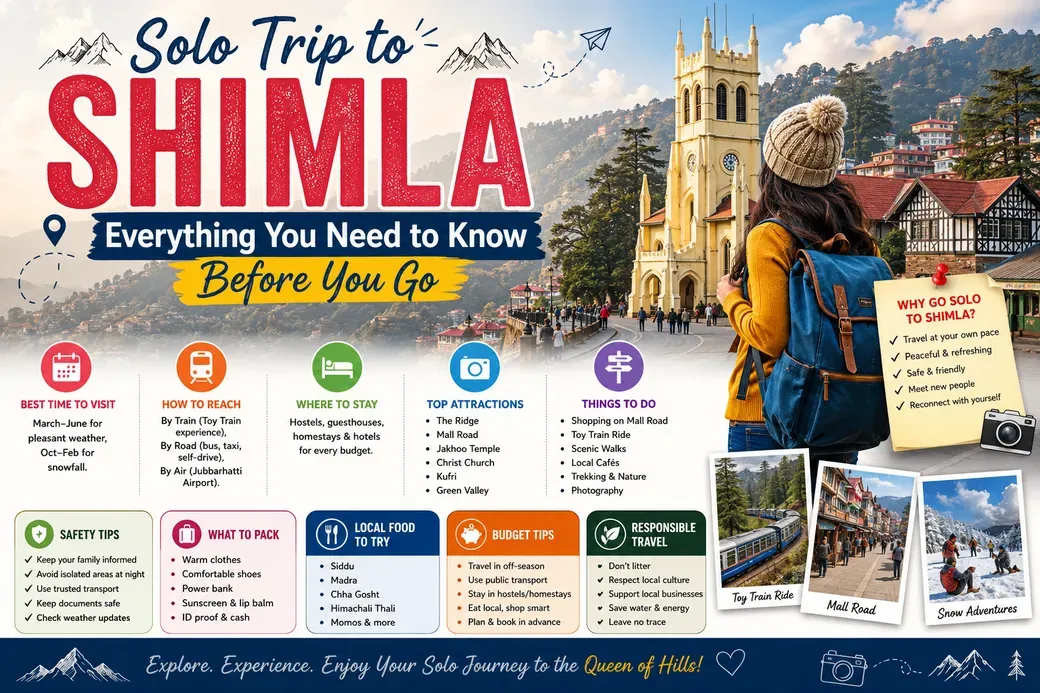
Planning a Solo Trip to Shimla is an exciting way to experience the beauty of the Himalayas at your own pace. Known as the "Queen of Hills," Shimla offers breathtaking mountain views, colonial architecture, charming cafés, vibrant markets, and peaceful walking trails. Whether you're seeking adventure, relaxation, or a break from your daily routine, a Solo Trip to Shimla promises unforgettable memories. This guide covers everything you need to know before setting off on your journey, from the best time to visit and transportation options to safety tips and must-see attractions. Why Choose a Solo Trip to Shimla? Shimla is one of India's most popular hill stations and an excellent destination for solo travelers. The town is well-connected by road and rail, has a wide range of accommodations, and offers a welcoming atmosphere. A Solo Trip to Shimla gives you the freedom to explore at your own pace, meet fellow travelers, and enjoy peaceful moments surrounded by nature. Whether you enjoy photography, hiking, shopping, or simply relaxing with a cup of tea overlooking the mountains, Shimla has something for everyone. Best Time to Visit Shimla Choosing the right season can make your trip even more enjoyable. Spring (March to May) Spring offers pleasant temperatures, blooming flowers, and clear skies. It's ideal for sightseeing, walking tours, and outdoor activities. Summer (May to June) Summer is perfect if you're escaping the heat of the plains. The weather remains cool, making it great for exploring local attractions. Monsoon (July to September) The hills become lush and green during the monsoon, but landslides and slippery roads can occasionally affect travel plans. Autumn (October to November) Autumn provides crisp weather, fewer crowds, and beautiful mountain views, making it an excellent time for a Solo Trip to Shimla . Winter (December to February) Winter transforms Shimla into a snowy wonderland. If you enjoy snowfall and winter sports, this is the best season to visit. Pack warm clothing, as temperatures can drop below freezing. How to Reach Shimla Shimla is accessible through several transportation options. By Air The nearest airport is Jubbarhatti Airport, located around 22 kilometers from Shimla. Taxis are available to reach the town. By Train The famous Kalka–Shimla Toy Train offers one of India's most scenic rail journeys. The narrow-gauge railway passes through tunnels, forests, and picturesque valleys, making the journey itself a memorable experience. By Road Regular buses and private taxis operate from cities such as Delhi, Chandigarh, and Chandigarh Airport. Driving through the hills can also be a rewarding experience if you're comfortable with mountain roads. Where to Stay Shimla offers accommodation for every budget. Popular options include: Budget hostels Guesthouses Boutique hotels Luxury resorts Homestays Solo travelers often enjoy hostels because they provide opportunities to meet other travelers and participate in group activities. Must-Visit Attractions A Solo Trip to Shimla isn't complete without exploring its famous landmarks. The Ridge The Ridge is Shimla's social hub, offering panoramic mountain views, open spaces, and several historical buildings. It's a wonderful place to relax and enjoy the local atmosphere. Mall Road Mall Road is perfect for shopping, dining, and people-watching. You'll find local handicrafts, cafés, bookstores, and souvenir shops. Jakhoo Temple Located atop Jakhoo Hill, this famous temple is dedicated to Lord Hanuman. The hike to the temple rewards visitors with beautiful views of the surrounding mountains. Christ Church One of the oldest churches in North India, Christ Church is known for its neo-Gothic architecture and peaceful ambiance. Kufri Just a short drive from Shimla, Kufri is famous for scenic landscapes, horse riding, adventure activities, and winter snowfall. Green Valley Green Valley offers breathtaking views of dense forests and rolling hills. It's one of the most photographed spots near Shimla. Things to Do During Your Solo Trip Make the most of your Solo Trip to Shimla by trying different experiences. Walk along Mall Road. Ride the Kalka–Shimla Toy Train. Watch the sunset from Scandal Point. Explore local cafés. Visit nearby villages. Shop for woolen clothing and handicrafts. Enjoy mountain photography. Try local Himachali cuisine. Trek nearby forest trails. Experience snowfall during winter. Safety Tips for Solo Travelers Shimla is generally considered a safe destination, but taking basic precautions is always wise. Keep your family informed about your itinerary. Avoid isolated areas after dark. Carry emergency contact numbers. Keep important documents secure. Use trusted transportation services. Stay aware of weather conditions. Carry enough cash for remote areas. Book accommodations with good reviews. Being prepared ensures a smooth and enjoyable journey. What to Pack Packing appropriately helps you stay comfortable throughout your trip. Essentials include: Warm clothing Comfortable walking shoes Rain jacket (during monsoon) Reusable water bottle Power bank Sunglasses Sunscreen Personal medications Identity documents Camera Even during summer, evenings can be cool, so carrying a light jacket is recommended. Try Local Food One of the highlights of a Solo Trip to Shimla is exploring local flavors. Don't miss: Siddu Madra Chha Gosht Babru Himachali Thali Momos Fresh bakery items Traditional tea Visiting local cafés also provides opportunities to meet fellow travelers. Budget Tips Traveling solo doesn't have to be expensive. You can save money by: Staying in hostels. Using public transport. Booking accommodations in advance. Eating at local restaurants. Traveling during the shoulder season. Carrying reusable water bottles. Walking between nearby attractions. Planning your expenses helps you enjoy more experiences without overspending. Responsible Travel Tips Help preserve Shimla's natural beauty by traveling responsibly. Avoid littering. Carry reusable items. Respect local customs. Support local businesses. Stay on marked trails. Conserve water and electricity. Avoid disturbing wildlife. Responsible travel ensures future visitors can enjoy the destination too. Conclusion A Solo Trip to Shimla offers the perfect combination of scenic beauty, peaceful surroundings, adventure, and cultural experiences. From strolling along Mall Road and riding the iconic Toy Train to exploring historic landmarks and enjoying breathtaking Himalayan views, Shimla has something for every solo traveler. With proper planning, smart packing, and a focus on safety, your Solo Trip to Shimla can become a memorable journey filled with discovery and relaxation. Whether you're visiting for a weekend or an extended vacation, Shimla welcomes you with its timeless charm and unforgettable mountain landscapes.

Best Tips on How to Find Cheap Flights for Any Destination

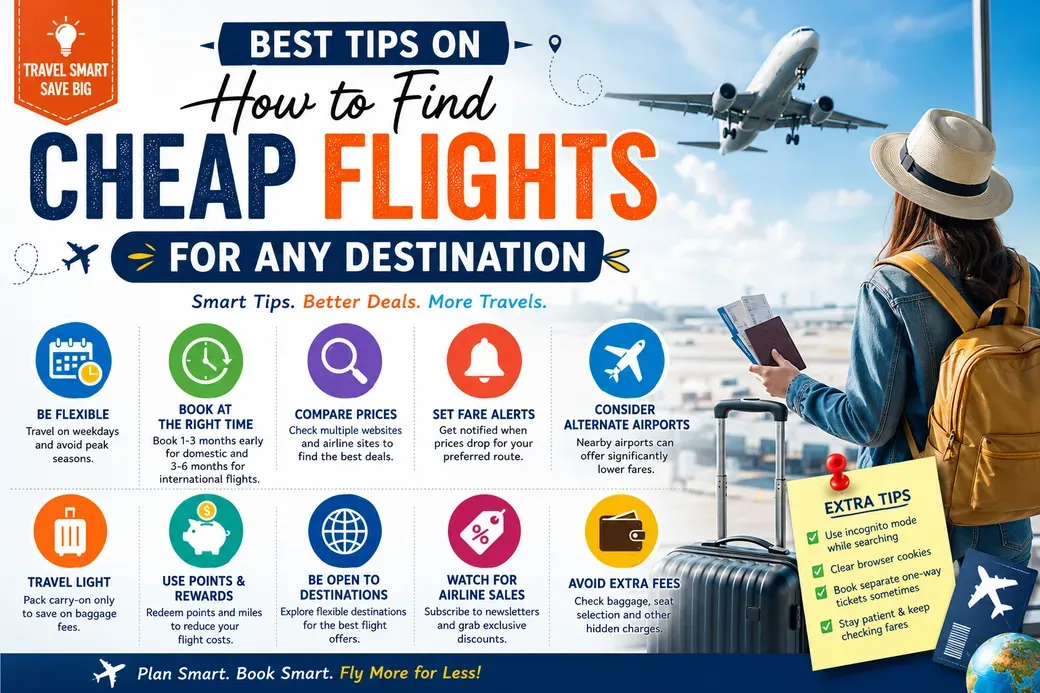
Finding affordable airfare can make a huge difference to your travel budget. Whether you're planning a weekend getaway, a family vacation, or an international adventure, knowing How to Find Cheap Flights can help you save money and travel more often. Flight prices constantly change based on demand, season, booking time, and airline pricing strategies, but with the right approach, you can often secure excellent deals. This guide shares the best tips on How to Find Cheap Flights for any destination, helping you maximize your travel budget without sacrificing convenience. Be Flexible with Your Travel Dates One of the easiest ways to learn How to Find Cheap Flights is by being flexible with your departure and return dates. Airfares often vary significantly depending on the day of the week, holidays, and peak travel seasons. Flying on weekdays, especially Tuesday or Wednesday, is often less expensive than traveling on weekends. If your schedule allows, compare fares across several dates before booking to identify the lowest prices. Book Flights at the Right Time Timing plays an important role in finding affordable airfare. Booking too early or waiting until the last minute can sometimes result in higher prices. For many domestic trips, booking one to three months in advance often provides competitive fares. For international travel, planning three to six months ahead may increase your chances of finding better deals. Monitoring prices regularly can help you recognize when fares drop. Compare Prices Across Multiple Platforms Never book the first fare you see. Comparing prices across multiple flight search platforms and airline websites allows you to identify the best available deal. When researching How to Find Cheap Flights , always compare: Airline websites Flight comparison websites Online travel agencies Regional booking platforms Sometimes airlines offer exclusive discounts through their official websites that may not appear elsewhere. Set Fare Alerts Fare alerts are one of the smartest tools for travelers. Many flight search platforms allow you to receive notifications whenever ticket prices change for your selected route. Instead of checking prices every day manually, you can receive updates when fares decrease, helping you book at the right moment. Fare alerts are especially useful if your travel dates are flexible. Travel During Off-Peak Seasons Peak tourist seasons usually bring higher airfare and accommodation costs. Choosing shoulder seasons or off-season travel often results in: Lower airfare Less crowded attractions Better hotel prices Shorter queues More enjoyable experiences Learning How to Find Cheap Flights often begins with avoiding major holidays and school vacation periods whenever possible. Consider Nearby Airports Large cities frequently have multiple airports. Sometimes flying into or out of a nearby airport can significantly reduce your airfare. Before booking, compare prices for airports within a reasonable distance of your destination. Even after factoring in transportation costs, the overall trip may still be less expensive. This simple strategy often reveals hidden savings. Fly with Budget Airlines Budget airlines can offer excellent value, especially for short-haul and regional flights. Before booking, carefully review: Baggage fees Seat selection charges Meal costs Check-in policies Cancellation terms While low-cost carriers advertise attractive fares, understanding the additional fees helps you determine the true cost of your journey. Use Points and Travel Rewards Many travelers reduce airfare expenses by using airline loyalty programs and travel credit card rewards. You can earn points through: Airline frequent flyer programs Travel credit cards Hotel partnerships Shopping reward programs Accumulated points can often be redeemed for discounted or even free flights. Travel with Carry-On Luggage Checked baggage fees can significantly increase your travel expenses. Packing efficiently with only a carry-on bag offers several advantages: Avoid baggage fees Faster airport experience Less risk of lost luggage Greater travel flexibility Minimalist packing is a valuable habit for travelers looking to reduce costs. Book Separate One-Way Tickets Instead of booking a traditional round-trip ticket, compare separate one-way flights. Sometimes combining different airlines for outbound and return journeys produces substantial savings. Always compare both options before making your final booking. Clear Browser Cookies or Use Private Browsing Some travelers prefer using private browsing mode while searching for flights. Although airlines have different pricing systems, using an incognito or private browser can provide a fresh search session without stored browsing data influencing your experience. More importantly, compare fares across different devices and platforms before booking. Be Flexible with Your Destination If your travel plans are open-ended, searching for the cheapest destinations rather than a specific city can uncover incredible bargains. Many flight search tools allow users to explore affordable destinations based on their departure airport. Being flexible greatly increases your opportunities to discover low-cost travel options. Watch for Airline Sales Airlines regularly launch promotional offers throughout the year. These sales may include: Seasonal promotions Festival discounts Anniversary sales Flash sales Weekend deals Subscribing to airline newsletters helps you stay informed about upcoming offers. Avoid Extra Fees Low fares can quickly become expensive when optional services are added. Review your booking carefully before payment and only purchase services you actually need, such as: Seat selection Priority boarding Extra baggage Travel insurance (if not already covered) Understanding the complete price is an essential part of How to Find Cheap Flights . Double-Check Flight Details Before confirming your reservation, verify: Departure airport Arrival airport Travel dates Passenger information Baggage allowance Visa requirements Transit times Correcting mistakes after booking can be expensive. Stay Patient While Searching Finding the lowest airfare sometimes requires patience. Compare prices over several days, set alerts, and avoid rushing into the first available deal. Prices fluctuate frequently, and careful monitoring often leads to significant savings. Experienced travelers know that persistence is often rewarded. Common Mistakes to Avoid When learning How to Find Cheap Flights , avoid these common mistakes: Booking without comparing prices. Ignoring baggage fees. Traveling only on weekends. Waiting until the last minute. Forgetting to set fare alerts. Overlooking nearby airports. Missing airline promotions. Not reading fare conditions. Avoiding these errors can save both money and unnecessary stress. Conclusion Mastering How to Find Cheap Flights doesn't require luck—it requires smart planning and flexibility. By comparing prices, traveling during off-peak seasons, setting fare alerts, considering nearby airports, using travel rewards, and avoiding unnecessary fees, you can significantly reduce your airfare for almost any destination. These simple strategies help you stretch your travel budget further, allowing you to explore more places without overspending. Whether you're planning a domestic getaway or an international adventure, applying these tips will make How to Find Cheap Flights easier and help you enjoy affordable travel throughout the year.

Trojena – The Mountains of NEOM, Saudi Arabia | A unique mountain destination in NEOM, Trojena will offer year-round outdoor skiing and adventure sports.

How to Travel Responsibly For Beginners: A Complete Step-by-Step Guide

Traveling opens the door to unforgettable experiences, new cultures, and breathtaking destinations. However, every journey also has an impact on the environment, local communities, and cultural heritage. Learning How to Travel Responsibly For Beginners is the first step toward becoming a thoughtful traveler who leaves a positive impression wherever they go. Responsible travel doesn't mean sacrificing comfort or fun—it simply means making mindful choices that benefit both the places you visit and the people who live there. This complete guide explains How to Travel Responsibly For Beginners with practical steps that anyone can follow. What Is Responsible Travel? Responsible travel means exploring destinations in ways that minimize environmental damage, respect local cultures, and support local economies. Instead of focusing only on sightseeing, responsible travelers aim to preserve the beauty and authenticity of every destination for future generations. Understanding How to Travel Responsibly For Beginners starts with recognizing that even small actions—such as reducing waste or supporting local businesses—can make a meaningful difference. Step 1: Research Your Destination Before your trip, spend time learning about your destination. Understanding local customs, traditions, dress codes, and cultural etiquette helps you become a respectful visitor. Research: Local laws and regulations Cultural traditions Common greetings Weather conditions Environmental concerns Public transportation options Preparation helps avoid misunderstandings and creates a more enjoyable travel experience. Step 2: Choose Eco-Friendly Transportation Transportation contributes significantly to carbon emissions. While flights are sometimes unavoidable, you can reduce your environmental impact by making smarter transportation choices. Whenever possible: Use trains instead of short flights. Walk to nearby attractions. Rent bicycles. Use public transportation. Share rides with other travelers. Learning How to Travel Responsibly For Beginners includes reducing unnecessary emissions whenever practical. Step 3: Pack Light and Smart Packing efficiently not only makes travel easier but also reduces fuel consumption during transportation. Bring reusable travel essentials such as: Water bottle Shopping bag Coffee cup Metal straw Food container Reusable cutlery Avoid single-use plastics whenever possible. Packing only what you need also saves luggage space and reduces waste. Step 4: Stay in Responsible Accommodations Choose accommodations that prioritize sustainability. Many hotels, guesthouses, and eco-lodges actively reduce water usage, recycle waste, and support local communities. Look for places that: Save energy Reduce plastic waste Use renewable energy Hire local staff Source local food Encourage towel and linen reuse Supporting responsible businesses helps promote sustainable tourism. Step 5: Respect Local Culture One of the most important aspects of How to Travel Responsibly For Beginners is respecting local traditions and customs. Always: Dress appropriately. Ask permission before photographing people. Learn basic local phrases. Follow religious site rules. Respect local festivals and ceremonies. Showing genuine respect creates positive interactions with local communities. Step 6: Support Local Businesses Your travel spending has a direct impact on local economies. Instead of choosing international chains whenever possible, support locally owned businesses. Spend your money at: Family-run restaurants Local markets Handmade craft shops Local tour guides Community-based experiences This helps keep tourism income within the community while providing authentic experiences. Step 7: Reduce Waste Waste management can be challenging in many tourist destinations. Responsible travelers make an effort to reduce the amount of trash they generate. Simple ways include: Refusing plastic bags Carrying reusable bottles Avoiding disposable utensils Recycling when available Properly disposing of waste Small actions add up and help protect natural environments. Step 8: Protect Nature and Wildlife Nature is often the main reason people travel. Protecting it should be a priority. When visiting natural areas: Stay on marked trails. Never litter. Do not feed wildlife. Avoid picking plants or flowers. Keep a safe distance from animals. Never purchase products made from endangered species. Understanding How to Travel Responsibly For Beginners includes appreciating wildlife without disturbing it. Step 9: Conserve Water and Energy Many destinations face shortages of water and electricity. Responsible travelers use these resources wisely. Helpful habits include: Taking shorter showers Turning off lights Switching off air conditioning when leaving Reusing towels Avoiding unnecessary laundry These simple choices reduce your environmental footprint. Step 10: Travel Slowly Instead of rushing through multiple destinations, spend more time exploring fewer places. Slow travel allows you to: Learn about local culture Reduce transportation emissions Build meaningful connections Support local businesses Enjoy less stressful experiences Quality travel is often more rewarding than visiting many places in a short time. Step 11: Be a Responsible Photographer Photography creates lasting memories, but it should always be respectful. Remember to: Ask before photographing individuals. Respect photography restrictions. Avoid disturbing wildlife for photos. Stay off protected monuments. Leave natural areas untouched. Responsible photography preserves both culture and nature. Step 12: Leave Every Place Better Than You Found It One of the simplest principles of responsible travel is leaving destinations cleaner and better preserved. You can: Pick up litter if safe. Respect public property. Follow local rules. Avoid damaging historical sites. Encourage others to travel responsibly. Every responsible action contributes to preserving destinations for future visitors. Benefits of Responsible Travel Practicing How to Travel Responsibly For Beginners offers many advantages beyond protecting the environment. Benefits include: Better cultural experiences Positive interactions with locals Reduced environmental impact Support for local economies Preservation of natural attractions More meaningful travel memories Greater appreciation for different cultures Responsible travel creates experiences that are rewarding for both travelers and host communities. Common Mistakes to Avoid Many first-time travelers unintentionally make choices that negatively impact destinations. Avoid these common mistakes: Littering Wasting water Ignoring local customs Buying illegal wildlife products Damaging historical monuments Supporting unethical animal attractions Overpacking disposable items Being disrespectful toward local traditions Awareness is the first step toward becoming a responsible traveler. Conclusion Learning How to Travel Responsibly For Beginners is about making thoughtful decisions that protect the environment, respect local cultures, and support communities. You don't need to change every aspect of your travel overnight—even small actions like carrying a reusable water bottle, choosing local businesses, conserving resources, and respecting local traditions can make a significant difference. By following these simple steps, you'll enjoy richer travel experiences while helping preserve the world's incredible destinations for future generations. Responsible travel is not just about where you go—it's about how you choose to explore.

Ultimate Guide to Things to Do in Jaipur with Family and Friends

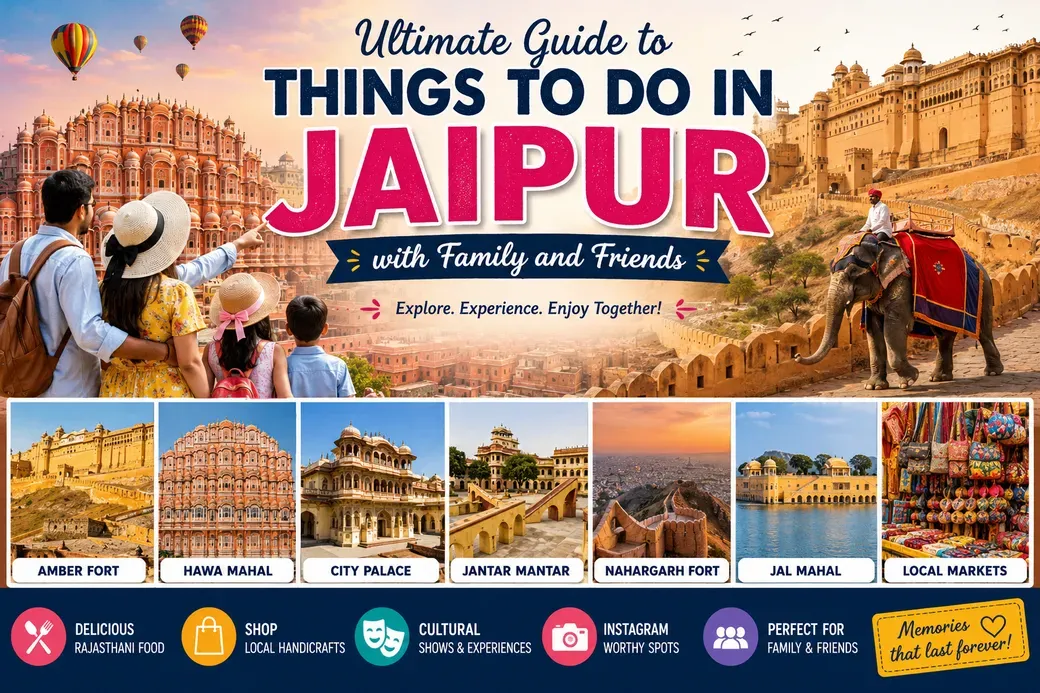
Jaipur, famously known as the Pink City, is one of India's most vibrant travel destinations. From magnificent forts and royal palaces to colorful markets and authentic Rajasthani cuisine, there is no shortage of Things to Do in Jaipur for visitors of all ages. Whether you are planning a family vacation or a fun-filled getaway with friends, Jaipur offers unforgettable experiences that combine history, culture, adventure, and entertainment. This guide explores the best Things to Do in Jaipur to make your trip memorable. Visit the Magnificent Amber Fort One of the top Things to Do in Jaipur is exploring the magnificent Amber Fort. Perched on a hill overlooking Maota Lake, this UNESCO World Heritage Site showcases breathtaking Rajput architecture, grand courtyards, intricate mirror work, and beautiful gardens. Families can enjoy learning about Rajasthan's royal history, while groups of friends will love capturing stunning photographs from the fort's scenic viewpoints. Don't miss the spectacular Light and Sound Show held in the evening. Explore the City Palace The City Palace is a perfect destination for travelers interested in royal heritage. The palace complex features elegant courtyards, museums, art galleries, and beautifully decorated gates. Walking through the palace allows visitors to admire centuries-old artifacts, royal costumes, weapons, and paintings. It is one of the most fascinating Things to Do in Jaipur for families looking to introduce children to India's rich cultural heritage. Admire the Beauty of Hawa Mahal No visit to Jaipur is complete without seeing the iconic Hawa Mahal. Known as the Palace of Winds, this five-story architectural masterpiece features hundreds of beautifully designed windows that allowed royal women to observe city life without being seen. Families and friends can explore the interior, climb to the upper floors, and enjoy panoramic views of Jaipur's bustling streets. Discover Jantar Mantar Jantar Mantar is one of the world's most remarkable astronomical observatories. Built by Maharaja Sawai Jai Singh II, it houses enormous instruments used to study celestial bodies and measure time. Visiting this UNESCO World Heritage Site is among the educational Things to Do in Jaipur , especially for children and science enthusiasts. Shop at Jaipur's Colorful Markets Shopping is undoubtedly one of the most exciting Things to Do in Jaipur . The city's traditional bazaars are filled with handcrafted souvenirs, colorful textiles, jewelry, pottery, leather goods, and decorative items. Popular shopping destinations include: Johari Bazaar Bapu Bazaar Tripolia Bazaar Chandpole Bazaar Nehru Bazaar Families can buy authentic Rajasthani handicrafts, while friends can hunt for trendy accessories and unique keepsakes. Enjoy Authentic Rajasthani Cuisine Food lovers will find countless Things to Do in Jaipur centered around local cuisine. Jaipur's restaurants and street food stalls serve delicious traditional dishes that showcase Rajasthan's rich culinary heritage. Must-try dishes include: Dal Baati Churma Gatte Ki Sabzi Laal Maas Pyaaz Kachori Ghewar Mawa Kachori Mirchi Vada Sharing these local delicacies with family and friends creates lasting memories. Spend Time at Nahargarh Fort Nahargarh Fort offers breathtaking panoramic views of Jaipur, especially during sunset. The peaceful surroundings make it an ideal place for families seeking relaxation and friends looking for amazing photography spots. Cycling enthusiasts can also enjoy riding up the scenic route leading to the fort. The fort's café provides a perfect setting to unwind while overlooking the Pink City. Visit Jal Mahal Situated in the middle of Man Sagar Lake, Jal Mahal is one of Jaipur's most photographed landmarks. Although visitors cannot enter the palace, walking along the lakeside offers beautiful views, especially during sunrise and sunset. Families can enjoy birdwatching, while friends can capture memorable pictures against the stunning backdrop. Explore Albert Hall Museum The Albert Hall Museum is Rajasthan's oldest museum and houses an impressive collection of sculptures, paintings, carpets, pottery, musical instruments, and ancient artifacts. It is one of the educational Things to Do in Jaipur , making it an excellent stop for families traveling with children. Experience Chokhi Dhani For an authentic taste of Rajasthani village life, visit Chokhi Dhani. This cultural village offers traditional food, folk dances, puppet shows, camel rides, magic performances, and local crafts. Families especially enjoy the entertaining atmosphere, while groups of friends can participate in cultural activities and enjoy traditional music throughout the evening. Visit Jaigarh Fort Jaigarh Fort is famous for housing Jaivana Cannon, one of the world's largest wheeled cannons. The fort also offers magnificent views of Amber Fort and the surrounding Aravalli Hills. Exploring its tunnels, watchtowers, and museums is among the adventurous Things to Do in Jaipur . Relax at Central Park If you're looking for peaceful Things to Do in Jaipur , Central Park provides green landscapes, jogging tracks, musical fountains, and relaxing walking paths. Families can enjoy picnics, while friends can spend quality time amidst nature after a day of sightseeing. Enjoy Adventure Activities Jaipur isn't just about history—it also offers thrilling outdoor experiences. Adventure seekers can enjoy: Hot air balloon rides ATV rides Ziplining Elephant village experiences Camel safaris Trekking around the Aravalli Hills These activities are perfect for creating unforgettable memories with friends and family. Capture Instagram-Worthy Photos Jaipur offers endless opportunities for photography lovers. Some of the best locations include: Patrika Gate Panna Meena Ka Kund Amber Fort Hawa Mahal Nahargarh Fort Jal Mahal City Palace Every corner of Jaipur showcases vibrant colors and stunning architecture. Travel Tips for Jaipur To make the most of your trip: Visit between October and March for pleasant weather. Start sightseeing early to avoid crowds. Wear comfortable walking shoes. Carry water and sunscreen. Respect local customs and heritage sites. Bargain politely while shopping in local markets. Book popular attractions in advance during peak tourist season. Conclusion Jaipur perfectly blends royal history, vibrant culture, delicious cuisine, and exciting adventures, making it an ideal destination for travelers of every age. Whether you're exploring magnificent forts, shopping in bustling bazaars, enjoying authentic Rajasthani food, or watching breathtaking sunsets from hilltop forts, there are endless Things to Do in Jaipur that promise unforgettable experiences. Plan your journey with family or friends and immerse yourself in the timeless charm of Rajasthan's Pink City.

Snow-capped mountains under a clear blue sky

Step-by-Step Guide on How to Pack for Travel Efficiently

Traveling is exciting, but packing can sometimes become stressful and overwhelming. Learning How To Pack For Travel efficiently helps you save space, avoid unnecessary items, and ensure that you have everything you need during your trip. Whether you are heading on a weekend getaway, a business trip, or a long vacation, proper planning can make your journey much smoother. This guide explains How To Pack For Travel in a simple, step-by-step manner so you can travel confidently and comfortably. Start by Making a Packing List The first step in How To Pack For Travel is creating a detailed packing list. Write down everything you will need based on your destination, weather conditions, and activities. Divide the list into categories such as clothing, toiletries, electronics, travel documents, medications, and accessories. Having a checklist prevents overpacking and reduces the chances of forgetting important items. It also saves time when preparing for future trips. Choose the Right Luggage Selecting appropriate luggage is essential for efficient packing. For short trips, a carry-on suitcase or backpack may be sufficient. Longer vacations might require a larger suitcase with multiple compartments. Consider your mode of transportation when choosing luggage. If you will be walking frequently or changing locations often, lightweight bags with durable wheels can make travel much easier. Check the Weather Forecast Understanding the climate at your destination is an important part of How To Pack For Travel . Check the weather forecast several days before departure so you can pack suitable clothing. Avoid bringing items "just in case" unless absolutely necessary. Packing according to actual weather conditions helps reduce luggage weight and saves valuable space. Pack Versatile Clothing One of the best travel strategies is choosing versatile clothing pieces that can be mixed and matched. Neutral colors work well because they coordinate easily with multiple outfits. Instead of packing a different outfit for every day, select clothing that can serve multiple purposes. Lightweight layers are particularly useful because they adapt to changing temperatures without taking up much room. Roll Clothes Instead of Folding Rolling clothes is a proven method for maximizing suitcase space. It helps reduce wrinkles and allows you to see all your items more clearly. This technique is especially helpful when learning How To Pack For Travel efficiently. Rolled garments fit neatly into corners and leave room for other essentials. Use Packing Cubes Packing cubes help organize clothing, accessories, and personal items into separate sections. They make unpacking easier and keep your luggage tidy throughout the trip. You can dedicate different cubes to shirts, pants, undergarments, electronics, or toiletries. This organization saves time when searching for specific items during your journey. Limit Shoes and Bulky Items Shoes often occupy significant luggage space. Try to pack only two or three pairs that suit multiple occasions. Wear the heaviest pair while traveling and place smaller shoes inside protective bags. Bulky jackets or sweaters can also consume valuable space. If possible, wear larger items during transit rather than packing them. Keep Essential Documents Accessible Another important aspect of How To Pack For Travel is organizing travel documents. Store passports, identification cards, boarding passes, hotel reservations, and insurance information in a dedicated travel folder or organizer. Keeping these documents easily accessible reduces stress at airports and during hotel check-ins. Prepare a Toiletry Kit Pack travel-sized toiletries whenever possible. Many airlines have restrictions on liquid containers, so smaller bottles are more convenient. Include essentials such as toothpaste, shampoo, soap, medications, sunscreen, and personal hygiene products. Place liquids inside sealed plastic bags to prevent accidental leaks. Pack Electronics Carefully Modern travelers often carry multiple electronic devices. Chargers, power banks, headphones, adapters, and cameras should be organized in a separate pouch. If you are traveling internationally, research the electrical outlets used at your destination and pack the appropriate adapter. Leave Extra Space in Your Luggage One of the most overlooked tips in How To Pack For Travel is leaving some empty space in your suitcase. This extra room can accommodate souvenirs, gifts, or items purchased during your trip. Overstuffed luggage becomes difficult to manage and may exceed airline weight limits. Packing lighter offers greater flexibility and convenience. Keep Important Items in Your Carry-On Always place valuable items and necessities in your carry-on bag. These may include medications, travel documents, electronics, a change of clothes, and essential toiletries. If checked baggage is delayed or lost, having these items with you ensures a more comfortable experience. Review Your Packing List Before Departure Before leaving home, review your packing checklist one final time. Remove unnecessary items and confirm that all essentials are included. This final review is a critical step in How To Pack For Travel because it helps eliminate clutter and ensures that you remain organized throughout your journey. Conclusion Learning How To Pack For Travel efficiently is a valuable skill that improves every travel experience. By creating a packing list, choosing versatile clothing, organizing belongings with packing cubes, and keeping important items accessible, you can travel with greater comfort and confidence. Efficient packing reduces stress, saves time, and allows you to focus on enjoying your destination rather than managing excessive luggage. With thoughtful preparation and smart organization, every trip can begin smoothly and end with wonderful memories.