Deadhead or Not?
The definitive definition of what a Deadhead is questionable. From the hardcore fans to the casual listener, both groups have their own definition. A hardcore fan might say that a person must have been alive to physically travel with the Grateful Dead, see the live performances, and even tape some of their concerts. Be surrounded by the culture and counterculture, have been affected by the electric Kool-Aid acid test. While on the other hand a casual listener may say that as long as a person likes their music then they are considered a Deadhead. These are all points that must be considered for a person to be known as a Deadhead. However, these are just basic definitions. The real question is what does it actually mean to be an actual deadhead?
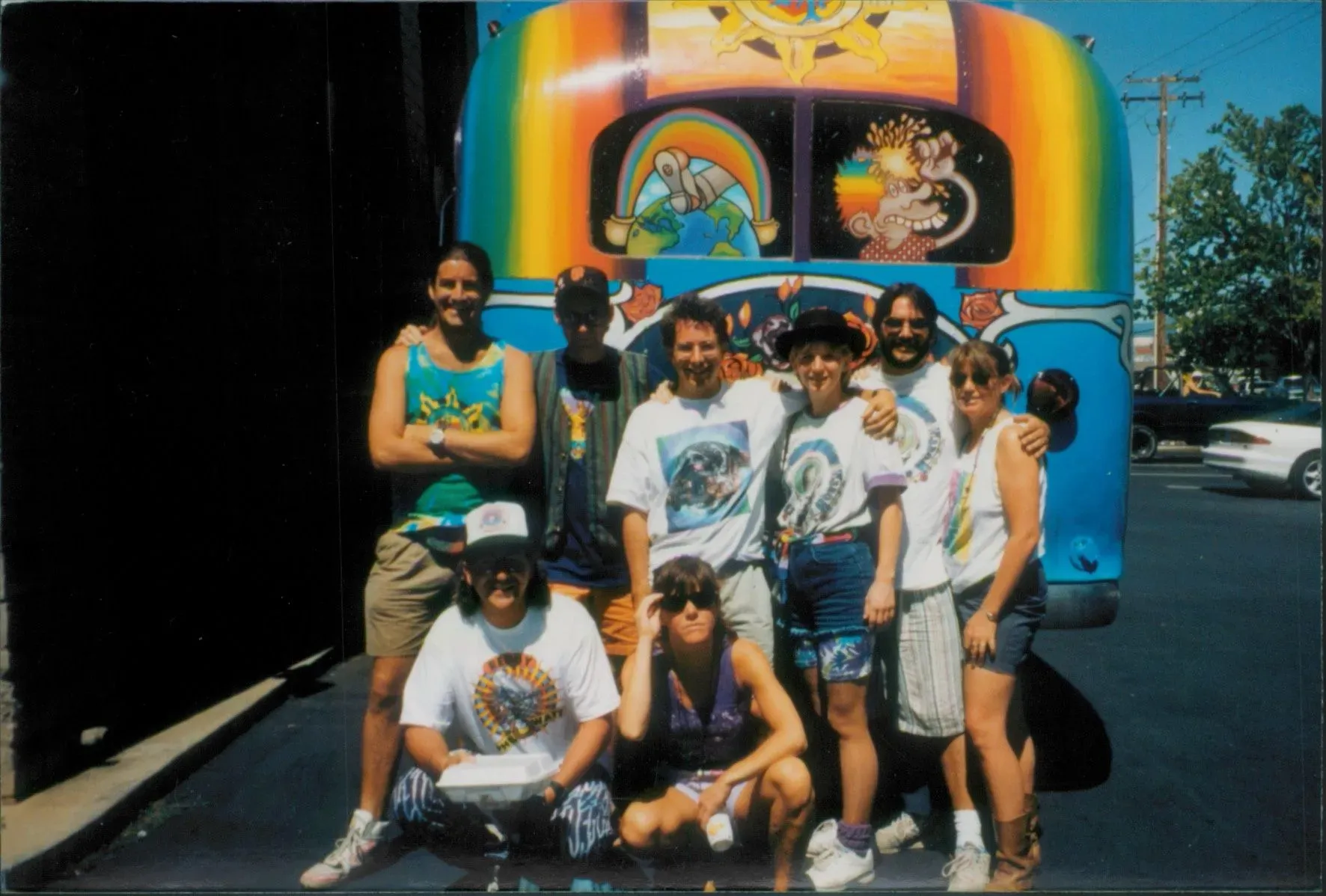
To start, we are going to look at the beginning of the Grateful Dead and their involvement with both culture and counterculture. They did not begin as any old rock and roll band; they grew from a rich fan-built culture around sharing similar ideas of community acceptance. As Deadheads, they followed the Dead’s live tours from city to city, recording and trading bootleg cassette tapes, sharing food and equipment in parking lots, and creating a space where they could experience improvision and spiritual enlightenment firsthand. This gave people a feeling of belonging, even if they had never seen each other before. Fans dressed in tie-dyed shirts, carrying blankets and instruments, and talking to each other about the previous night’s setlist. The Grateful Dead’s music became the soundtrack for this lifestyle, not just a playlist to listen every once in a while.
This culture did not appear out of nowhere; it grew out of the mid-1960s counterculture centered in San Francisco’s Haight-Ashbury neighborhood. There the band rejected the mainstream norms, embraced psychedelics, and pushed for a more experimental sound. Causing the movement to question authority and become the wild yet eye catching counterculture energy that fans embraced. The Grateful Dead helped turn this wild group of hippies into a lasting fan culture that still exists today. The typical concert turned into collective experiences, where the audience and band blurred into one shared space. The acid tests and the psychedelic parties showed that the music could become much more than what was already upon them.
Beyond the Grateful Dead itself, when side projects were a turn of a century idea. Each member created a band that kept the same spirit and energy alive in different ways. Bob Weir carried much of the Grateful Dead’s sound into many of his side projects such as RatDog. Jerry Garcia toured for years with the Jerry Garcia Band, using techniques that turned the typical groovy rhythm into a more intimate sound. Even the other members (Phil Lesh and Micky Hart) of the band created side projects. Such as Phil Lesh and Friends, The Other ones, and Furthur, they not only extended the legacy of the Grateful Dead, but allowed for new audiences and younger fans to experience what older fans experienced with the Grateful Dead. For many these side projects act as the entrance into the larger Dead world.
Although these side projects are great, as they allow for more audience, it also creates some fuss, turning full Deadheads into gatekeepers. In this instance a gatekeeper is someone who polices the idea of a true Deadhead, by policing who counts. Often by creating challenges for new fans, insisting that the old way was the true way, and that attendance to live performances and loyalty to the original is the only true Deadhead. This mindset can often make the community more exclusive as if loving the music isn’t enough. Gatekeepers may even look down on younger fans that discovered the Grateful Dead through side projects like Dead and Company or Bob Weir’s RatDog.
In my personal opinion, I believe that for someone to be considered a real Deadhead they have to enjoy the music. A true Deadhead doesn’t just enjoy the song, they enjoy the improvisation, the long jams, the different feeling from each show, and the energy of the crowd. A person should feel excited to follow the setlists, listen to old tapes or records, and talk about the shows to other fans. The core identity of being a Deadhead is loving the music and the experiences, not just one member or one project in isolation.
When I was searching for what a Deadhead was through fan discussion I found the perfect definition from a user on Reddit’s forum, and I would like to share it with you.
If you listen to the river sing sweet songs to rock your soul, you are in fact a deadhead.
If you like the music of the Grateful Dead, you are in fact a dead head
If you don’t really know who they are, but you enjoy the music, you guessed it, I’d call you a deadhead.
If you self identify as a deadhead, I’ll believe it because why would you lie?