Philatelic Guide to Removing Self-Adhesive Stamps
Modern self-adhesive stamps use a pressure-sensitive adhesive (PSA) that does not dissolve in water. While traditional soaking can damage the paper or leave the stamp permanently stuck to the envelope, citrus-based solvents effectively break down the chemical bonds of the adhesive without the harshness of industrial chemicals.
Materials:
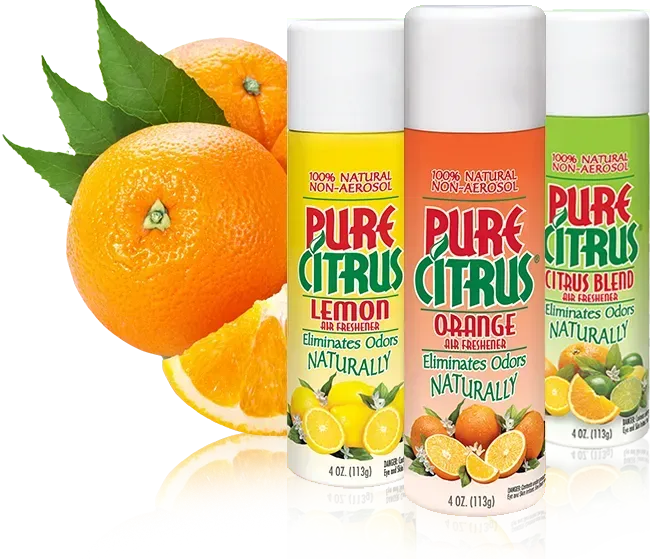
Pure Citrus Air Freshener: (Must be 100% natural, non-aerosol orange or lemon oil; brands like Pure Citrus or Citrus Magic are industry standards).
A flat surface: A glass plate or ceramic tile works best.
Blunt-end stamp tongs: To handle the stamps safely.
A plastic scraper: An old credit card or used gift card.
Step-by-Step Process
Step 1, Preparation:
Place the envelope fragment (the stamp piece) face down on your flat surface.
Step 2, Application:
Spray a small amount of the citrus air freshener directly onto the back of the paper. Ensure the paper is fully saturated until it becomes translucent.
Step 3, Wait Time:
Wait approximately 30 to 60 seconds. You will notice the adhesive begin to
release.
Step 4, The Peel:
Using your tongs, gently lift one corner of the paper. The stamp should slide off easily. If there is resistance, apply a small drop more of the solvent and wait. Never force the peel, as this can cause thinning (tearing the paper fibers of the stamp).
Step 5, Adhesive Removal:
The stamp will likely still have a sticky layer on the back. To remove this, lay the stamp face down and spray a small amount of citrus freshener on the back. Use the edge of a plastic card to gently scrape the softened adhesive away from the center toward the edges.
Step 6, Drying:
Place the stamp face down on a clean paper towel to dry. The citrus oil will evaporate completely within 15–30 minutes.
Effects on Stamps and Cancellations:
Paper of The Stamp
It temporarily turns the paper translucent but evaporates without leaving oily stains, often associated with water soaking.
Stamp Inks
Most modern inks are stable when exposed to citrus oils. However some modern metallic inks (specialized inks blended with finely milled bronze, copper or aluminum) may be sensitive.
Foil Stamps
Caution is required for stamps with foil elements (e.g., holographic or metallic foils). Citrus solvents can occasionally dissolve the bonding agent holding the foil, causing it to flake off.
Cancellation Marks
Traditional black carbon-based cancellations are generally resistant to citrus solvents. However, inkjet spray-on cancellations or certain purple/red stamps may smudge if the solvent is left on the face of the stamp for an extended period. So always minimize contact between the solvent and the front of the stamp.
Important Precautions
Testing: Always test a common, low-value stamp from the same series before
attempting to remove a rarity.Ventilation: While the orange scent is pleasant, it is concentrated. Use in a well-
ventilated area.Alternative Considerations: For older stamps (pre-1990s) with water-activated gum,
traditional water soaking remains the gold standard. Citrus solvents should be reserved specifically for modern self-adhesives.