Food, Water Security and Agriculture
The Food, Water Security and Agricultural Initiative
aims to strengthen food security, water resilience and sustainable livelihoods by developing an integrated agricultural value chain that supports farmers from production through processing, manufacturing, packaging, marketing and sale.
The project recognises that sustainable food security requires more than increasing agricultural production. Farmers need access to water, agricultural inputs, knowledge, finance, storage, processing facilities and reliable markets.
They also need opportunities to benefit from the additional economic value generated from their crops.
AFI will therefore promote a farmer-centred, commercially sustainable value-chain model, enabling farmers to increase production while participating in the economic opportunities created through value addition.
Sustainable Agriculture and Water Security
Farmers will be supported with training, improved agricultural practices, appropriate inputs, crop diversification, climate-resilient farming techniques and improved post-harvest management.
Water security will be addressed through appropriate interventions such as rainwater harvesting, water storage, irrigation, water conservation and rehabilitation of existing infrastructure. Farmers and communities will be supported to manage water resources efficiently and sustainably.

Farmer Ownership and Value Addition
A key feature of the project will be to move farmers beyond simply selling raw commodities. AFI will explore appropriate farmer ownership, cooperative and shareholding models, enabling farmers to have a stake in enterprises involved in processing, manufacturing and marketing their crops.
This approach can allow farmers to benefit from value created at different stages of the agricultural chain rather than receiving income only from the initial sale of raw produce.
Processing, Manufacturing and Packaging
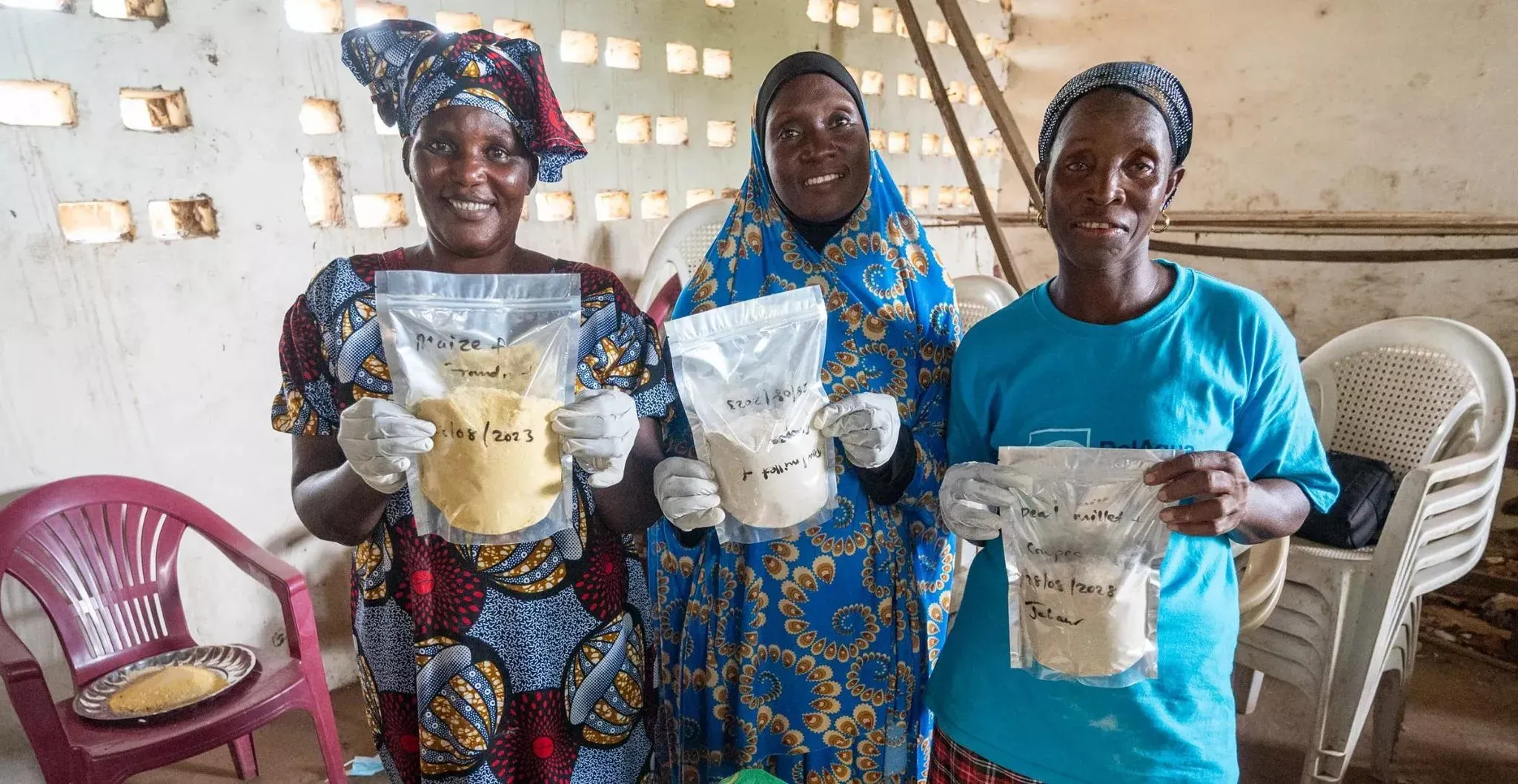
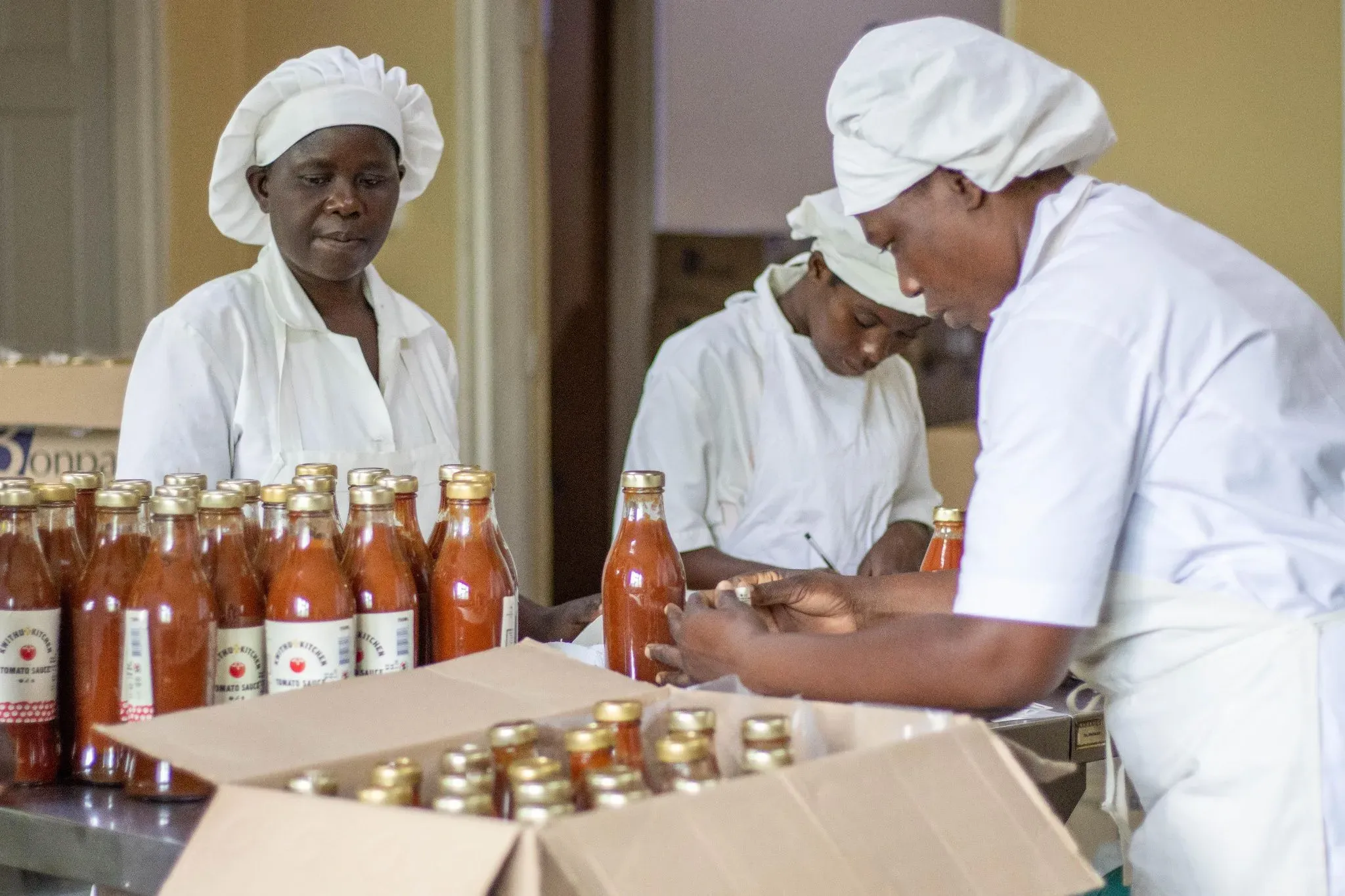
The project will support the development of agro-processing and manufacturing capacity to transform locally produced crops into higher-value products.
Depending on local opportunities, this could include grain and flour products, processed fruits and vegetables, edible oils, cassava and root-crop products, spices, nuts, animal feed, beverages and other food products.
Investment in processing, packaging, branding and quality assurance will enable locally produced commodities to become market-ready products with opportunities to reach local, national, regional, diaspora and export markets.
Direct Farmer-to-Buyer Market Linkages
An important element of the project will be connecting farmers more directly with commercial markets. Participating farmers and farmer organisations will, where appropriate, be linked to an Agribusiness Commodity Exchange or structured agricultural marketplace.
This will provide opportunities for farmers to access market information and connect with processors, wholesalers, retailers, institutional buyers and exporters. The objective is to improve transparency around market demand, quality requirements, volumes and pricing, while giving farmers greater choice in how and where they sell their produce.
Livelihoods, Women and Youth
The project will create opportunities across the wider agricultural value chain, including farming, aggregation, storage, transport, processing, manufacturing, packaging, marketing, distribution and retail.
Women and young people will be encouraged to participate not only as producers but also as entrepreneurs, processors, manufacturers, technicians, marketers and business owners. This will help diversify livelihoods and create opportunities for income generation and employment within local communities.
Expected Impact
The project aims to contribute to:
Improved food production and food security.
Increased access to sustainable water for agriculture.
Reduced post-harvest losses.
Greater agricultural productivity and climate resilience.
Increased processing and manufacturing of locally produced crops.
Development of higher-value, branded and packaged products.
Stronger direct links between farmers and commercial buyers.
Greater farmer participation in value-added enterprises and ownership structures.
Increased employment and livelihood opportunities.
Greater economic participation by women and young people.
Stronger local and regional agricultural value chains.
Long-Term Sustainability
The project will be developed as a commercially sustainable agricultural ecosystem, rather than a short-term food-support programme. Sustainability will be supported through farmer participation and ownership, commercial partnerships, market linkages, processing revenues, reinvestment, training and strategic relationships with government agencies, financial institutions, agribusinesses, commodity exchanges, development organisations and commercial buyers.
The long-term vision is to enable farmers to move from selling raw crops to becoming active participants and potential owners within profitable agricultural value chains, while strengthening food security, water resilience, local manufacturing and sustainable livelihoods.