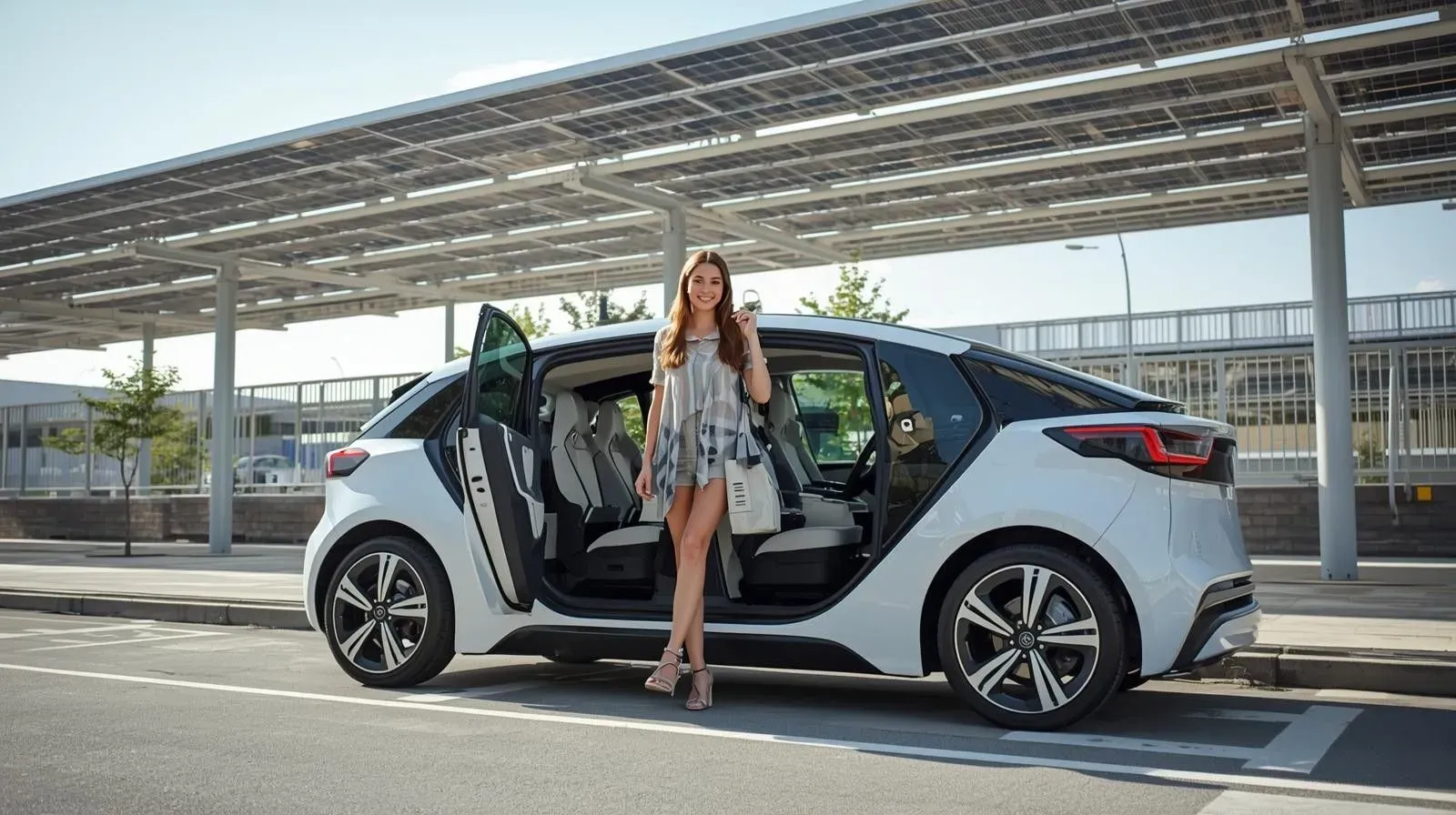
Electric Taxi System
Discover how an electric taxi network using small vehicles can provide shared rides for 2-4 passengers. Inspire the next generation by community-driven S.T.E.A.M. projects to empowering local youth in building, maintaining, and upgrading this sustainable transportation system. Join us in shaping a cleaner, smarter future with hands-on learning and solar-powered technology.
The Vision
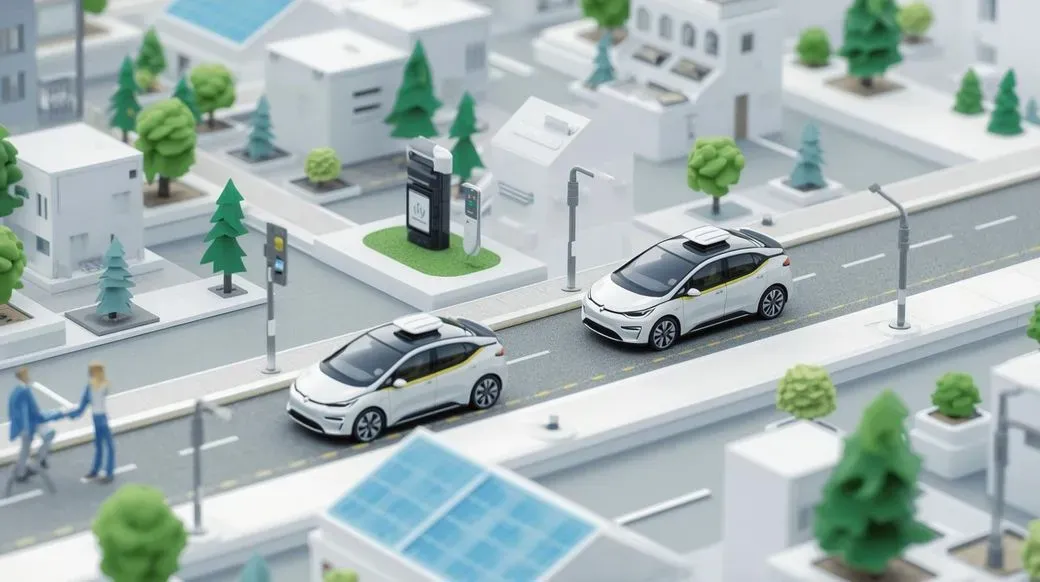
Electric Taxi System Setup
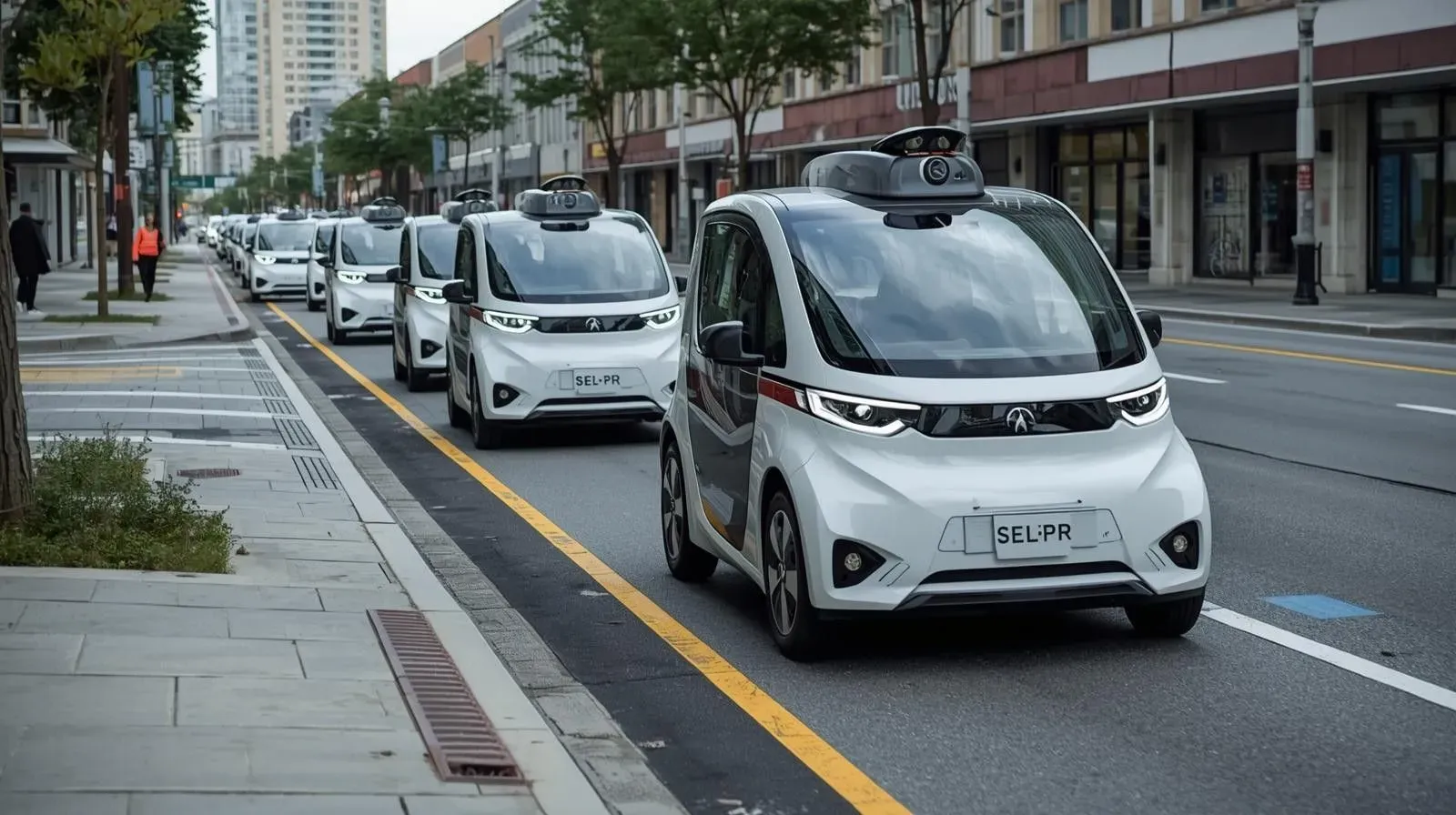
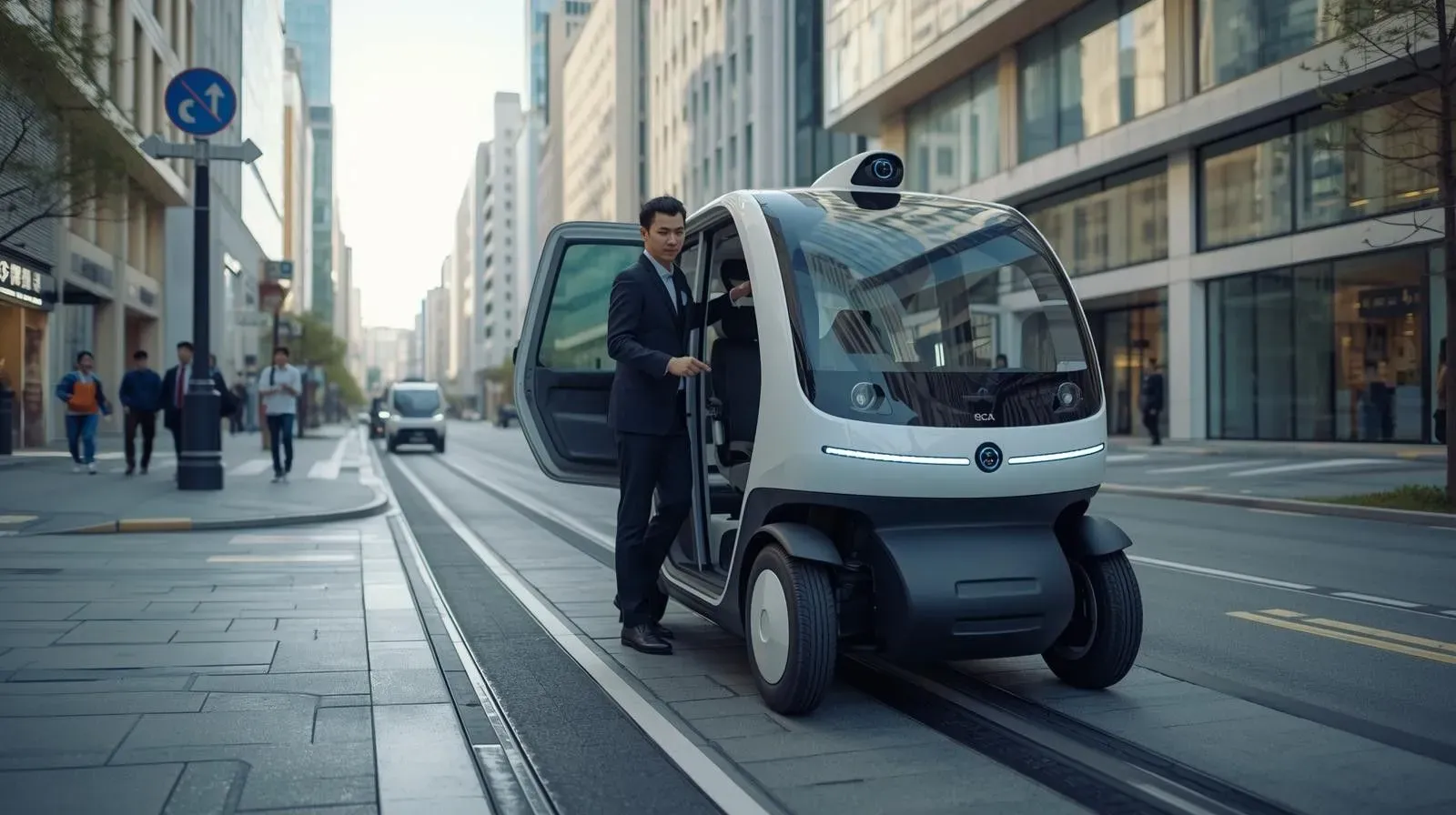
Implementing small electric vehicles that run along curbs on designated routes, providing shared rides for 2 to 4 passengers efficiently.

Solar-Powered Charging Stations
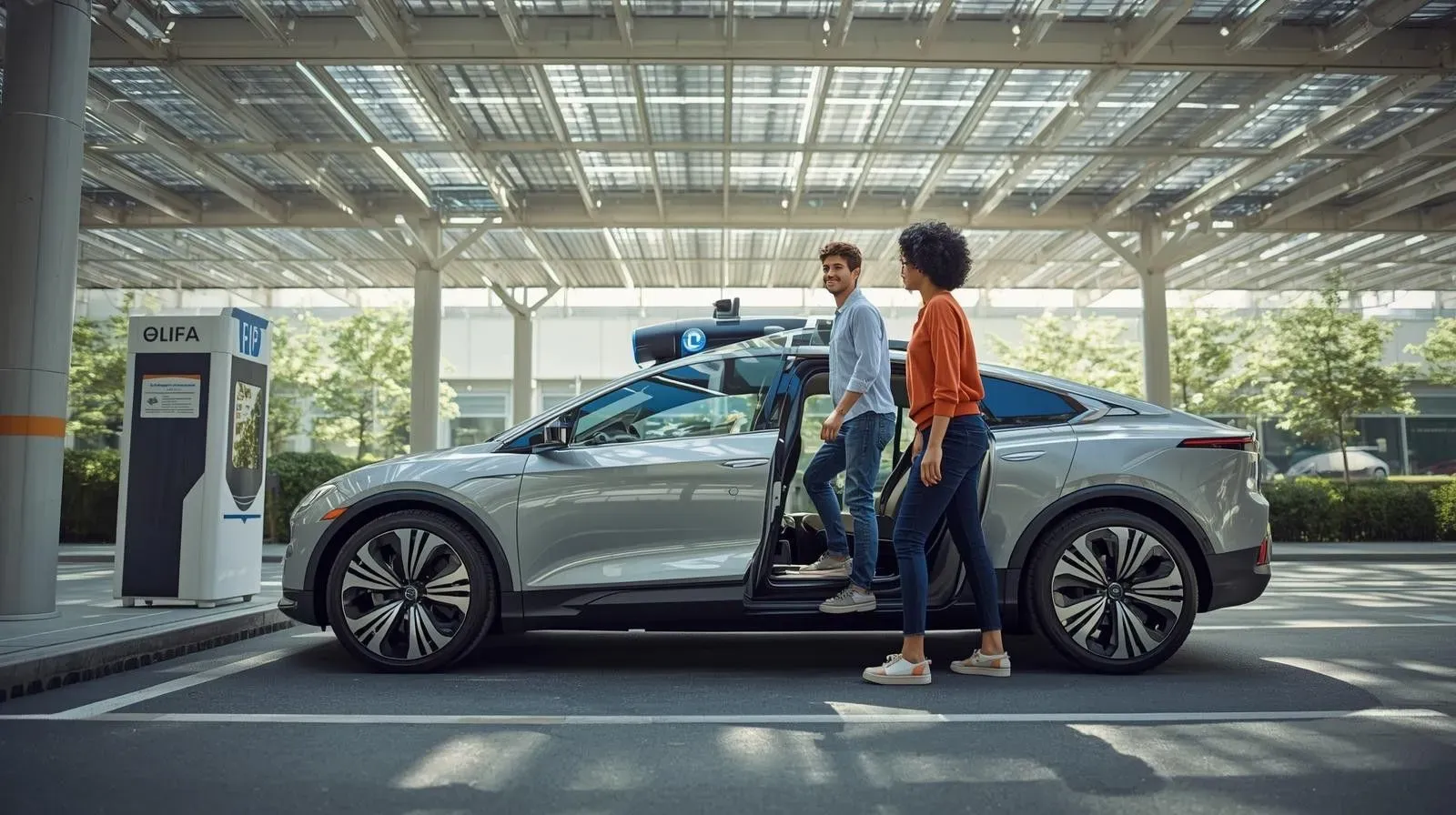
Installation of compact charging stations equipped with canopy solar panels to keep the electric taxi fleet powered sustainably.
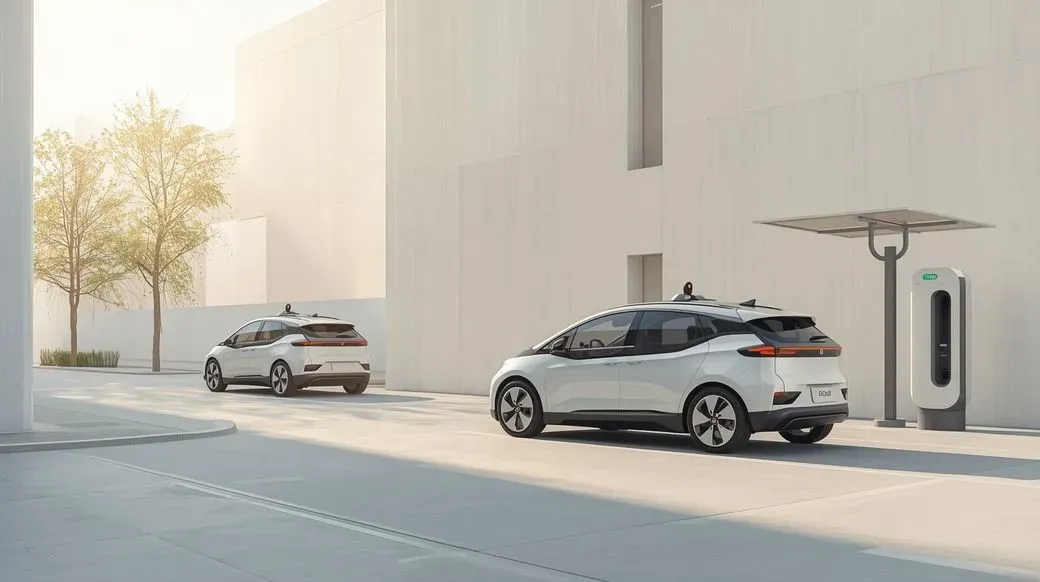
Ongoing System Maintenance and Upgrades
Providing continuous support for equipment maintenance and implementing technological upgrades to ensure the electric taxi system evolves with community needs and involvement.
Gallery

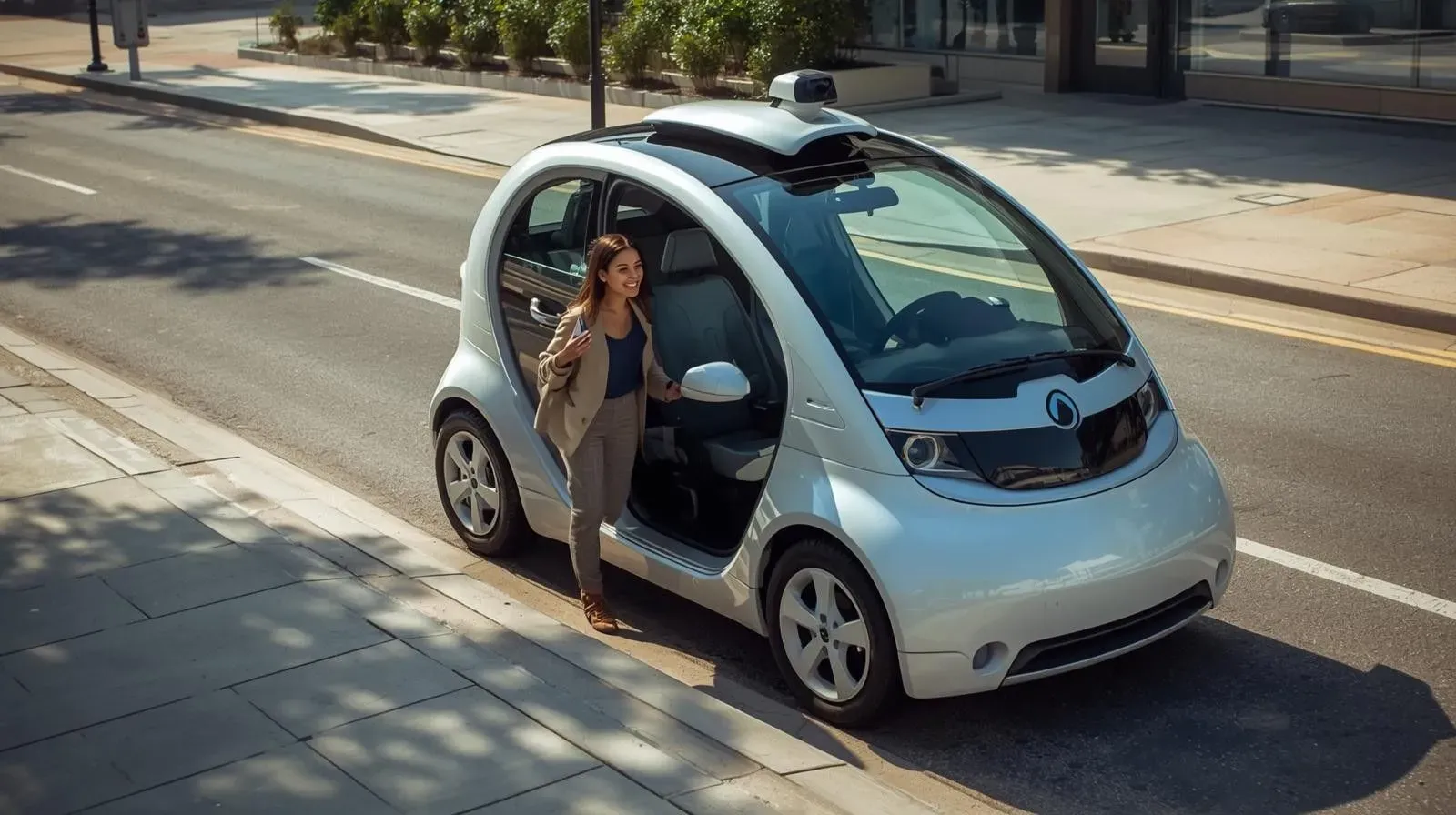
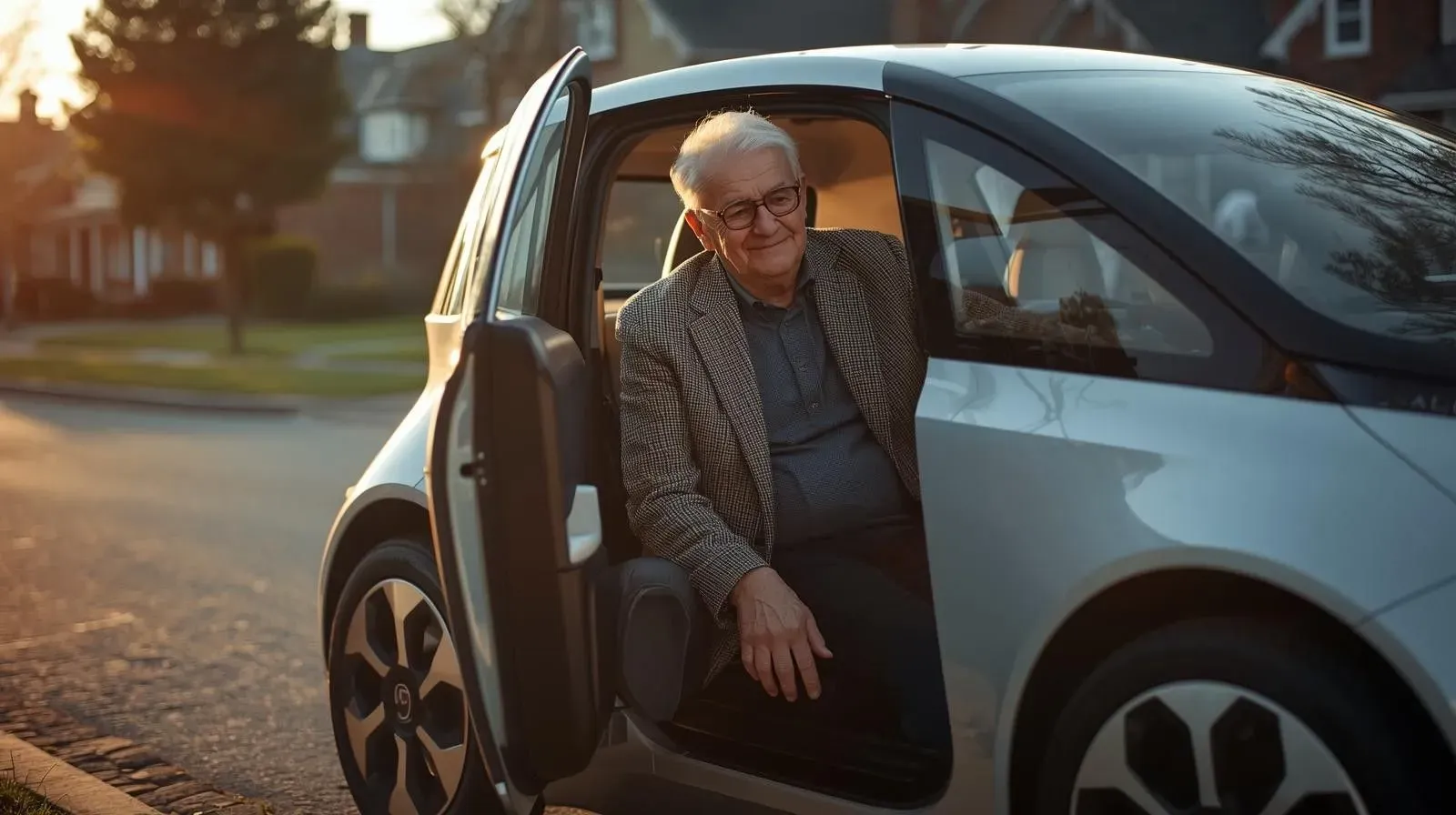
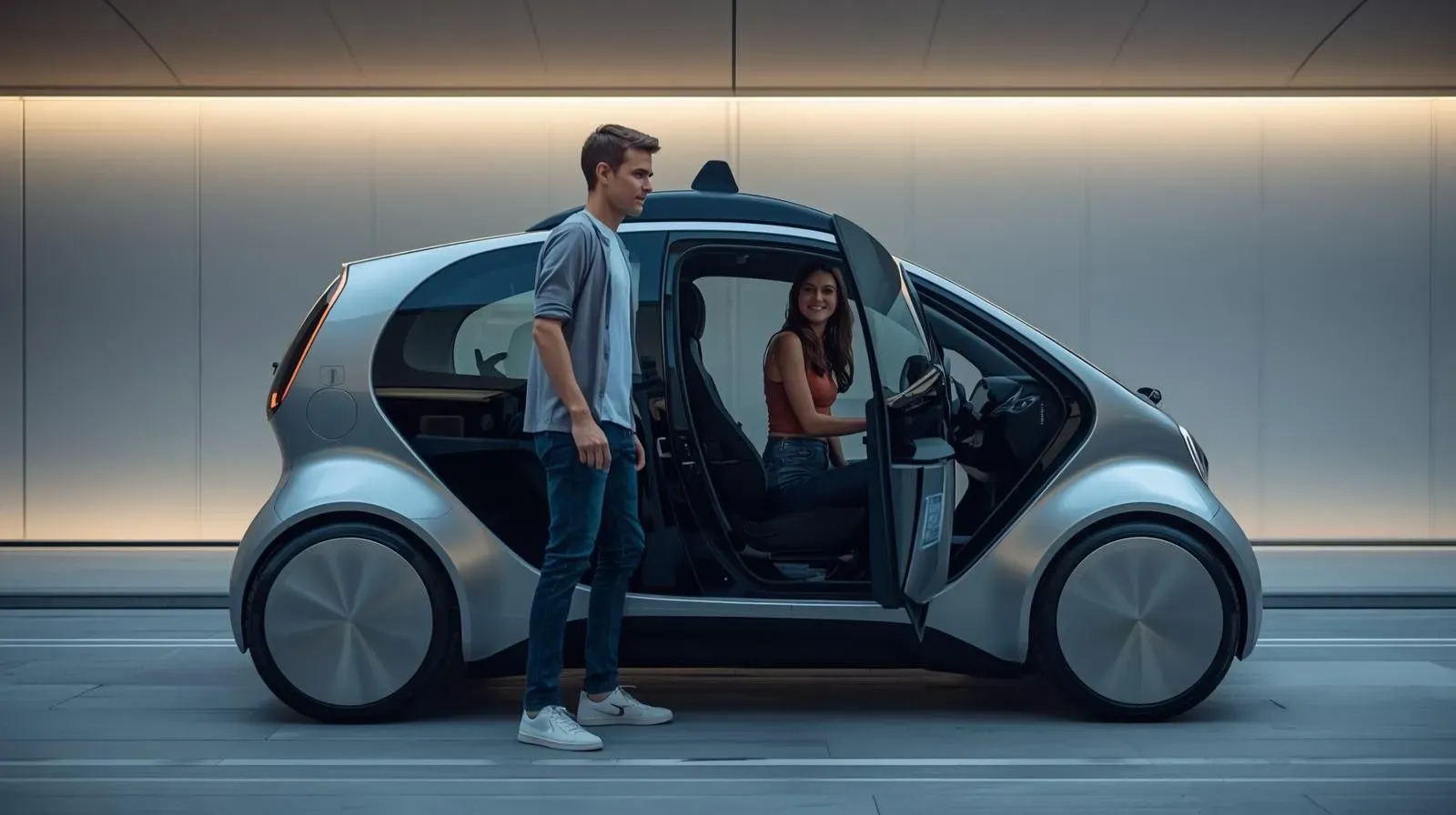
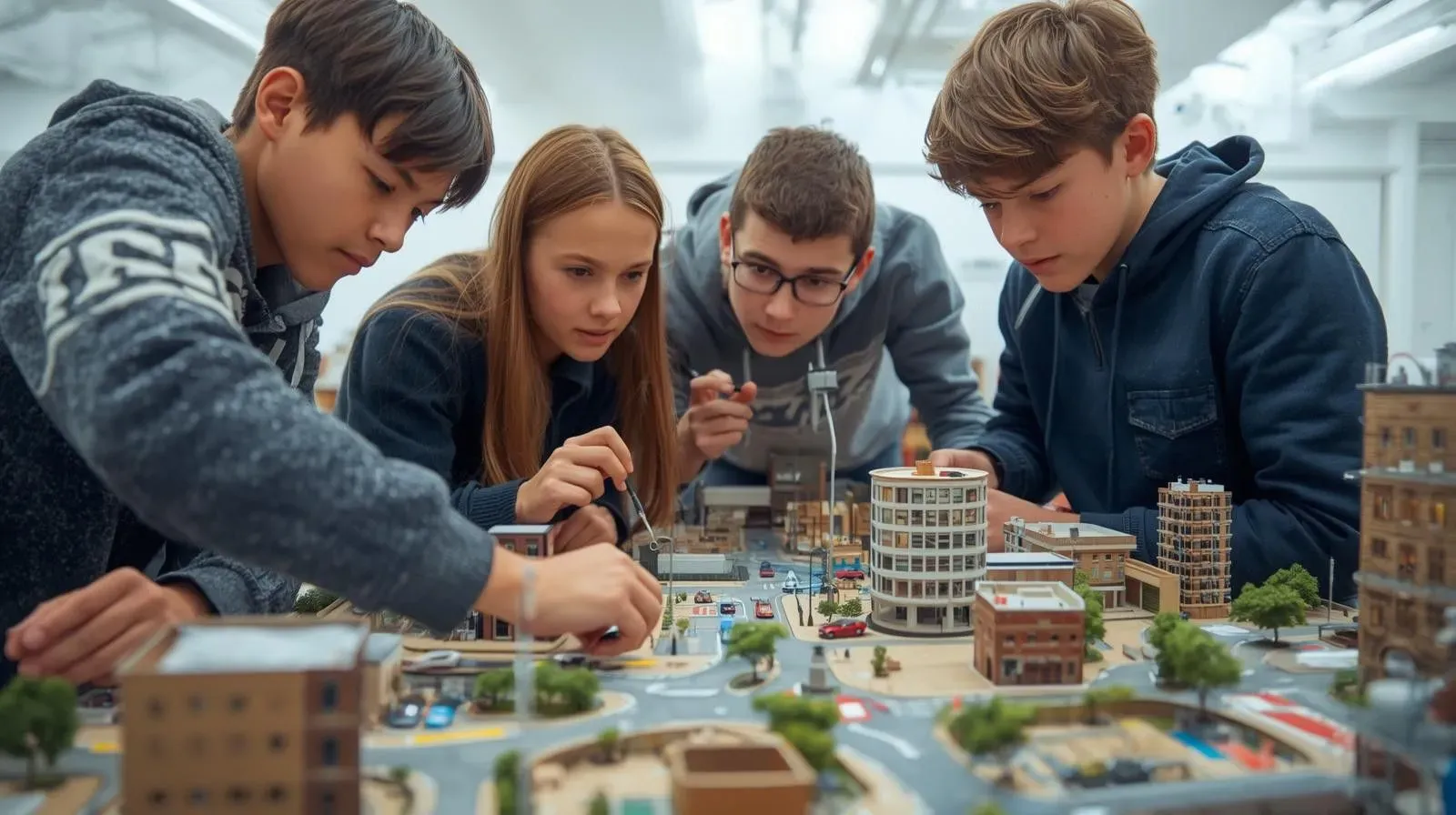
Empowering communities through sustainable, shared electric mobility.
Join the journey to innovate and inspire!
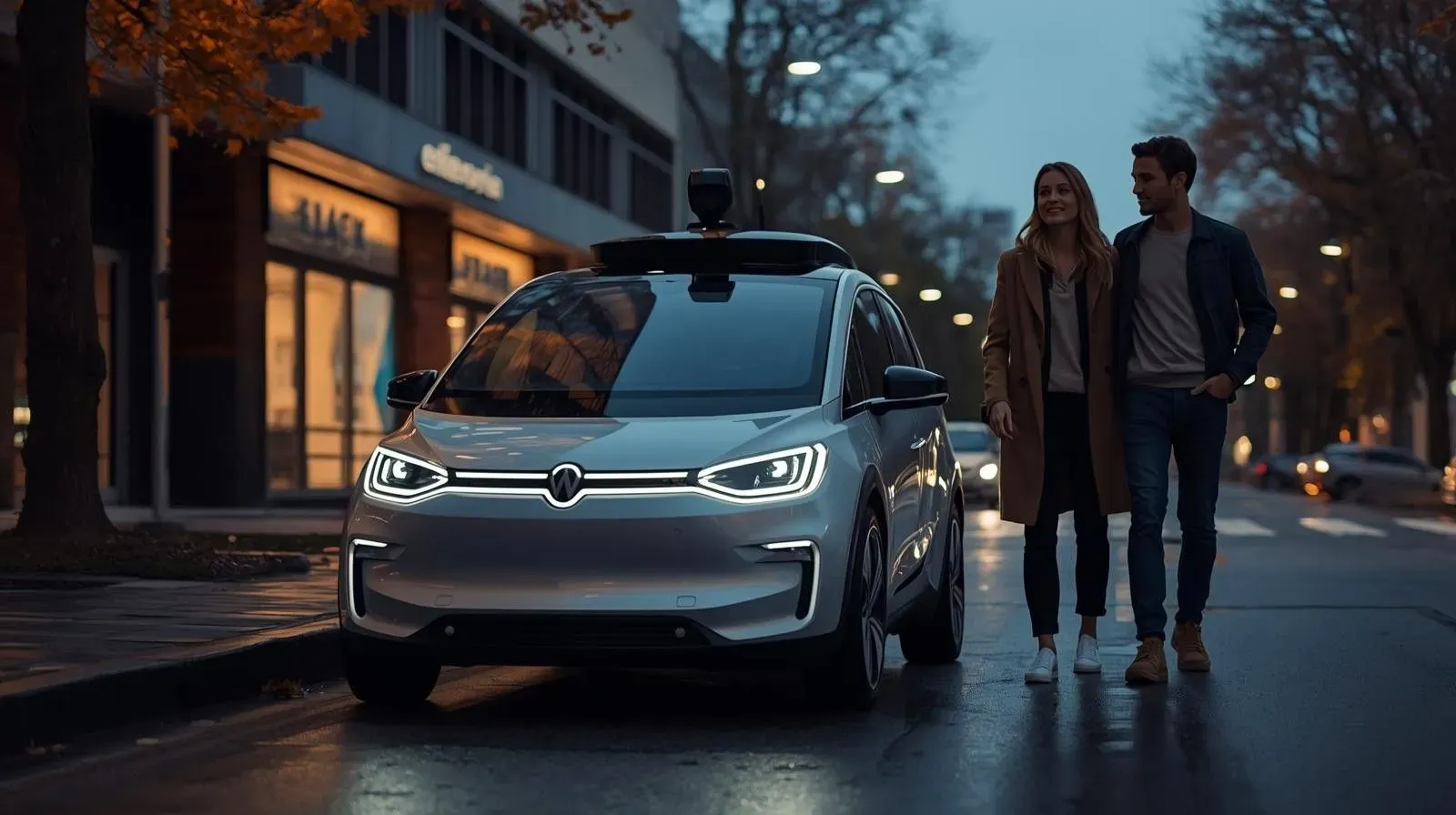
Electric Taxi System: Sustainable Urban Mobility with Community Involvement
Revolutionizing Urban Transport with Small Electric Vehicles
Stephen Bolgar is introducing an innovative electric taxi system designed to transform urban mobility. Utilizing small, efficient electric vehicles that travel along curbs following designated routes, this system offers a sustainable and convenient transportation option. Each vehicle accommodates two to four passengers, promoting ride-sharing to reduce traffic congestion and carbon emissions. The fleet is supported by strategically placed small charging stations equipped with canopy solar panels, ensuring continuous, green energy-powered operations throughout the day.
Community-Centered Approach to Sustainable Innovation
What sets Stephen Bolgar’s electric taxi system apart is its strong emphasis on community involvement and education. The program actively encourages participation from children in local community groups, schools, and high schools, engaging them in S.T.E.A.M. (Science, Technology, Engineering, Arts, and Mathematics) projects related to the system. This hands-on learning experience fosters a deeper understanding of sustainable technologies and empowers the younger generation to contribute creatively and practically to the project’s success.
Building a Skilled Local Workforce for the Future
By involving the community in building, maintaining, and upgrading the electric taxi system, Stephen Bolgar ensures the development of a knowledgeable and skilled local workforce. This approach not only supports ongoing innovation and system improvements but also creates educational and employment opportunities within the area. The result is a self-sustaining urban transit solution that benefits the environment, enhances mobility, and strengthens community ties through active participation and education.
Related Reference
Self-driving electric car taxi systems are a form of autonomous ride-hailing that use a fleet of electric vehicles, a mobile app for summoning rides, and artificial intelligence to operate without a human driver. Companies like Waymo and Tesla are major players in this evolving industry, with services already available in select cities, aiming to provide a safer, more affordable, and more sustainable transportation option.
You can watch this video to learn more about Elon Musk's driverless taxis and Tesla's vision for the future of transportation:
58s
ABC News
YouTube · Jun 23, 2025
How they work
Navigation: The vehicles use a combination of sensors (LiDAR, radar) and cameras to perceive their environment, while also relying on highly detailed maps and AI to navigate and plan a safe route.
Ride hailing: Users typically summon a vehicle through a dedicated mobile app, similar to other ride-sharing services.
Electric power: These systems are designed to use electric vehicles, which is beneficial for short-distance taxi services like those typically used in urban areas, notes The Renewable Energy Institute.
Passenger experience: The passenger experience includes features like a screen in the car showing the route and the ability to contact rider support through the app. Users may need to go to specific pickup points, and the vehicle will wait for a short time, explains this YouTube video.
Key players and services
Waymo: A leader in the autonomous vehicle space, Waymo operates a public-facing ride-hailing service in multiple cities, including San Francisco and Tokyo.
Tesla: Tesla has launched a robo-taxi service and has a longer-term vision for its "Cybercab," with an initial focus on services for a select group, according to this YouTube video and their website.
Other competitors: Other companies in the autonomous vehicle sector include Gatik, May Mobility, Pony.ai, and WeRide, notes CB Insights.
Potential benefits and challenges
Benefits: Self-driving taxis could lower transportation costs by eliminating the need for a human driver and could become a more popular form of transportation-as-a-service, says Wikipedia.
Challenges: Potential challenges include job displacement for professional drivers and questions of operator liability in the event of an accident. While Waymo has been operating for some time, there have been reported incidents, and the cost of rides can be higher than traditional ride-sharing, as seen in reports on TechCrunch and from DiMarco | Araujo | Montevideo.
Frequently Asked Questions
How does the ride-sharing aspect work?
Passengers traveling along similar routes can share rides in the small electric taxis, which helps reduce costs and environmental impact while maximizing vehicle usage.
How can someone get involved or support the project?
Community members can participate by joining educational programs, volunteering for maintenance and upgrades, or supporting through donations and advocacy.
Are there any costs associated with using the electric taxi service?
The pricing model aims to be affordable and accessible, with potential subsidies or community funding to keep costs low or free for users.
What is the role of community groups and schools in this project?
Children from community groups, local schools, and high schools are encouraged to participate by learning and building various S.T.E.A.M. projects related to the system. This involvement helps foster education and community ownership of the project.