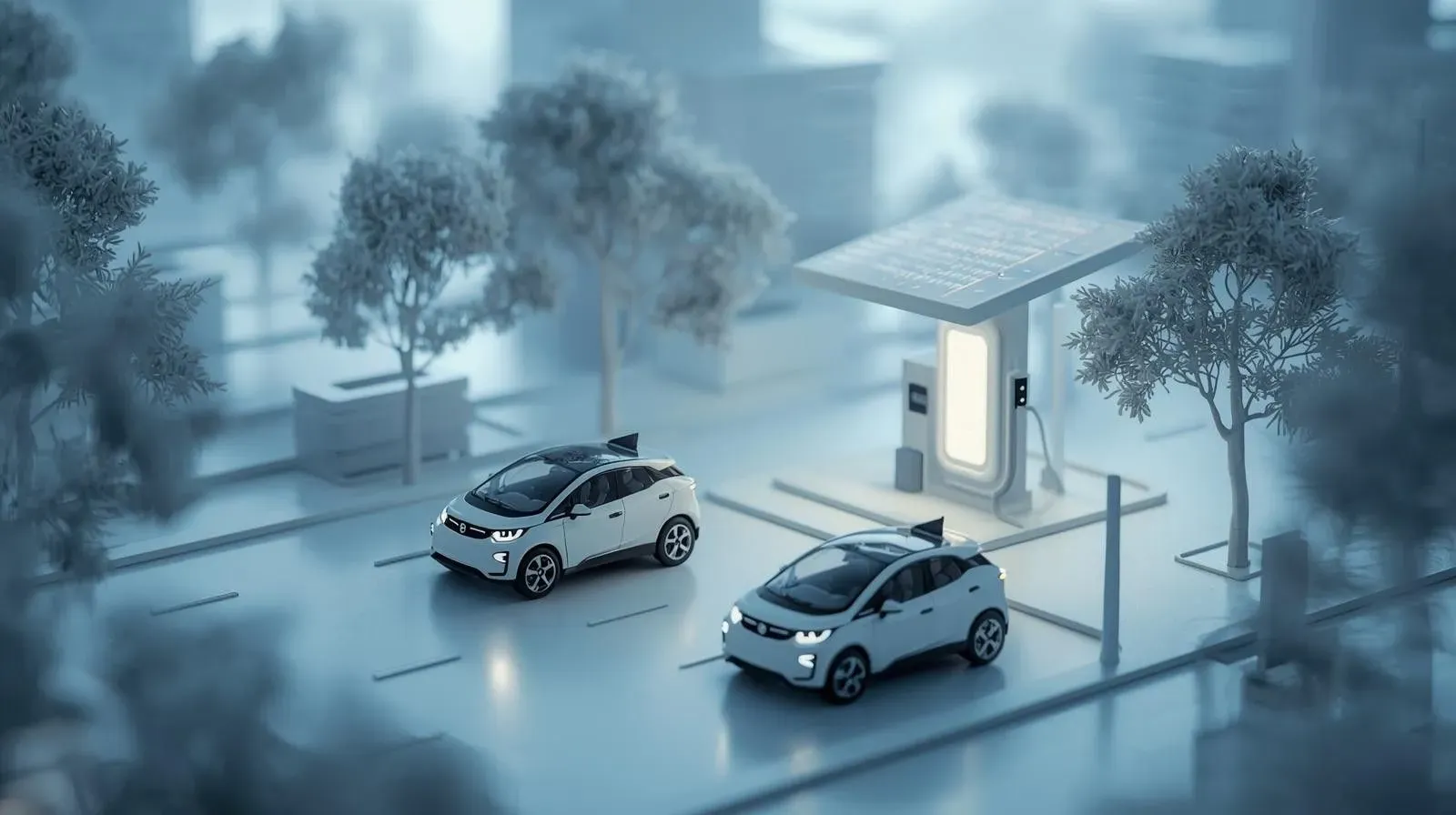
Discover how Stephen Bolgar's electric taxi system uses small vehicles and solar-powered charging stations to provide shared rides along designated routes. Learn how community involvement through S.T.E.A.M. projects empowers local youth to build, maintain, and upgrade the fleet for a sustainable future. Join us in creating an innovative, eco-friendly transportation solution.
Overview
Preliminary system analysis and criteria for closed loop transit integration
Setting up an electric car transit grid in a city involves collaborating with local utilities, identifying strategic charging station locations, assessing existing grid capacity, potentially upgrading infrastruture, and implementing smart charging technologies to manage power demand while ensuring convenient acess to charging for electric vehicles system throughout the city; key steps include:
conducting a feasibility study, securing permits, partnering with utilities, installing charging stations along the system and tying it together for use for other electric vehicles in the city in high-traffic areas like parking garages and public transportation hubs, and developing user-friendly payment systems to facilitate widespread adoption of electric vehicles.
Key Considerations:
Grid Assessment:
Analyze current grid capacity to identify potential bottlenecks and areas requiring upgrades.
Work with local utilities to understand power availability and distribution network limitations.
Look at adopting solar charging and other environmentally friendly charging systems on the vehicle or a long the transportation route.
Charging can be a dual use not only on the loop system but adjoining parking charging areas along the system to augment cheat charging for the system thus creating a dual use for other electric vehicles in the city
Site Selection:
Major considerations for useful transportation to be used for neighborhoods to services and other areas of the city
The system will create small loops that will integrate the system into one cohesive city
Identify strategic locations for charging stations, prioritizing high-traffic areas like commercial districts, public transportation hubs, and major roadways.
Consider accessibility, parking availability, and proximity to existing power lines.
Reliance on solar and other charging systems to reduce grid demand should reduce sight impacts and selection
Major considerations for useful transportation to be used for neighborhoods to services and other areas of the city
Charging Station Types:
Determine the appropriate mix of charging station types based on usage needs, including Level 1 (slow), Level 2 (moderate), and DC Fast Charging (rapid). Major reliance on solar and other environmentally friendly charging systems for the majority of system demand
Determinations of augmented systems will be understood more through the development of the LifeCell electric vehicle itself
Infrastructure Development:
Need and feasibility studies from each neighborhood done comprehensively with walkthroughs to neighborhoods town halls and other meetings so that participation can be complete and create a cohesive and realistic approach to the needs of the community
Secure necessary permits and approvals from relevant authorities.
Coordinate with property owners and landlords for installation on private land.
Implement necessary electrical upgrades to support the new charging load.
Smart Charging Technology:
Utilizing solar charging for the majority of system energy demand
Utilize smart charging systems to manage power demand by optimizing charging times based on grid conditions and user preferences.
Explore demand response programs to shift charging during off-peak hours.
User Interface and Payment Systems:
Develop user-friendly payment options including mobile apps, credit cards, and potentially subscription-based plans. Consideration to the elderly disabled and handicap should be a priority.
Provide clear signage and instructions in life cell and at accelery abating parking charging stations.
Stakeholder Engagement:
Collaborate with vehicle manufacturers and clean energy experts
Collaborate with local government agencies, utilities, transportation authorities, and private sector partners.
Develop public awareness campaigns to promote electric vehicle adoption and educate users about the charging infrastructure, hurricane enable transportation for everyone at a reasonable cost with great enhancement to the community
Potential Challenges:
High Initial Costs:
Installing lifecell vehicle system loops andcharging infrastructure can be expensive, requiring careful budgeting and potential funding sources.
Grid Capacity Limitations:
Existing power grids might not be able to handle a significant increase in demand from electric vehicles.
Hopefully New transportation grid wood reduce demand from electric vehicles within the city
Permitting Delays:
Obtaining necessary permits and approvals can be time-consuming. In a process to move things through in a timely and efficient manner should be developed.
User Adoption:
Encouraging widespread electric vehicle adoption requires addressing range anxiety and ensuring convenienc3 access to the system for reliable transportation to different parts of the city and to charging stations for other electric vehicles within Omaha.

Engaging Communities in Building the Future of Electric Taxi Systems
Community Involvement and Education for Electric Taxi Infrastructure in a Small City
Introduction
Developing an electric taxi infrastructure in a small city requires active community participation, education, and collaboration between local authorities, businesses, and residents. This document outlines a structured process to engage the community, raise awareness, and ensure the long-term success of an electric taxi system.
1. Initial Assessment and Planning
1.1 Feasibility Study
Conduct a city-wide assessment of transportation needs and energy capacity.
Identify potential charging station locations based on taxi routes and high-demand areas.
Evaluate existing infrastructure for compatibility with electric vehicle (EV) technology.
1.2 Stakeholder Identification
Local government and transportation departments
Taxi companies and drivers
Utility providers and renewable energy suppliers
Environmental organizations and community groups
Educational institutions and technical schools
2. Community Engagement
2.1 Public Consultations
Host town hall meetings to present the project’s goals and gather feedback.
Use surveys and online platforms to collect opinions on proposed locations and services.
Encourage open dialogue to address concerns about cost, accessibility, and environmental impact.
2.2 Formation of a Community Advisory Board
Include representatives from key stakeholder groups.
Provide a platform for ongoing communication and decision-making.
Ensure transparency in project updates and budget allocation.
3. Education and Awareness Campaigns
3.1 Public Education Programs
Launch campaigns explaining the benefits of electric taxis, such as reduced emissions and lower noise pollution.
Create informational materials (brochures, videos, infographics) distributed through schools, libraries, and social media.
Organize demonstration events showcasing electric taxi models and charging technology.
3.2 Driver and Operator Training
Offer workshops on EV maintenance, charging procedures, and energy-efficient driving.
Partner with local technical schools to develop certification programs for EV mechanics.
Provide incentives for drivers transitioning from traditional taxis to electric vehicles.
4. Infrastructure Development
4.1 Charging Network Installation
Collaborate with utility companies to install fast-charging stations in strategic locations.
Ensure accessibility for all drivers, including 24-hour availability and clear signage.
Integrate renewable energy sources such as solar panels where possible.
4.2 Maintenance and Monitoring
Establish a maintenance schedule for charging stations and vehicles.
Implement a digital monitoring system to track usage, performance, and energy consumption.
Encourage community reporting of issues through a mobile app or hotline.
5. Incentives and Partnerships
5.1 Financial Incentives
Provide subsidies or tax breaks for taxi operators purchasing electric vehicles.
Offer discounted electricity rates for registered electric taxi drivers.
Create a city grant program to support small businesses involved in EV services.
5.2 Public-Private Partnerships
Partner with local businesses to sponsor charging stations.
Collaborate with technology firms for data analytics and smart grid integration.
Engage universities for research on sustainable transportation solutions.
6. Continuous Community Involvement
6.1 Feedback and Evaluation
Conduct regular surveys to assess public satisfaction and identify improvement areas.
Hold quarterly community meetings to review progress and share updates.
Adjust strategies based on feedback and technological advancements.
6.2 Educational Continuity
Integrate EV education into school curricula to promote long-term awareness.
Support local innovation challenges focused on green mobility solutions.
Celebrate milestones through community events and recognition programs.
Conclusion
A successful electric taxi infrastructure depends on sustained community involvement, transparent communication, and continuous education. By fostering collaboration among residents, businesses, and government entities, a small city can build a cleaner, more efficient transportation system that benefits both the environment and the local economy.