Discover how Stephen Bolgar's innovative electric taxi system uses small vehicles for shared rides along curbside routes. Learn about the solar-powered charging stations and community-driven S.T.E.A.M. projects that empower local youth to maintain and enhance the fleet. Join us in building a sustainable, educational, and community-focused transportation solution.
S.T.E.A.M.
STEAM project on electric vehicles (EVs).... you will need to assemble a local team, secure funding, choose a curriculum and project, and build a network of community partners. Options range from building EV go-karts and participating in competitions to creating smaller-scale educational models.
Phase 1: Planning and preparation
Form a local action team. Gather a diverse team of stakeholders, including teachers, administrators, parents, community members, and volunteers. This team will define the program's specific goals, curriculum requirements, timeline, and budget.
Assess community needs. Conduct surveys among students, teachers, and parents to determine the most desired type of STEAM programming. Examine existing school performance data to establish a baseline for measuring your program's success.
Define your focus. Decide if the project will be an in-school elective, an after-school club, a maker workshop, or a competitive team. Consider your participants' age range (middle school, high school, or mixed) when planning.
Phase 2: Choose and implement your project
Project-based learning kits: Commercial programs offer hands-on, problem-based curricula where students build and operate functional electric vehicles.
Legacy EV's Innovators Club: For middle schoolers, this program provides educators with lesson plans and materials for students to design, build, and race electric go-karts.
Switch Vehicles: Students can assemble a street-legal electric car with a curriculum covering circuitry, mechanics, and energy management.
Competitions: Engaging in team-based challenges is a fun way to apply STEAM skills.
Greenpower USA: Offers a curriculum where students design and build single-seat electric cars for competition.
Advanced Vehicle Technology Competitions (AVTC): These collegiate programs also engage with K-12 students through educational events.
Educational models and tabletop kits: For a lower-cost entry point, students can build miniature projects using simple materials.
DIY mini electric car: Can be constructed from cardboard, straws, bottle caps, and a small motor.
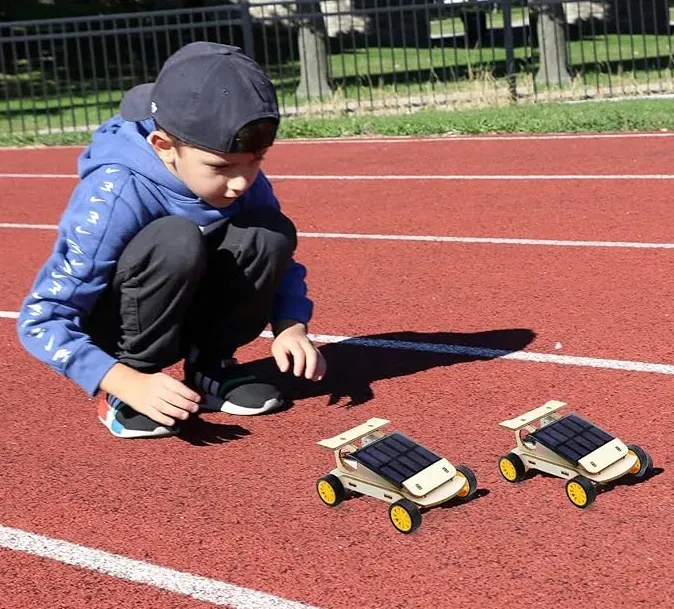
Solar-powered cars: Students can design a vehicle and a solar charging station while analyzing the effects of different weather conditions on performance.
Advanced systems projects: For older or more advanced students, explore specific EV technologies.
Wireless charging: Investigate how to create dynamic or stationary wireless charging systems for EVs.
Robotics in manufacturing: Explore how robotics are used on an assembly line to build cars.
Vehicle-to-grid (V2G) systems: Develop a presentation or model to explain how EVs can send energy back to the power grid.
Phase 3: Secure funding
Federal and state grants: Search government funding databases for opportunities related to STEAM education, alternative fuel vehicles, and infrastructure. Examples include programs from the National Science Foundation (NSF) and the Joint Office of Energy and Transportation.
Corporate and foundation grants: Many private companies and foundations offer STEAM grants.
Toyota USA Foundation: Supports education programs related to the environment, education, and vehicle safety.
Electrify America: Has invested in STEAM and workforce development programs related to zero-emission vehicles.
Walmart Community Grant Program: Local grants are available for community organizations and schools.
Educational partners: Look for grants from organizations that specialize in educational programs.
Project Lead The Way (PLTW): Provides grants to help schools implement their STEAM curricula.
Technical Training Aids (TTA): Offers funding for EV technology lab equipment.
Phase 4: Engage the community
Build a STEAM ecosystem: Partner with local businesses, colleges, science museums, libraries, and community organizations to expand your program.
Invite local professionals: Connect with engineers, mechanics, and other experts from the automotive and tech sectors to serve as guest speakers or mentors for the students.
Host events: Organize public events like science fairs, EV showcases, or competitions to display the students' work and generate community excitement.
Phase 5: Connect to career opportunities
To ensure students see the real-world value of their projects, incorporate discussions about career paths in the EV industry, such as automotive engineering, battery technology, and charging infrastructure.
Consider integrating credentials like the Electric Vehicle Fundamentals (EVF) Certification from SME, which can help students prepare for entry-level positions in the EV industry after high school. To start a STEAM project on electric vehicles (EVs), you will need to assemble a local team, secure funding, choose a curriculum and project, and build a network of community partners. Options range from building EV go-karts and data to establish a baseline for measuring your program's success.
Education for the Future
Early Development of the Basics
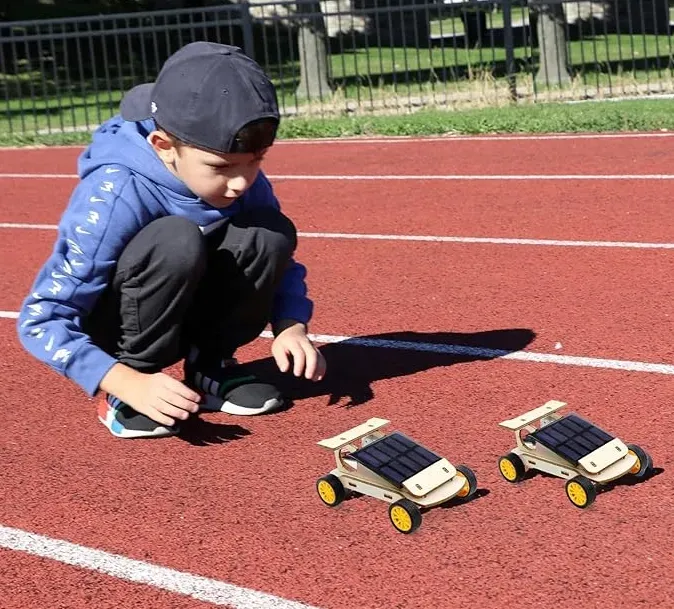
Offer training programs to equip the next generation of local workers with skills to maintain, repair, and upgrade the electric taxi fleet and charging stations.
Sustainability Education Programs
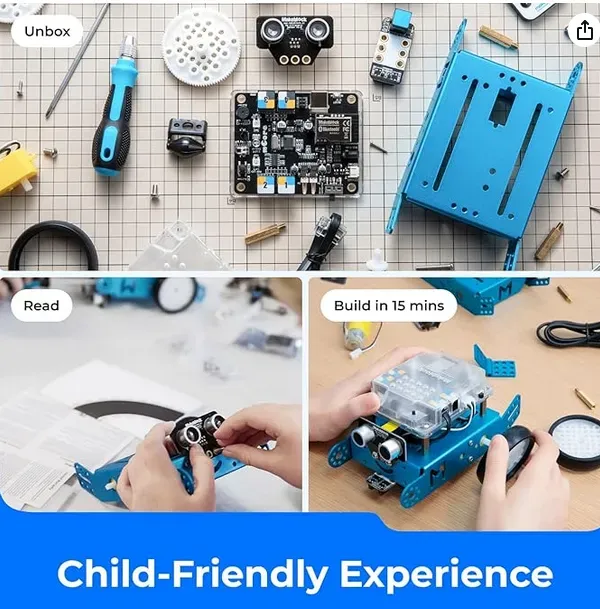
Develop educational content and events to raise awareness about renewable energy, electric transportation, and environmental impact.
Learning the Future in real time
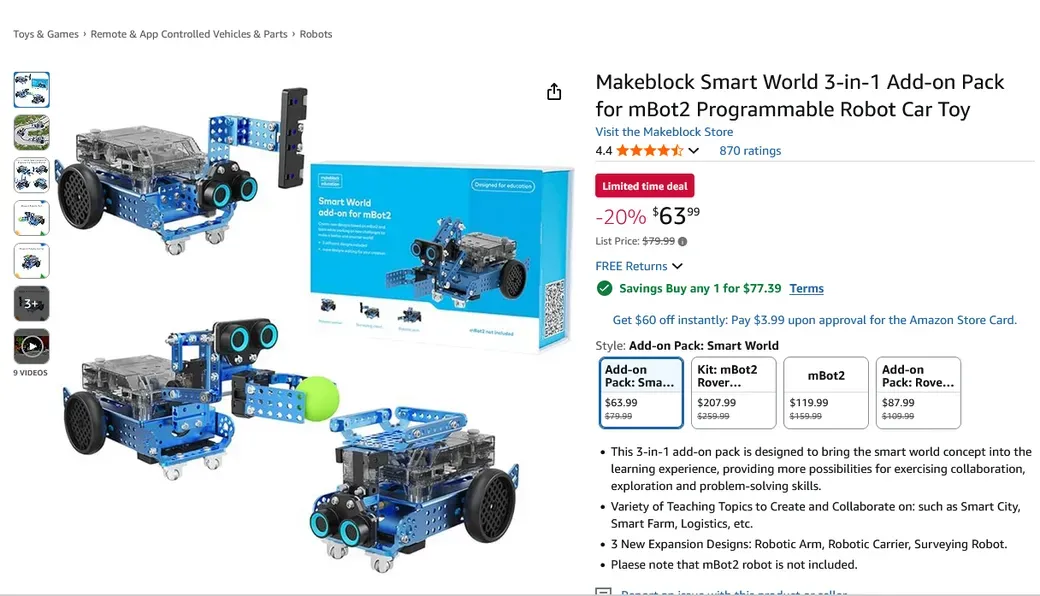
Facilitate the process with easy to build projects that foster a growing knowledge.
Community STEAM Workshops
Organize hands-on workshops for children and community members to engage in STEAM projects related to electric taxi technology and sustainability.
Route Planning and Optimization
Design and optimize taxi routes to maximize efficiency and passenger convenience using data-driven approaches.
Electric Vehicle Safety Training
Provide safety training sessions for passengers and operators to ensure safe use of the electric taxi system.
electric taxi system

Community-Driven Electric Taxi Innovation
Explore how Stephen Bolgar's electric taxi system empowers communities by combining sustainable transportation with hands-on S.T.E.A.M. education. Join us in building the future of shared urban mobility with solar-powered vehicles and local involvement.
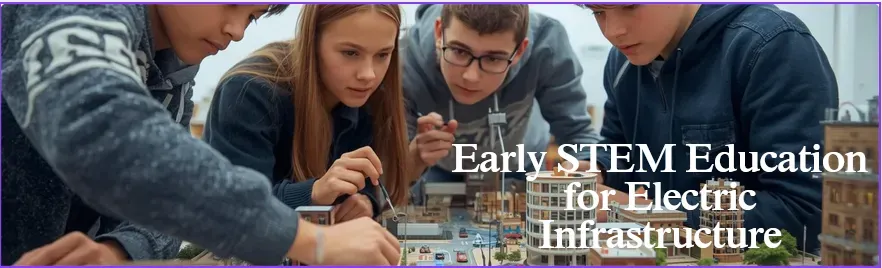
Community-Driven Innovation: The Future of Electric Taxi Systems
S.T.E.A.M. , Electric Taxi Design and Operation
Introduction
The transition to electric vehicles (EVs) represents a pivotal shift towards sustainable urban transportation. For a small city, embracing electric taxi fleets offers significant environmental and economic advantages. However, successful implementation requires a skilled workforce capable of developing, maintaining, and advancing the necessary infrastructure. This article explores how integrating Science, Technology, Engineering, Arts and Mathematics (S.T.E.A.M.) education into early learning programs can strategically prepare our youth to meet the future demands of an electric taxi car infrastructure.
The Foundation: STEAM in Early Education
Early exposure to S.T.E.A.M. concepts fosters critical thinking, problem-solving abilities, and a passion for innovation – skills essential for future engineers and technicians. Introducing basic electronic principles, such as circuits, conductivity, and energy storage, through age-appropriate S.T.E.A.M. projects can lay a strong foundation for understanding EV technology.
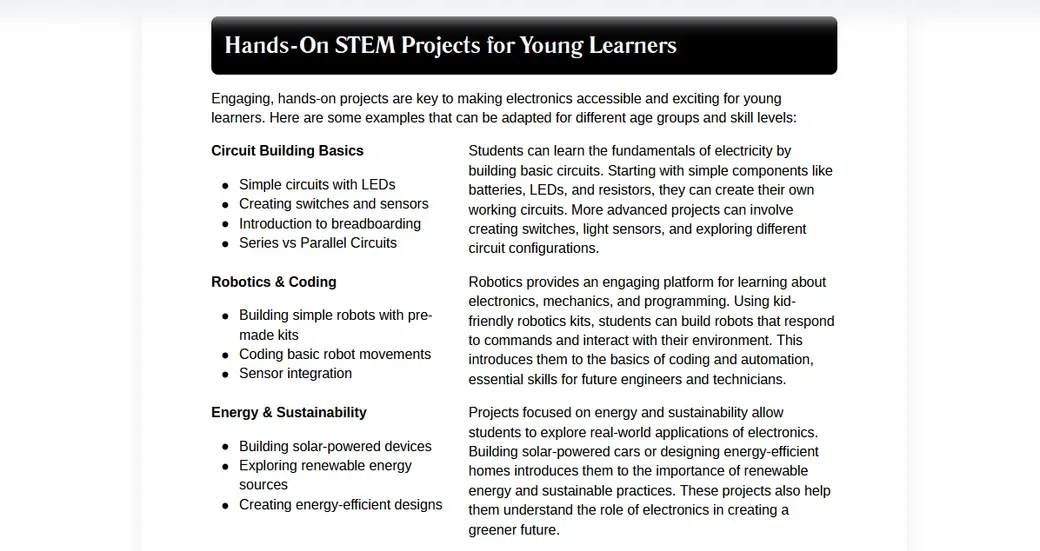
Building simple circuits with batteries, wires, and LEDs.
Exploring the concepts of energy and motion through constructing model cars.
Using computer programming to control robotic car movements.
Designing and testing small scale solar powered models.
Connecting STEAM Education to Electric Vehicle Infrastructure
The skills acquired through early S.T.E.M. education directly translate into the competencies needed to support an electric taxi car infrastructure. Here's how:
Electrical Engineering: Understanding circuit design and power distribution is crucial for developing and maintaining charging stations.
Battery Technology: Knowledge of energy storage, battery management systems, and charging protocols is essential for optimizing EV performance and lifespan.
Software Development: Programming skills are necessary for developing software to monitor charging station usage, manage energy consumption, and optimize fleet operations.
Data Analysis: Analyzing data from EVs and charging stations can help identify trends, improve efficiency, and predict maintenance needs.
Mechanical Engineering: Expertise in mechanics and design is required for maintaining the vehicles themselves.
Key Infrastructure Components:
Charging Stations
Battery Management Systems
Power Distribution Networks
EV Maintenance Facilities
Data Monitoring Systems
These infrastructure components depend on highly skilled technicians and engineers to ensure their reliability and efficiency. Early S.T.E.A.M. education provides the fundamental understanding and problem-solving skills needed to effectively work with these systems, making this generation ready to sustain the future electric grid in the city.
A Strategic Approach to Integration
To effectively integrate S.T.E.M. education into early learning programs, a multi-faceted approach is required:
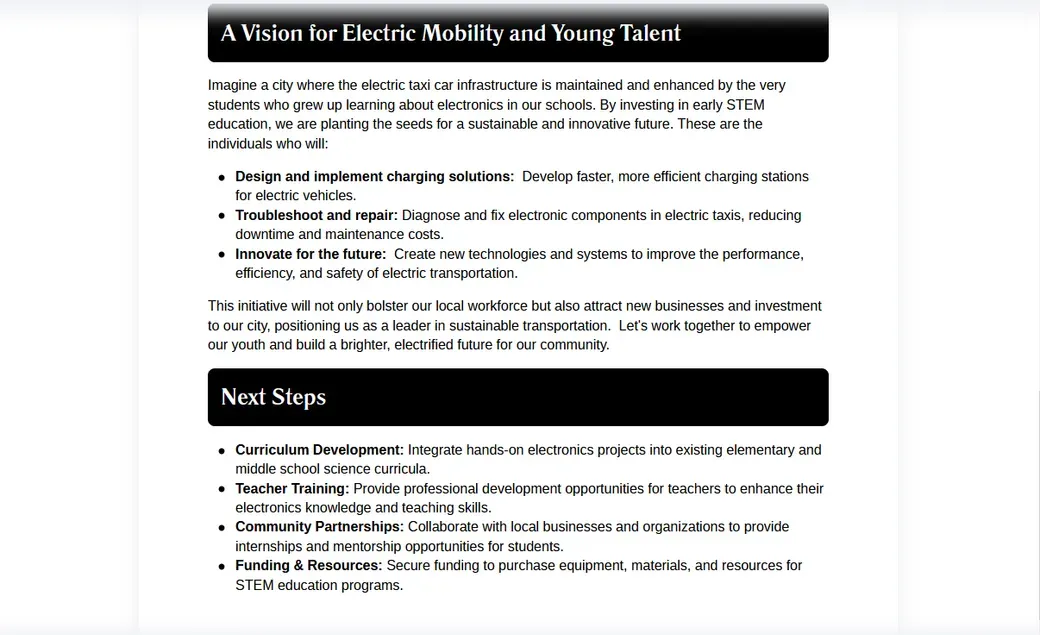
Curriculum Development: Develop age-appropriate S.T.E.M. curriculum that incorporates hands-on activities, real-world applications, and project-based learning.
Teacher Training: Provide teachers with professional development opportunities to enhance their S.T.E.M. knowledge and pedagogical skills.
Community Partnerships: Collaborate with local businesses, universities, and research institutions to provide students with access to resources, mentorship, and real-world experiences.
Infrastructure Investment: Invest in resources, such as technology, lab equipment, and learning materials, that will allow students to explore S.T.E.M topics practically.
Public Awareness Campaigns: Launch campaigns to raise awareness about the importance of S.T.E.M. education and its relevance to the electric vehicle industry.
Continuous Assessment: Regularly evaluate the effectiveness of the S.T.E.M. programs and make adjustments based on feedback and data.
Conclusion
Investing in early S.T.E.M. education is a strategic imperative for small cities aiming to embrace electric taxi car infrastructure. By fostering a passion for S.T.E.M. in our youth, we can cultivate a skilled workforce capable of developing, maintaining, and innovating the technologies that will drive our sustainable transportation future. This proactive approach not only ensures the successful implementation of electric vehicle infrastructure but also positions our city as a leader in innovation and sustainability, fostering economic opportunity and a higher quality of life for all residents.
Additional Ideas for Electric Taxi System

Community Engagement and Feedback Sessions
Organize regular meetings and online forums for community members to provide input, share ideas, and stay updated on the electric taxi system's progress and improvements.

Youth Internship and Mentorship Programs
Develop internship opportunities and mentorship programs connecting students with professionals to gain hands-on experience in electric vehicle technology and system management.

Smart Route Analytics and Reporting
Provide detailed analytics and reporting on route efficiency, passenger usage, and energy consumption to optimize system performance and environmental impact.