The Indian Rebellion of 1857: India's First War of Independence

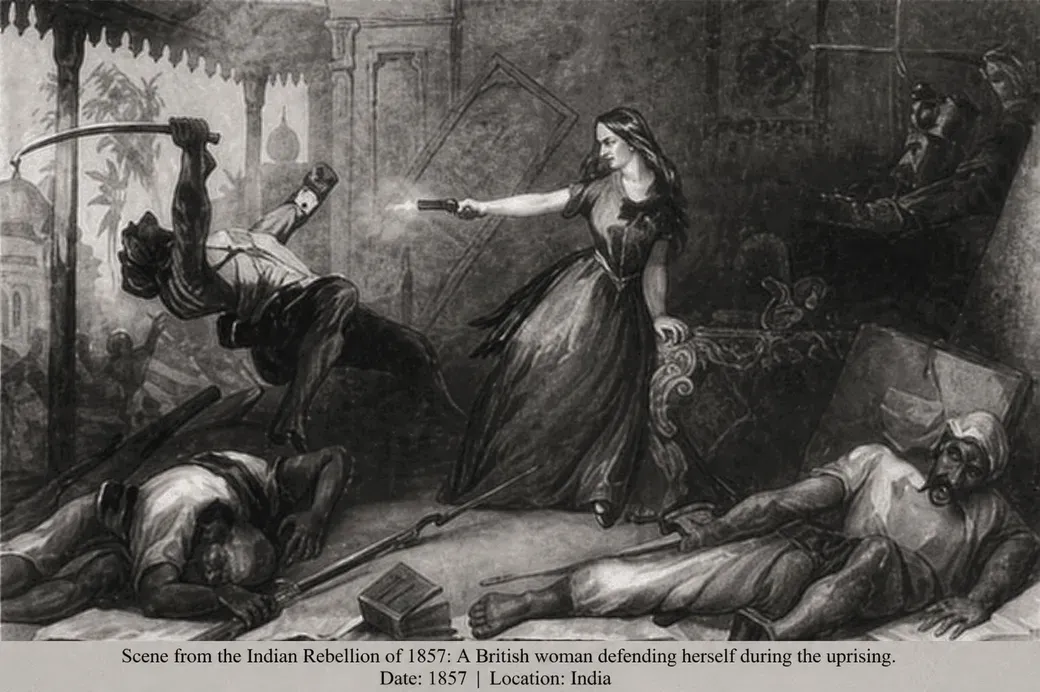
The Indian Rebellion of 1857 was a major uprising against British rule in India. It began in May 1857 when Indian soldiers, known as sepoys, revolted in Meerut due to unfair treatment, low pay, and the use of greased cartridges believed to offend Hindu and Muslim religious beliefs. The rebellion quickly spread to cities such as Delhi, Kanpur, Lucknow, and Jhansi.

Many leaders joined the movement, including Rani Lakshmibai, Bahadur Shah Zafar, Nana Sahib, Tantia Tope, and Begum Hazrat Mahal. They fought bravely against the British East India Company. Although the rebellion was eventually suppressed in 1858, it ended the rule of the East India Company, and India came directly under British Crown control.

The rebellion is remembered as the First War of Independence because it inspired future generations to continue the struggle for freedom.

Siege of Jhansi and Lucknow (1857–1858)

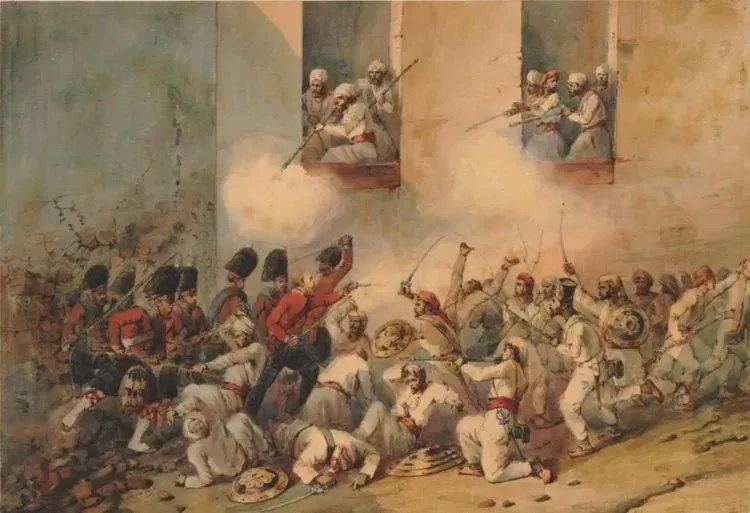
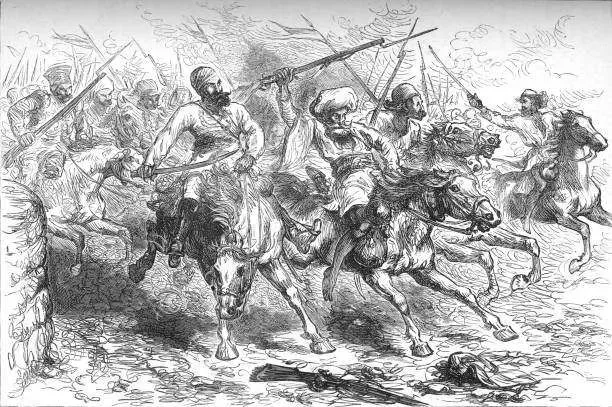
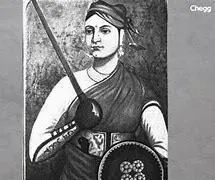
The Siege of Jhansi and Lucknow (1857–1858) was one of the fiercest phases of the Indian Rebellion of 1857. In Jhansi, Rani Lakshmibai bravely led her forces against the British and became a symbol of courage and resistance. In Lucknow, rebels fought strongly against British troops during a long siege, making the city a major center of the uprising. Both battles showed the determination of Indian leaders and soldiers to fight against British rule. Although the British eventually regained control, the resistance at Jhansi and Lucknow became legendary in India’s freedom struggle.

Revolt at Meerut (10 May 1857)

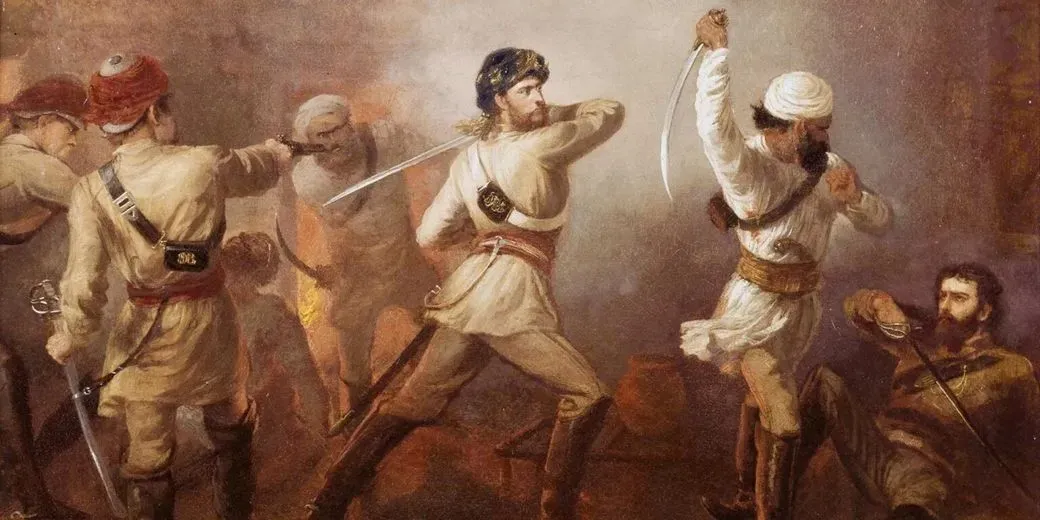
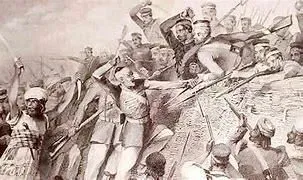
The Revolt at Meerut on 10 May 1857 marked the beginning of the Indian Rebellion of 1857. Indian sepoys stationed at Meerut were angry over unfair treatment, low salaries, and the use of greased cartridges that offended their religious beliefs. When several soldiers were punished for refusing to use these cartridges, other sepoys rose in protest. They attacked British officers, freed imprisoned soldiers, and took control of the area. After this, the rebels marched toward Delhi to continue their fight against British rule. The revolt at Meerut became the spark that started a widespread uprising across India.

Capture of Delhi (May 18570)

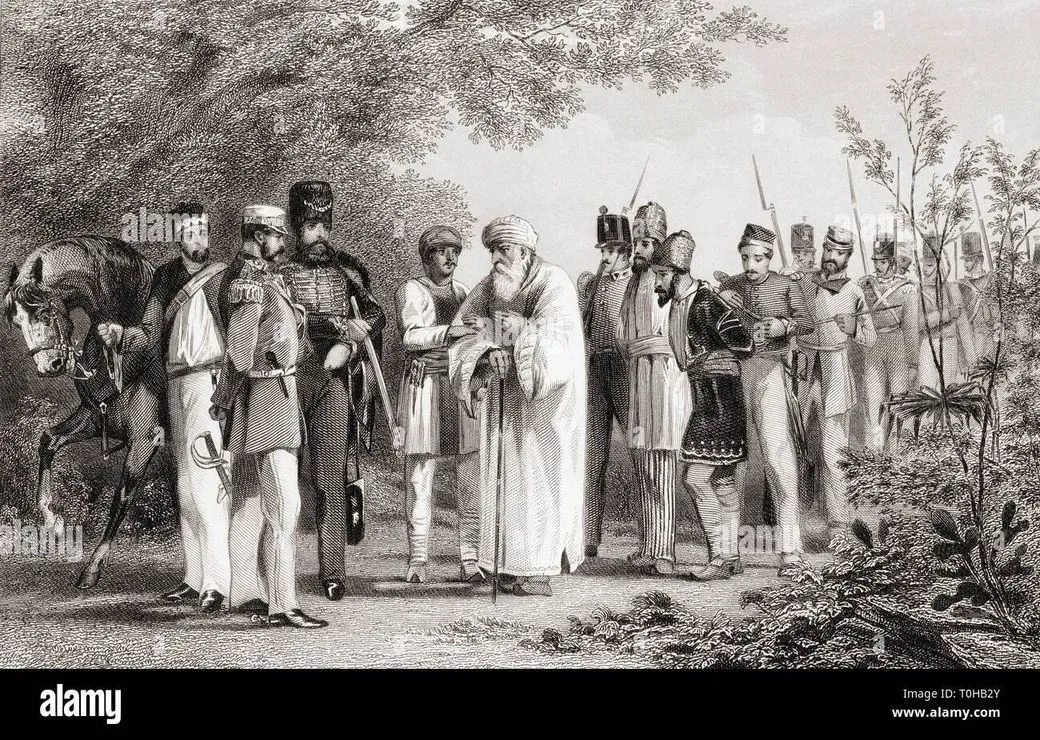
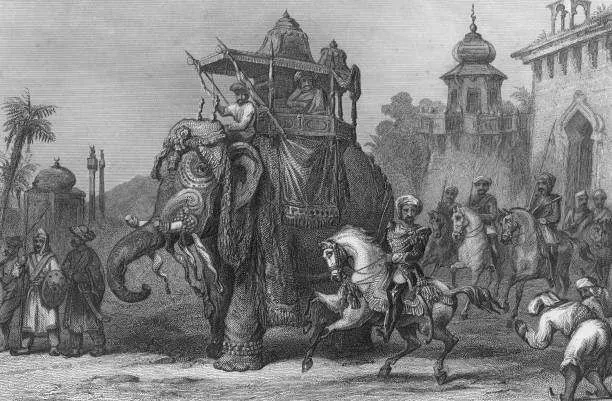
The Capture of Delhi in May 1857 was one of the most important events of the Indian Rebellion of 1857. After the revolt at Meerut, rebel sepoys marched to Delhi and entered the city on 11 May 1857. They seized control of Delhi and declared Bahadur Shah Zafar, the last Mughal emperor, as the symbolic leader of the rebellion. This gave the uprising greater unity and inspired many people across northern India to join the struggle against British rule. Delhi became the main center of resistance until British forces recaptured the city later in September 1857.

The Indian Rebellion of 1857: India’s First War of Independence

1857 Rebellion Unveiled

Video Overview of the Indian Rebellion of 1857

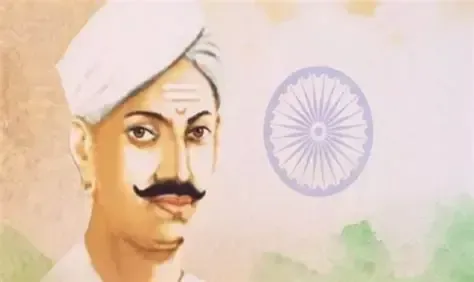
This video explains the Indian Rebellion of 1857, one of the most important uprisings against British rule in India. It describes how the rebellion began with the revolt of Indian sepoys who were unhappy with British policies, unfair treatment, and the use of greased cartridges. The uprising quickly spread to major cities such as Meerut, Delhi, Kanpur, Lucknow, and Jhansi. The video also highlights brave leaders like Mangal Pandey, Rani Lakshmibai, Nana Sahib, and Bahadur Shah Zafar, who played key roles in the struggle. Although the rebellion was eventually suppressed, it became a turning point in Indian history and inspired future movements for independence
raghav.rajput2010@gmail.com

Beginning of the Revolt

The rebellion officially began on 10 May 1857 in Meerut. Indian sepoys who had refused to use the cartridges were punished by British officers. In response, soldiers revolted, attacked British officials, and freed imprisoned comrades. They then marched to Delhi.

In Delhi, the rebels declared Bahadur Shah Zafar, the last Mughal emperor, as their leader. This gave the rebellion a sense of unity and encouraged many people across northern India to join the uprising.