Paper Process Applications
Application Experience
Invista-Sensors, based in the UK, has supplied measurement sensors and systems for almost 30 years. We have covered many different applications throughout mills in Europe and North America. Invista started working with low consistency measurement but soon purchased streaming current technology and developed an on-line charge demand measurement. The combination of charge and consistency provides an early indication of changing machine conditions and is a key to machine stability. With experience from many cost-effective installations we can manage ; automated cleaning, simple calibration and easy maintenance.
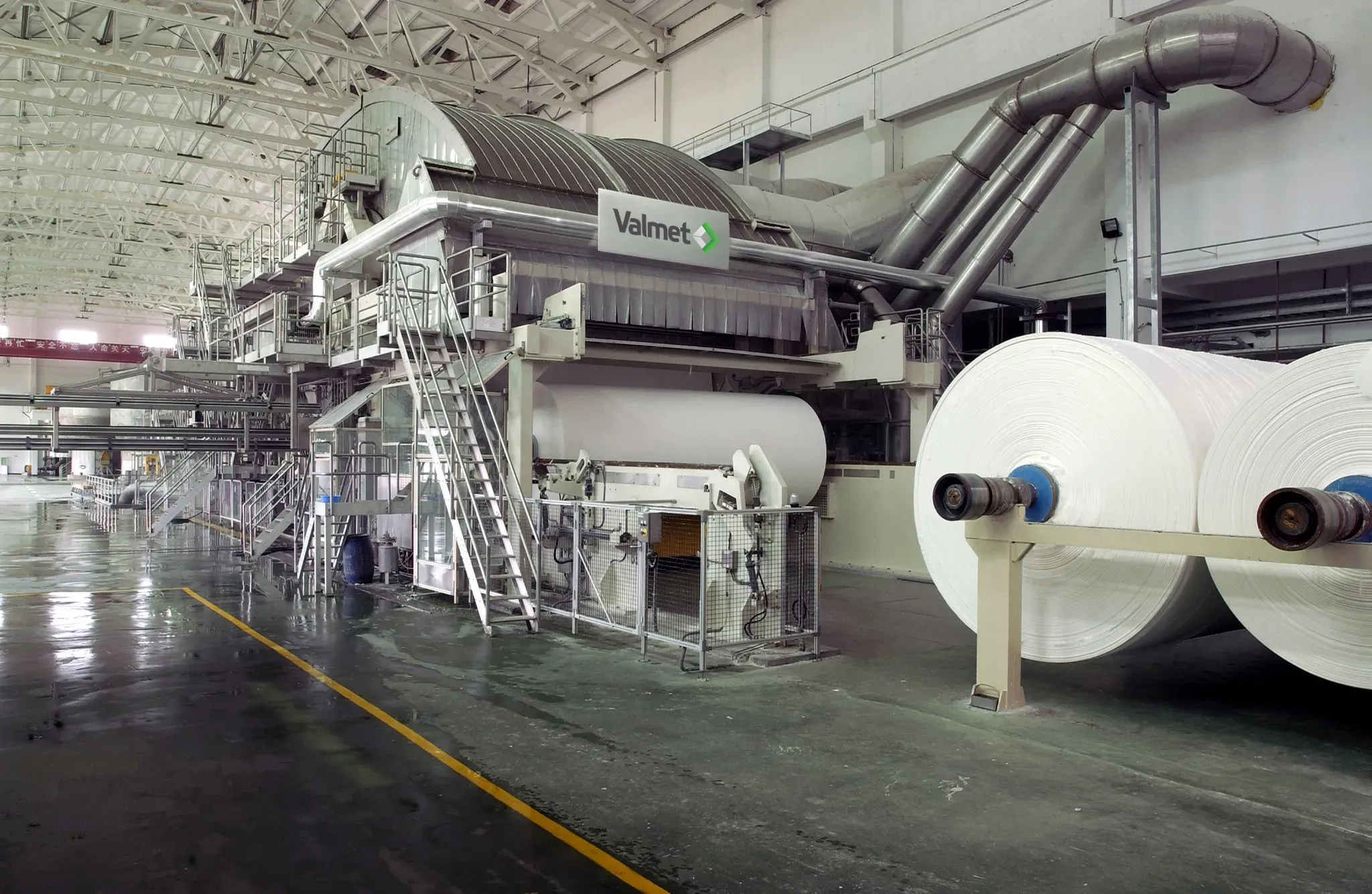
Tissue and Toweling
For these Tissue grades, the pulp furnish, as well as the addition of strength additives and stickies control agents, can affect the charge level. The goal is to maintain the charge within an operational window to prevent it from shifting to a cationic state. A balanced charge level ensures optimal chemical efficiency and within-specification strength properties.
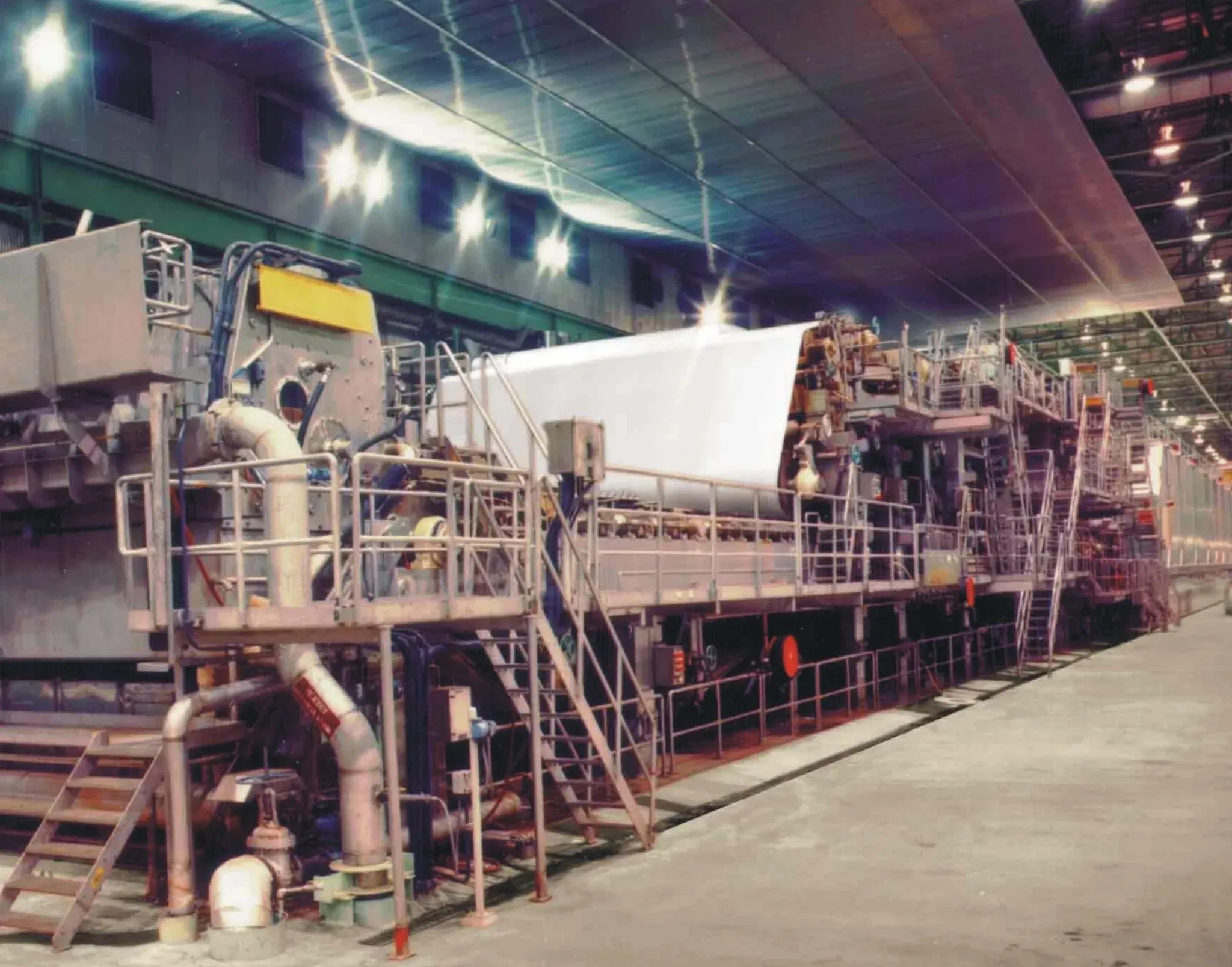
Linerboard and Fluting
To maximise output, the process runs at an elevated process temperature and functional chemical performance can be effected. A combination of tray solids measurement and background chemistry (charge) allows the wet end to be stabilized and efficiency raised. Headbox consistency measurement gives an indication of retention and the operation of thinstock consistency within limits.
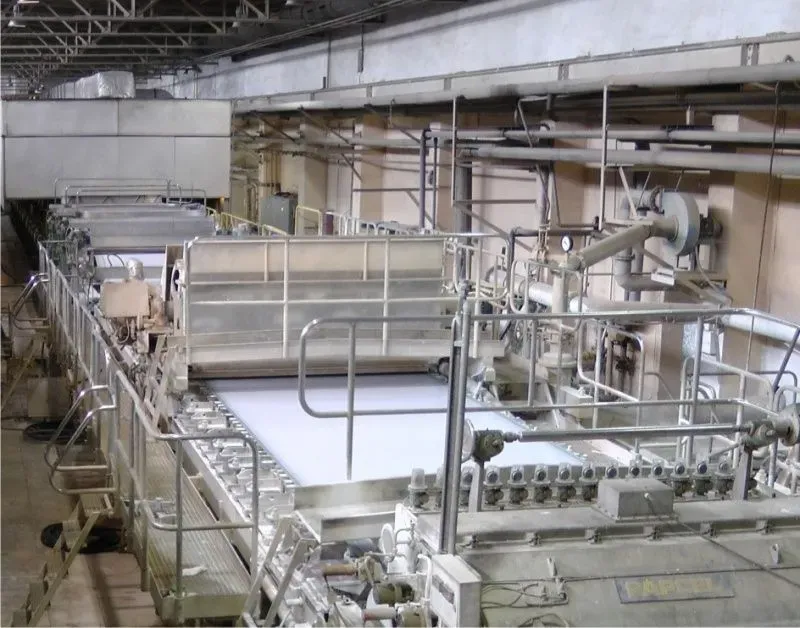
Fine, Specialty & Multi-ply Board Grades
Characterized by small order runs, grade changes and added value grades, Fine paper qualities rely on functional chemistry to meet tight order specifications. Added value grades can be difficult to achieve without a continuous measurement of retention and charge conditions. Specialty and Multi-Ply Board grades also benefit from these wet end measurements.
Water Recovery and Treatment
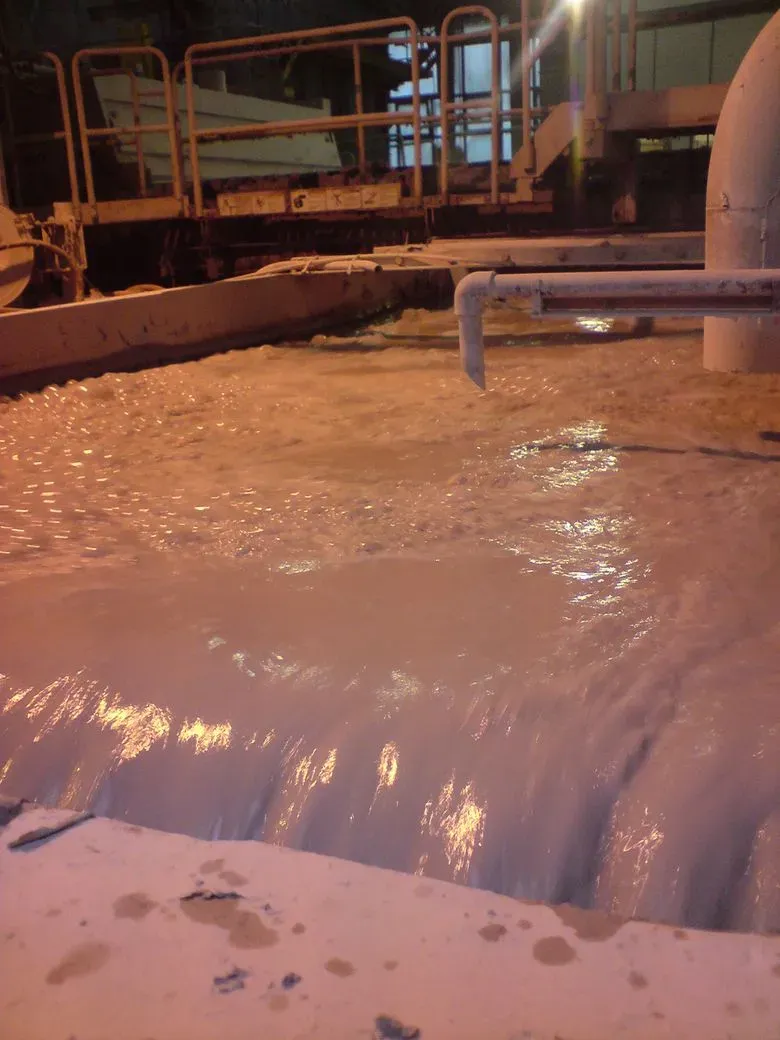
Influent Load
Measurement of drain solids levels and the prevention of losses at source. Water recovery processes within the mill building remove solids (screens and air flotation devices) The measurement of changing loads to the effluent primary clarifier allows technical personnel to respond using treatment routines.
Effluent Treatment
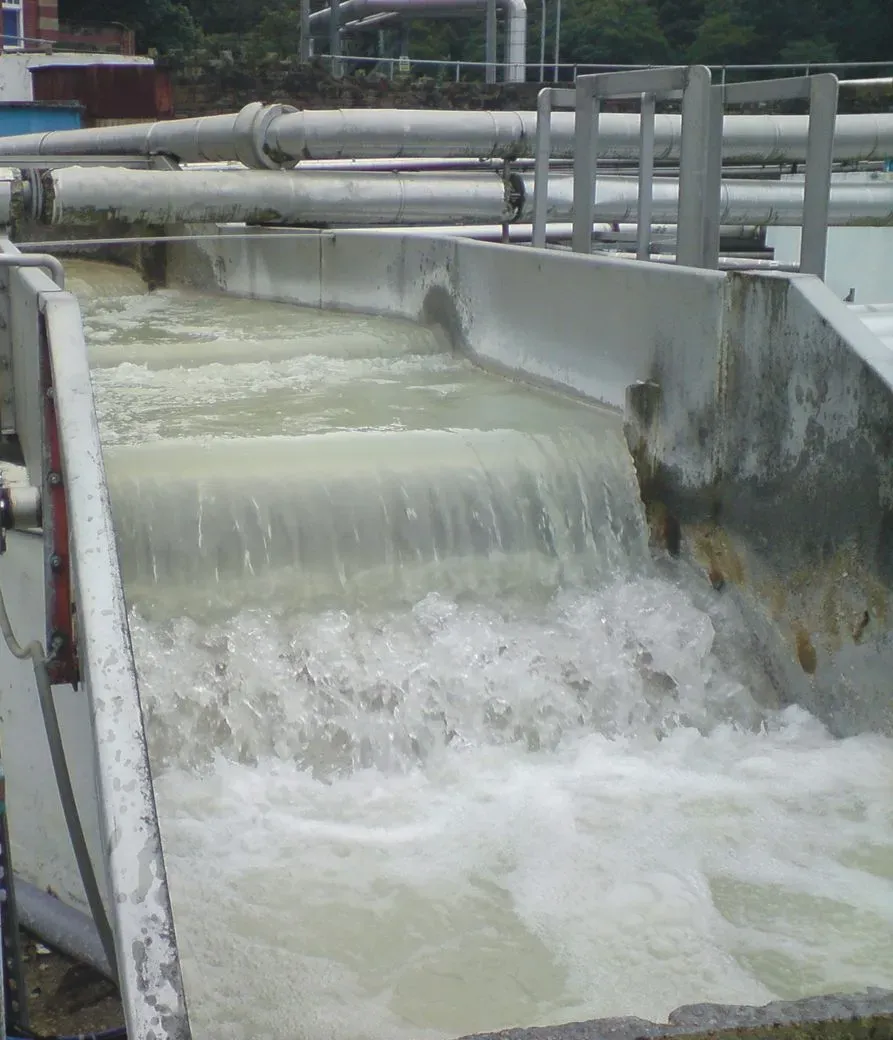
For Aerobic and/or Anaerobic treatment processes the water is monitored to determine the correct treatment. Polymers (single or multi additives) can be regulated to remove solids to and across clarification before discharge to sewer or the river.
Environmental
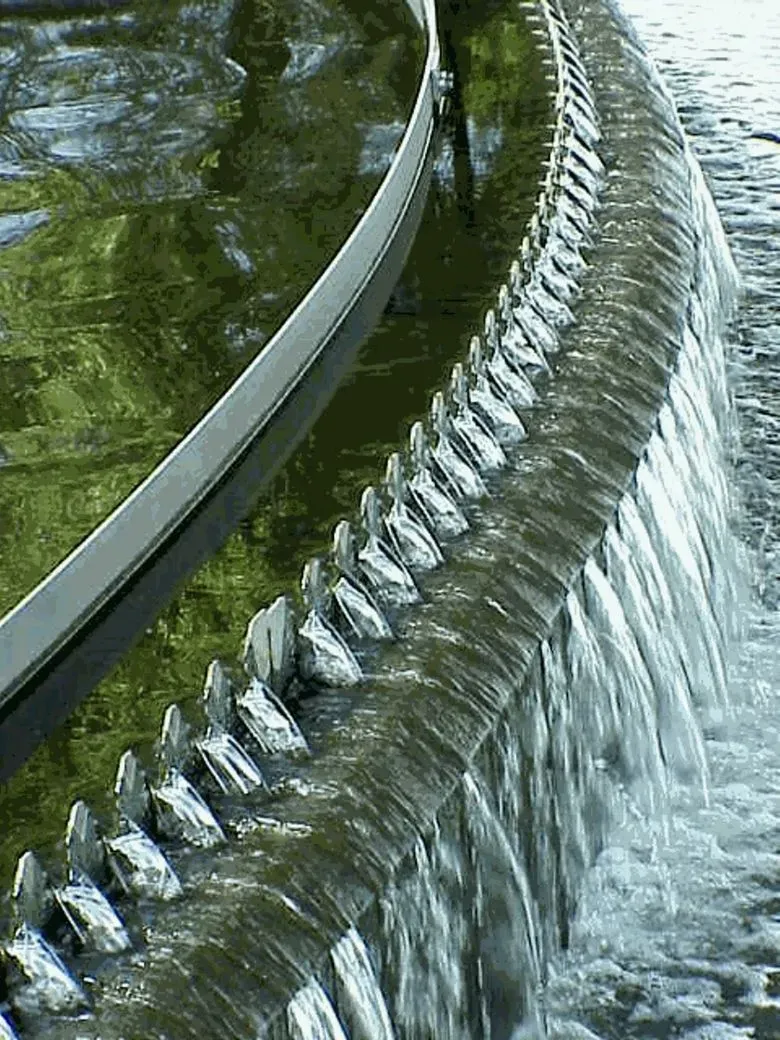
Effluent outflow at low and ultra-low total solids levels. At this location auto-cleaning is essential to prevent dirt build-up. An early indication of increasing solids levels allows technical staff to respond to a disturbance.