PROJECT LIFE CYCLE
"Projects don't fail; people do."
The Planning Fallacy (Kahneman & Tversky, 1979): People systematically underestimate how long tasks take, even when they know similar tasks took longer in the past. Solution: use historical data, three-point estimating, and external review of estimates.
1 - Initiation
Good projects are born from clear thinking. Initiation is where you define what you're doing, why it matters, who's involved, and whether it's worth doing at all. Rushing this phase is the single greatest predictor of project failure.
The Business Case
Every project needs a business case, even informal ones. For charities, this is your case for funders, trustees, and volunteers. For SMEs, it's your case to yourself, your bank, or your team.
What goes in a Business Case?
Strategic Alignment
Why does this project support our mission or business goals?
Options Analysis
What are the alternatives? (Including "do nothing")
Benefits Realisation
What tangible and intangible benefits will be delivered?
Cost-Benefit Analysis
Does the benefit outweigh the cost and risk?
Risks & Assumptions
What must be true for this project to succeed?
Setting SMART Objectives
S
Specific
What exactly will be delivered? Who will benefit? Avoid vague language like "improve our online presence."
✘ "Improve fundraising"
✔ "Raise €50,000 via online campaign by 31 Dec"
M
Measurable
How will you know you've succeeded? Define KPIs and metrics upfront. Doran (1981) first proposed SMART criteria and it is still the gold standard.
A
Achievable
Is this realistic given your resources, team, and time? Overly ambitious objectives destroy motivation and credibility.
R
Relevant
Does this align with your strategy, mission, or business plan? For charities: does it serve your charitable objects?
T
Time-bound
Every objective needs a deadline. Without one, urgency disappears and work expands to fill available time (Parkinson's Law, 1955).
Project Charter / Initiation Document
This document formally authorises your project and gives the PM authority to use resources. Even a one-page version makes a huge difference. Key elements: Project name, sponsor, PM name, objectives, scope, key milestones, budget, risks, and sign-off.
2 - Planning
Planning is not bureaucracy it's thinking ahead so reality doesn't ambush you. A good plan doesn't predict the future; it gives you a baseline to measure against when things change (and they will).
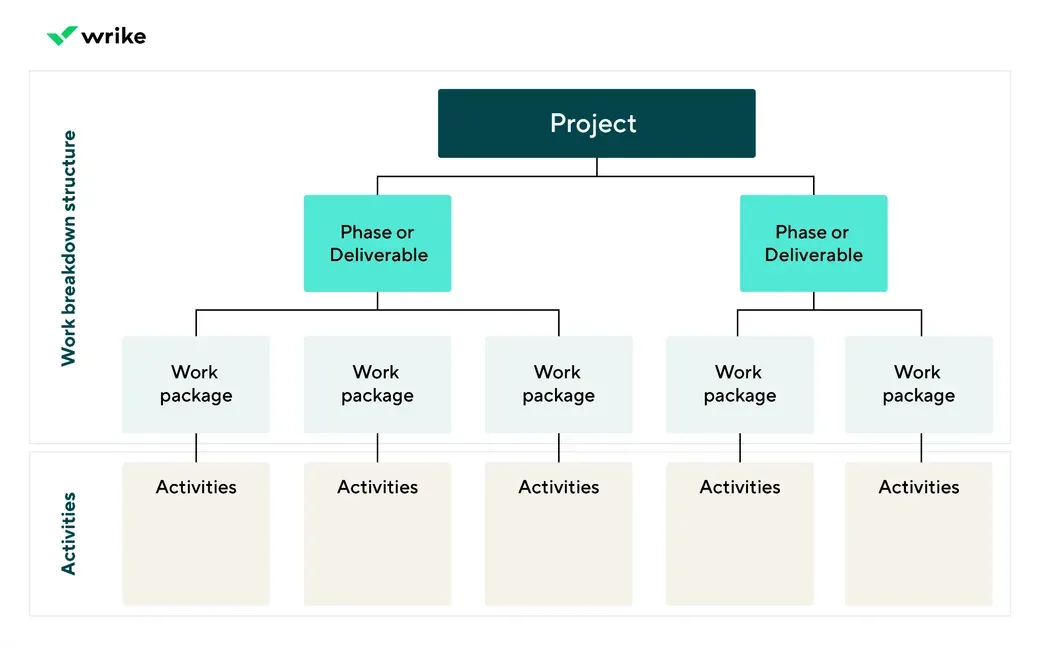
Work Breakdown Structure (WBS)
A WBS decomposes your project into manageable chunks. Start with the final deliverable, then break it into major phases, then into individual work packages. The rule of thumb: a work package should be completable in one reporting period (1–2 weeks for most SMEs).
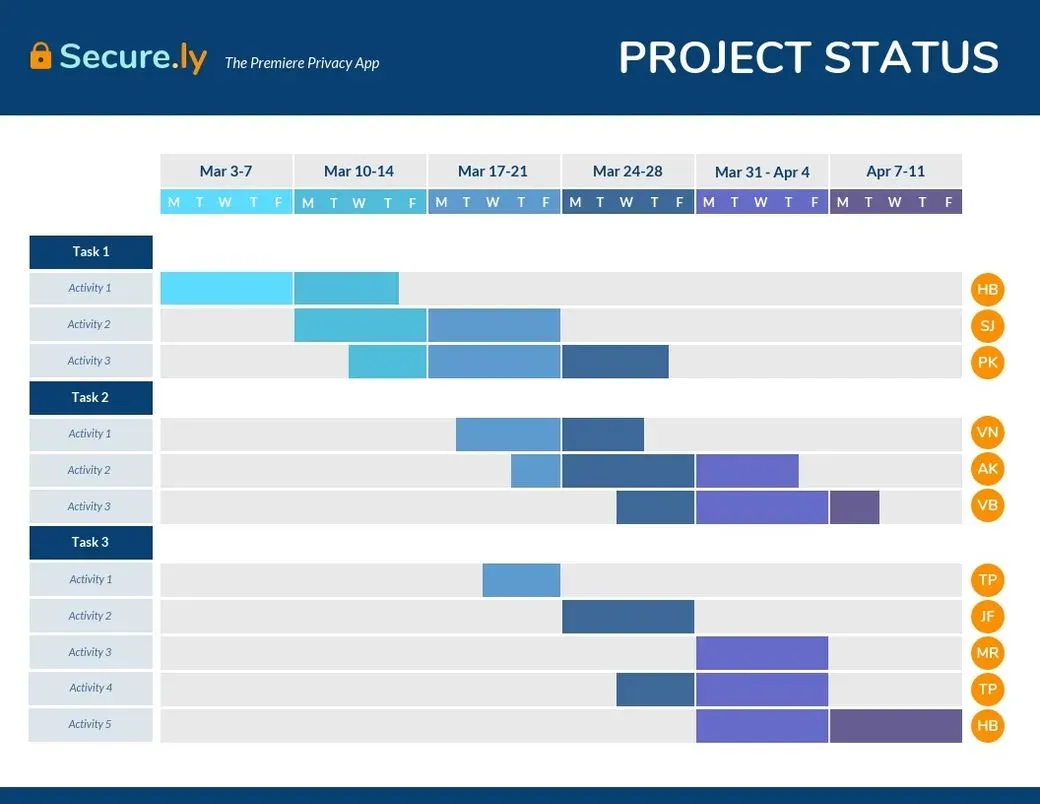
Gantt Chart Essentials
Gantt charts show tasks, durations, dependencies, and milestones on a timeline. Developed by Henry Gantt (1917), they remain the most widely used project scheduling tool. For small teams, a simple spreadsheet or free tool is sufficient.
Critical Path Method (CPM)
The critical path is the longest sequence of dependent tasks , it determines the minimum project duration. Any delay on the critical path delays the whole project. Tasks not on the critical path have "float" , they can slip without affecting the end date.
Simple CPM Example (Event Planning)
Book venue (2w) → Confirm catering (1w) → Print materials (1w) = 4 weeks (CRITICAL)
Book venue (2w) → Send invites (1w) = 3 weeks [1w float]
Design programme (1w) → Print programme (1w) = 2 weeks [2w float]
3 - Execution & Delivery
Execution is where the plan meets reality. Great execution requires clear task ownership, regular communication, proactive issue management, and the leadership skills to keep a diverse team motivated.
Running Effective Meetings
Poorly run meetings are one of the most expensive wastes in small organisations. A team of 5 in a 1-hour meeting costs 5 person-hours. Make every meeting count.
Daily Standup (15 mins)
Three questions for every team member:
What did I complete yesterday?
What will I complete today?
What's blocking me?
Stand up to keep it short. Critical for remote teams.
Weekly Progress Review (60 mins)
Review: milestone status (RAG), risks/issues update, budget tracking, decisions needed, actions from last week. Circulate agenda 24hrs in advance. Record decisions in writing — always.
Steering Group / Board Update (monthly)
One-page dashboard: schedule status, budget variance, top 3 risks, key decisions required. Boards and funders want clarity, not detail. Never use jargon in board reports.
Change Control Meeting (as needed)
Any request to change scope, cost, or timeline must go through a formal change request — even for small projects. Document it: what's changing, why, what's the impact, who approved. This protects you when stakeholders "remember" things differently.
RAG Status Reporting
Red/Amber/Green status indicators give boards and sponsors an instant view of project health. Simple, powerful, universally understood.
Green — On Track
Milestones on schedule, budget within 5%, no critical risks active.
Amber — At Risk
Slippage possible, budget 5–15% over, risk materialising. Mitigation plan in place.
Red — Critical Issue
Milestone missed, budget >15% over, critical risk active. Escalation required immediately.
Top Tip: Never stay Amber for more than 2 reporting cycles. Either fix the issue (go Green) or acknowledge you can't (go Red). Amber-washing — staying Amber indefinitely to avoid uncomfortable conversations — is a governance failure.
4 - Monitoring & Control
Monitoring is watching what's happening. Control is doing something about it when it's not going to plan. The discipline of monitoring is what separates projects that course-correct from those that discover they're derailed only at the end.
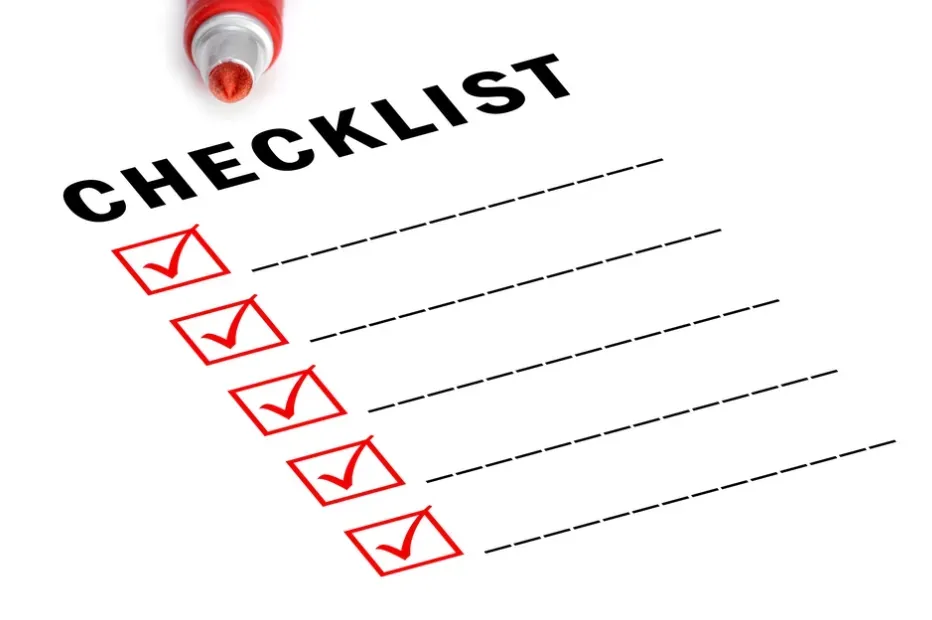
Project Health Self-Assessment
Use this checklist monthly to assess the health of any active project. Click items to mark them complete.
Project plan is current and reflects latest decisions
Risk register reviewed and updated this month
Budget tracked — no unauthorised overspends
Stakeholder update sent on schedule
All change requests formally documented and approved
Issues log is current, owners assigned, none overdue
Team morale checked — no signs of burnout or disengagement
Lessons learned documented from this period
5 - Project Closure & Lessons Learned
Closure is the most skipped phase in small organisation projects. Everyone moves on before documenting what happened, what worked, and what didn't. This is a costly mistake — the same problems recur in the next project.
The Closure Checklist
Formal Acceptance
Get written sign-off from the sponsor/client that deliverables are complete and accepted. No verbal "that's grand" — written confirmation only.
Benefits Realisation
Did you achieve what you set out to? Measure against your original objectives. Schedule a 3-month and 12-month post-project review.
Financial Close
Reconcile all costs, release any unspent contingency, submit final grant/funder reports. Archive all financial records (7 years for Irish tax purposes).
Lessons Learned
Conduct a structured retrospective. What should we: Start doing? Stop doing? Continue doing? Document and share — don't file and forget.
Celebrate
Acknowledge the team's contribution. Recognition costs nothing and matters enormously — especially for volunteers and charity staff.